

As an Amazon Associate I earn from qualifying purchases.
Medieval-inspired fashion works best when you dress the way medieval women actually did: in layers. A soft linen shift went next to the skin, a fitted gown went over it, a statement gown or surcoat could go over that, and a cloak or mantle went on top, all pulled together with a belt. This guide walks through those five layers one at a time and shows how each one turns into something you can wear now, with fabric, fit and care notes for every layer. October is the right month for it. The weather finally suits velvet and wool, and a Halloween party or a Renaissance faire weekend is the perfect place to test a look you will keep wearing long after.
Links marked (paid link) are affiliate links. The pictures are styling inspiration, so search results will vary.
How Medieval-Inspired Fashion Was Layered
The Middle Ages ran for roughly a thousand years, so there was never one medieval look. A few habits held steady across much of Europe, though, and they are the ones worth borrowing:
- The chemise or smock was a linen underlayer worn next to the skin. It was the layer that got washed most often, because it protected the wool outer clothes from sweat and wear.
- The kirtle was the fitted gown worn over the chemise. It was often laced at the front, side or back to give a close fit through the body.
- The over-gown or surcoat went on top for warmth, status or both. Later styles include the sideless surcoat of the 1300s, with deep armholes that showed the kirtle beneath, and the houppelande of the late 1300s and 1400s, a full gown with wide sleeves that women belted high under the bust.
- The mantle or cloak was the outdoor layer, fastened at the chest with a brooch, clasp or cord.
- The girdle was a belt, worn at the waist or hips, that could carry a pouch, keys or a small knife. Many women also covered their hair with veils or hoods.
Wool and linen were the everyday fabrics. Silk, velvet and brocade were luxury goods for the wealthy, and fur linings and trims marked status. That is why the modern queen version leans on velvet and faux fur: they read as rich at a glance. Two honest notes before we start. Boned corsets and high ruffled collars belong to later centuries, not the Middle Ages, so they are Renaissance faire favorites rather than true medieval pieces. Both appear below because they look good with medieval layers, and they are labeled for what they are.
Layer 1: The Chemise, Your Soft Base
Then: a plain linen shift, loose and long, with sleeves to the wrist.
Now: a peasant blouse, a high-collared blouse or an embroidered top. It is the easiest medieval piece to wear on a Tuesday, because it is just a good blouse.
The Embroidered Peasant Blouse
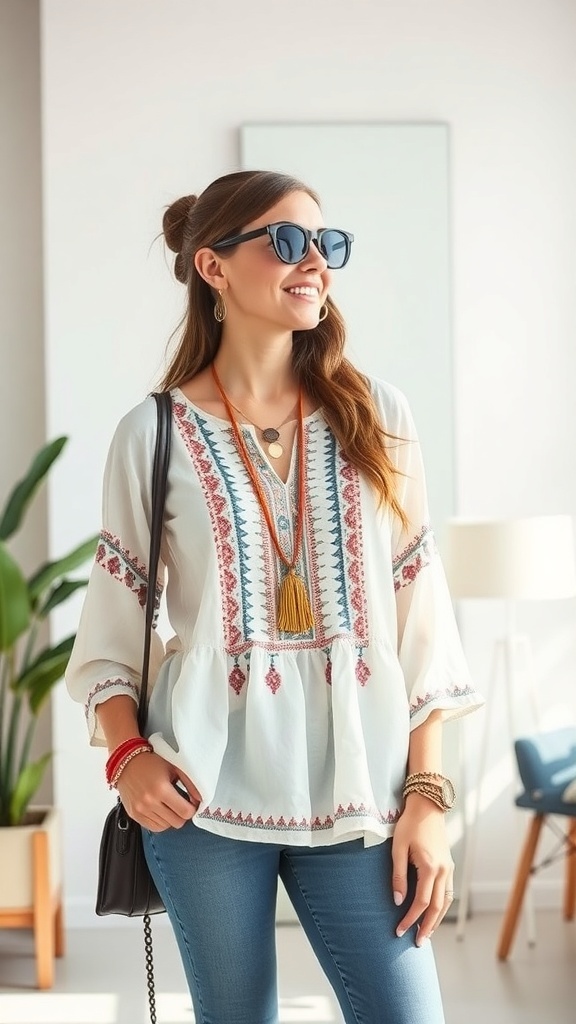
A white peasant blouse with folk embroidery and jeans is medieval-inspired fashion at its most relaxed. The gathered neckline and full sleeves come straight from the shift. Try linen peasant blouses (paid link) in a gauze or linen weave, and save cotton Renaissance chemises (paid link) with drawstring necklines for costumes.
Embroidery Up Front
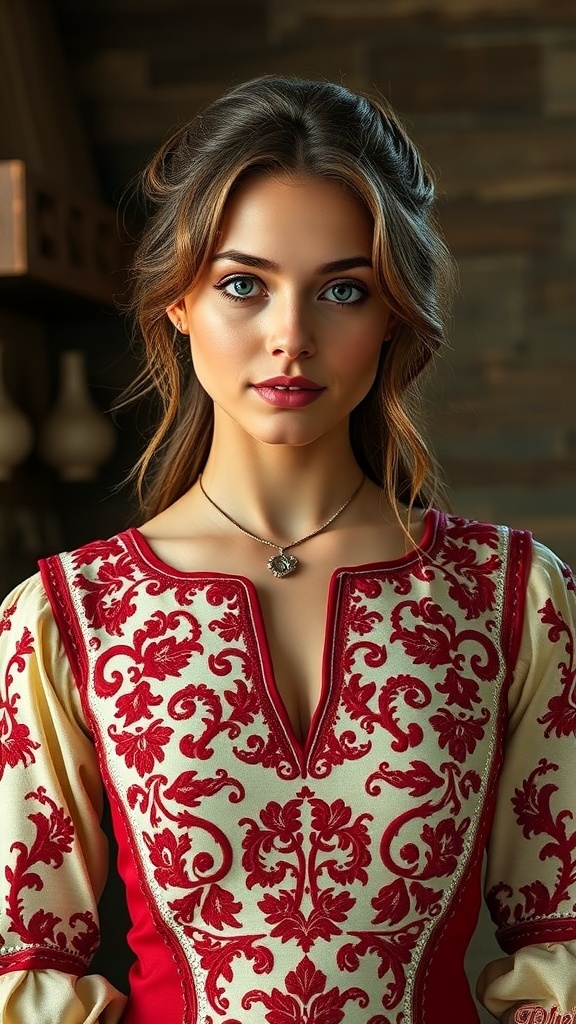
Dense red embroidery on cream gives the look of a precious underlayer meant to be seen. Wear it alone with dark trousers, or let it peek out from under a sleeveless velvet layer.
The High Ruffled Collar
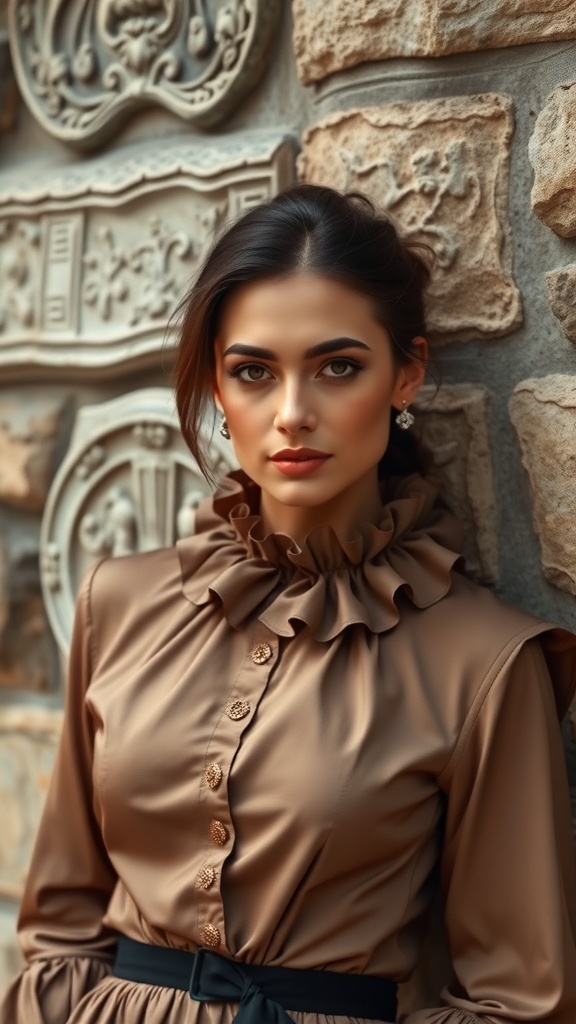
Ruffs and ruffled collars are 1500s fashion, so this is Tudor more than medieval. It still pairs well with a long skirt and a cloak, and the satin makes it an evening option.
- Fabric: Linen, cotton gauze or cotton voile next to the skin. Satin for evening.
- Fit check: Shoulder seams can drop a little, but the neckline should not slide off when you lift your arms. Sleeves should reach your wrist without bunching under a jacket.
- Care: Linen and cotton machine wash warm and iron while damp. Hand wash satin cool and hang to dry.
- Wear it: Alone with jeans on weekends, under a pinafore or velvet vest for work, and as the base of every costume below.
Layer 2: The Kirtle, the Fitted Dress
Then: a close-fitting gown worn over the chemise, laced for shape and cut long.
Now: a fitted bodice with a long skirt, a laced vest, a wrap dress or a simple long dress. This is where the silhouette comes from.
The Bodice and Tiered Skirt
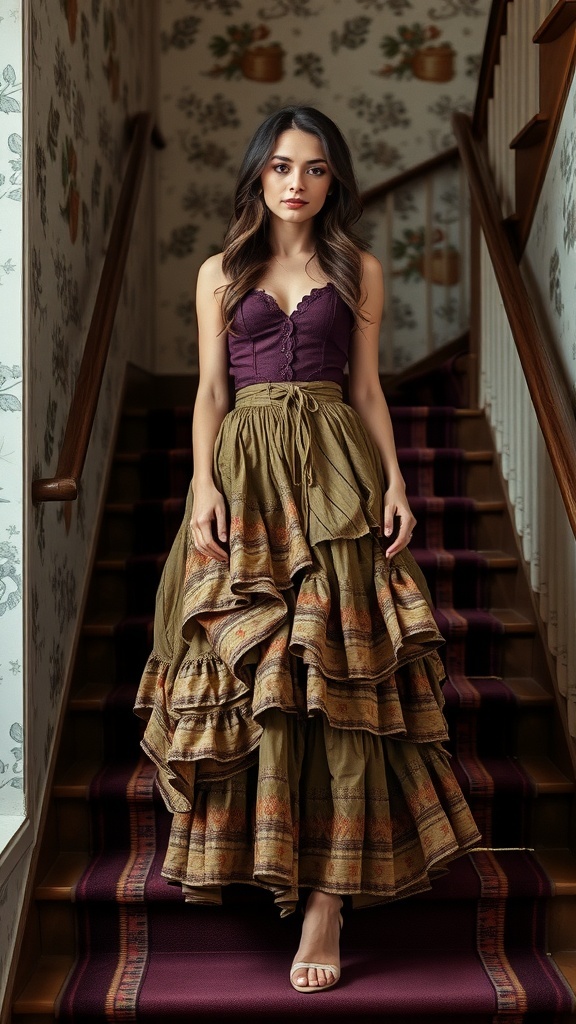
A sleeveless plum bodice over a full tiered skirt is the kirtle split into two pieces. tiered maxi skirts (paid link) in a heavier cotton or rayon swing better and are easier to sit in than one long gown.
The Everyday Peasant Skirt

A dark floral midi with a cardigan and sneakers is the kirtle skirt for a weekday. Swap the sneakers for boots and add a shawl when the weather turns.
The Lace-Up Corset Top
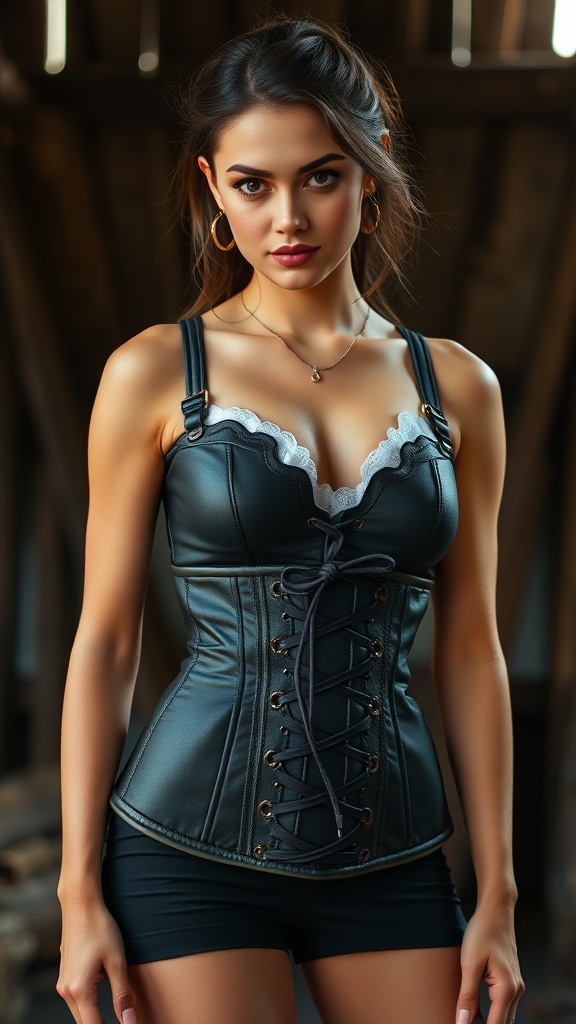
Here is the Renaissance faire twist. True medieval shape came from a laced kirtle, not boning, but a corset top over a chemise is the look most faire-goers recognize. lace-up bodice vests (paid link) are the gentler version and fit over a blouse.
The Modern Kirtle Coat-Dress
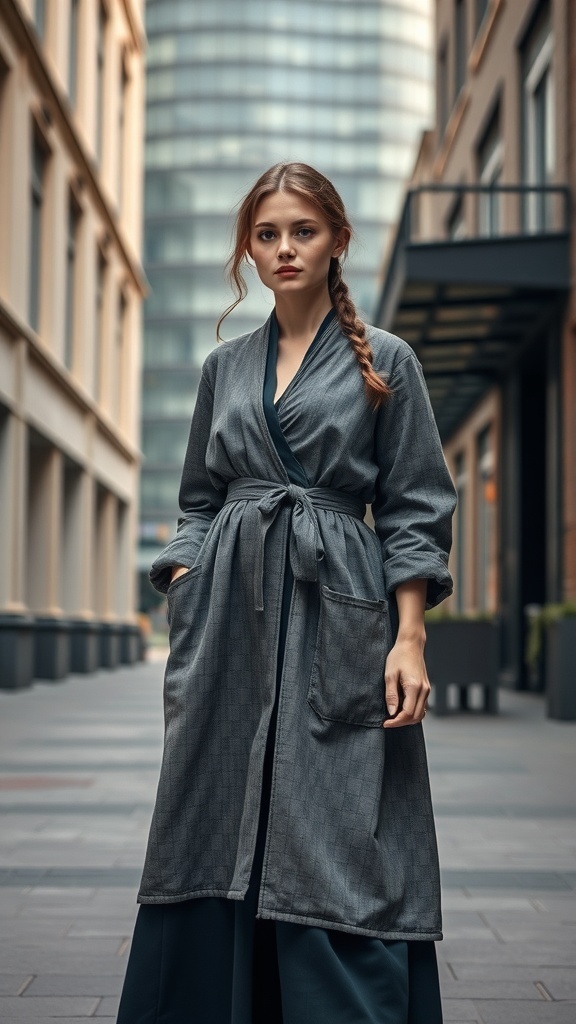
A gray wrap tied at the waist over a long dark skirt keeps the long kirtle line while working on a city street.
The Long Tunic Dress
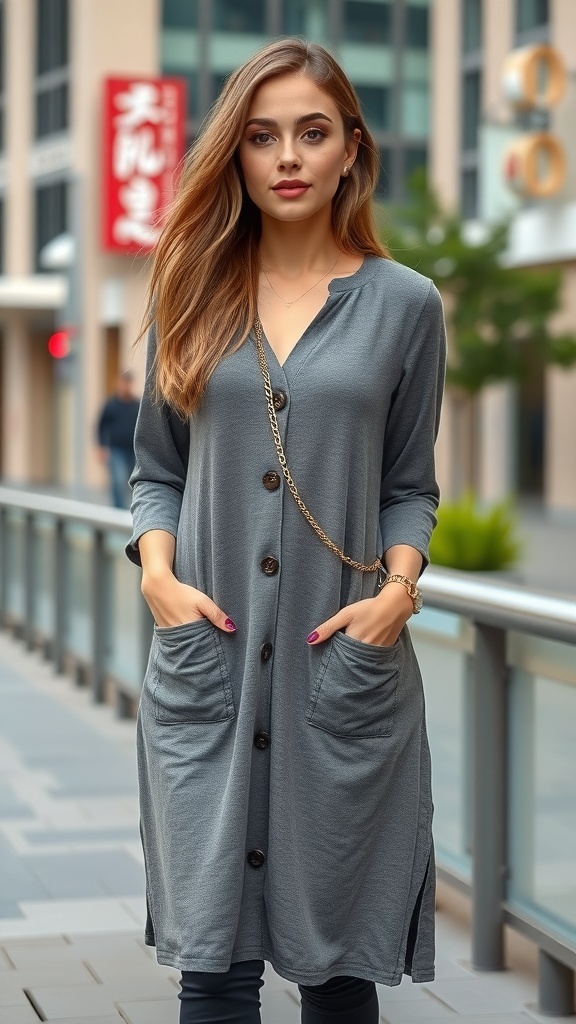
A long button-front tunic with deep pockets gets at the plain everyday kirtle. Add a belt and boots and it moves from office to faire.
The Belted Wrap Dress
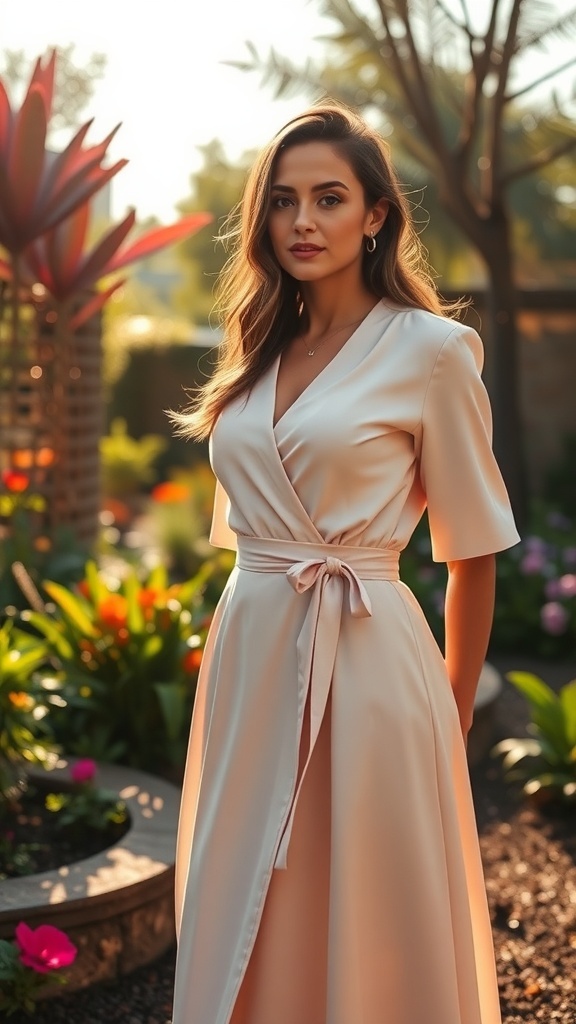
A wrap dress shapes the body the way lacing does, and you can adjust it as you go. Blush satin suits a daytime wedding.
The Simple Ankle-Length Dress

Long, plain and gathered at the waist: a navy dress like this is a blank kirtle. Layer a cloak and belt over it and it is a costume. Take them off and it is a dress.
The Garden Print Dress

Flowers were a favorite motif in medieval art and textiles. A rose print makes the kirtle summery, and a cardigan or shawl carries it into fall.
Renaissance Patterns, Modern Cut
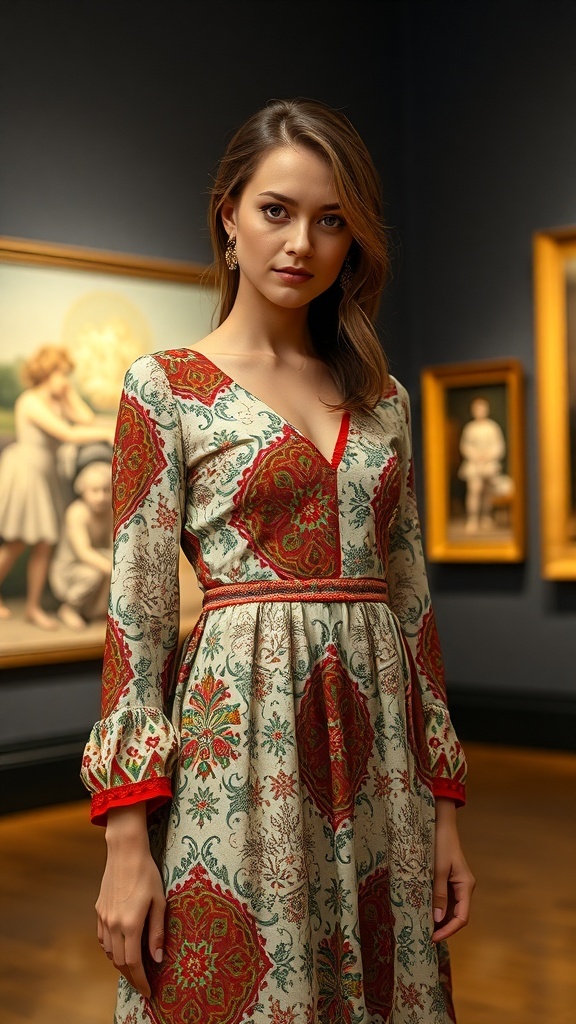
Pomegranate and floral patterns appear in rich Italian textiles of the 1400s and 1500s. A printed long-sleeve dress is the wearable echo, and the red waistband gives it the belted line of a medieval gown.
- Fabric: Cotton twill, linen, rayon or a stretch knit for everyday. Satin or velvet for evening.
- Fit check: This layer should be close through the body but let you breathe, sit and lift your arms. Lacing or ties should meet without gaping. For long skirts, the hem should clear the floor in your actual shoes.
- Care: Wash cotton and rayon cool and hang dry so long skirts do not shrink. Loosen laces fully before washing and store corset tops flat.
- Wear it: Wrap and tunic dresses for work, bodice and skirt for parties, the plain long dress as the base for costumes.
Layer 3: The Gown or Surcoat, the Statement
Then: an over-gown, surcoat or houppelande worn over the kirtle, often in the richest fabric a woman owned.
Now: the velvet gown, the dramatic robe or the event dress. This is the layer people remember, so it is where you spend.
Velvet with a Back Bow
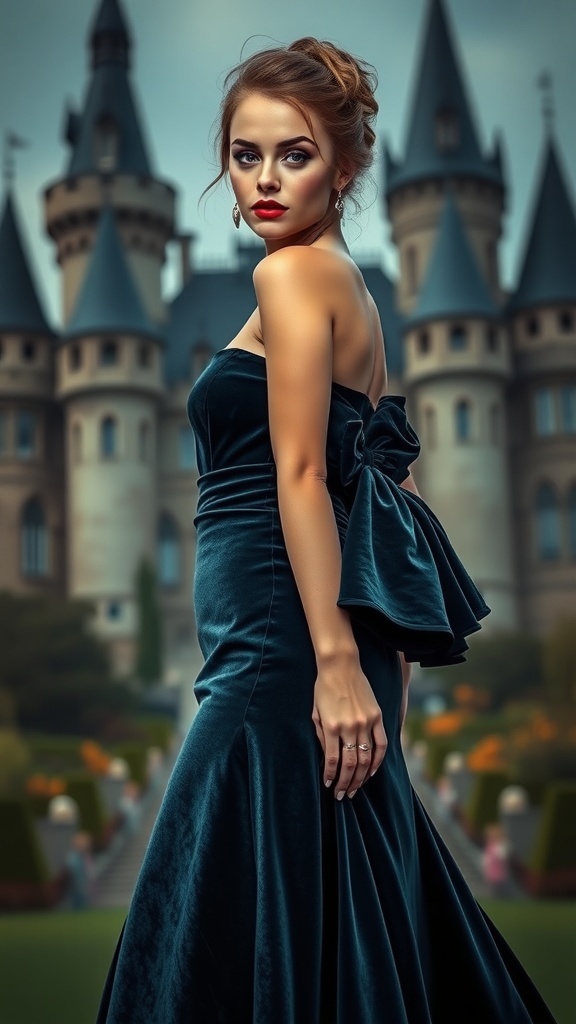
Deep teal velvet with a sculpted bow at the back has the weight and color of a royal gown with a modern neckline. long-sleeve velvet maxi dresses (paid link) with full sleeves are warmer and closer to the medieval cut.
The Draped Two-Tone Gown
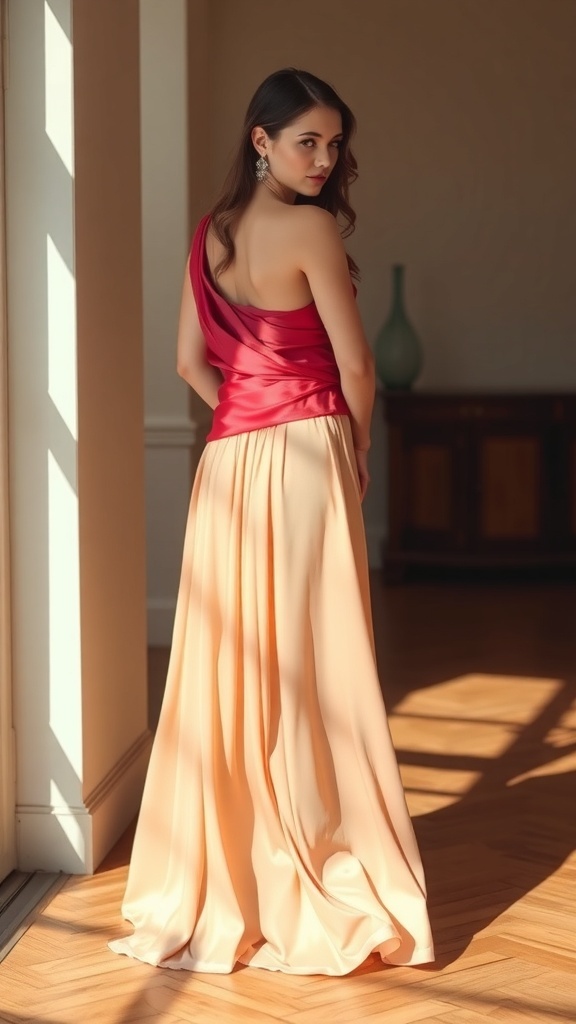
Red over cream mimics a contrasting outer layer over a pale underlayer. The drape does the work, so keep jewelry small.
The Houppelande-Style Robe
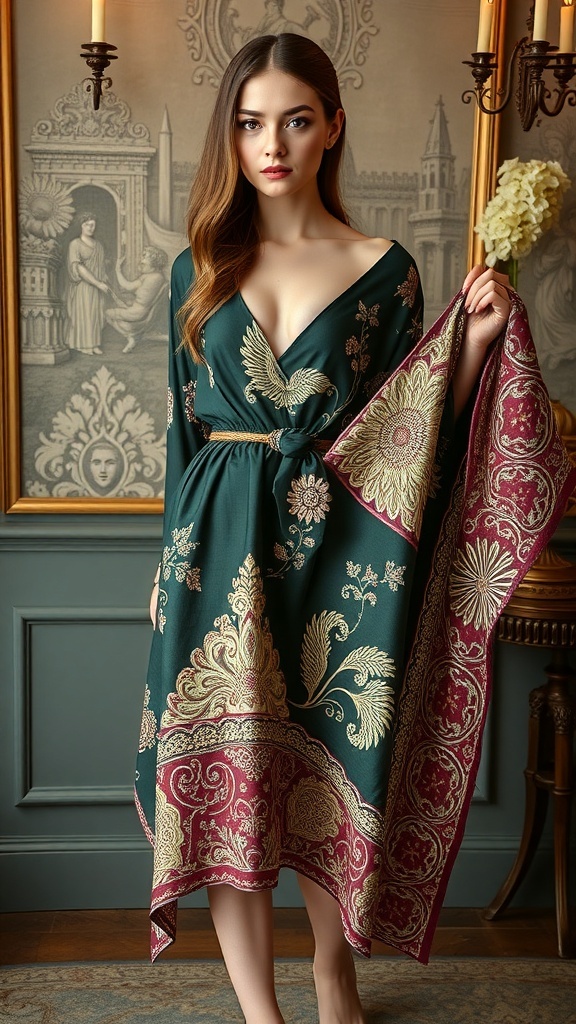
Wide sleeves, rich print and a high sash: this robe dress is the closest image here to a houppelande. Wear it open over a slip dress or belted as a gown.
The Tulle Overlay
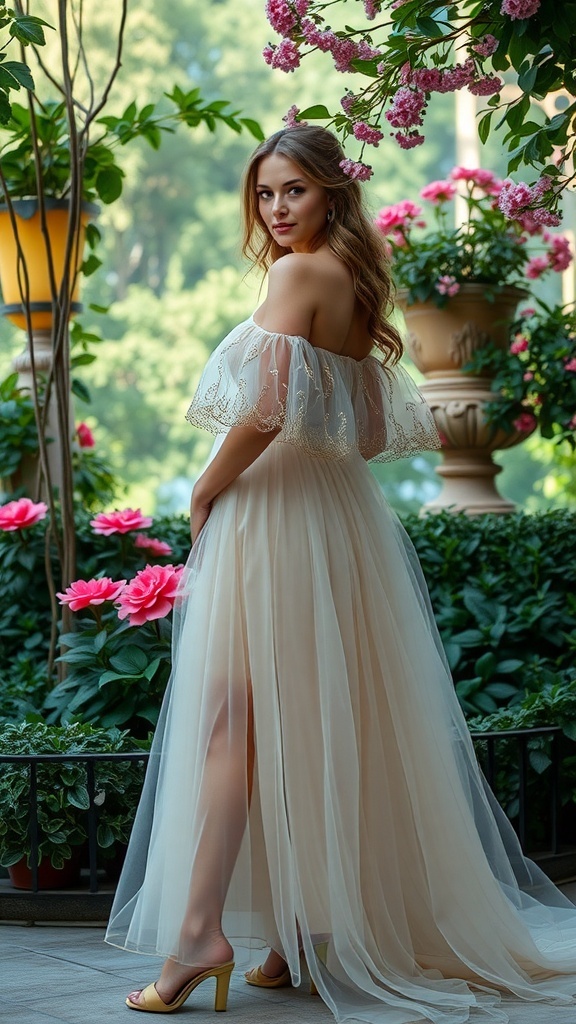
Sheer tulle over a slip gives a soft, layered effect. It is a wedding or garden-party gown rather than an October one, unless you add a cloak.
The Romantic Ball Gown
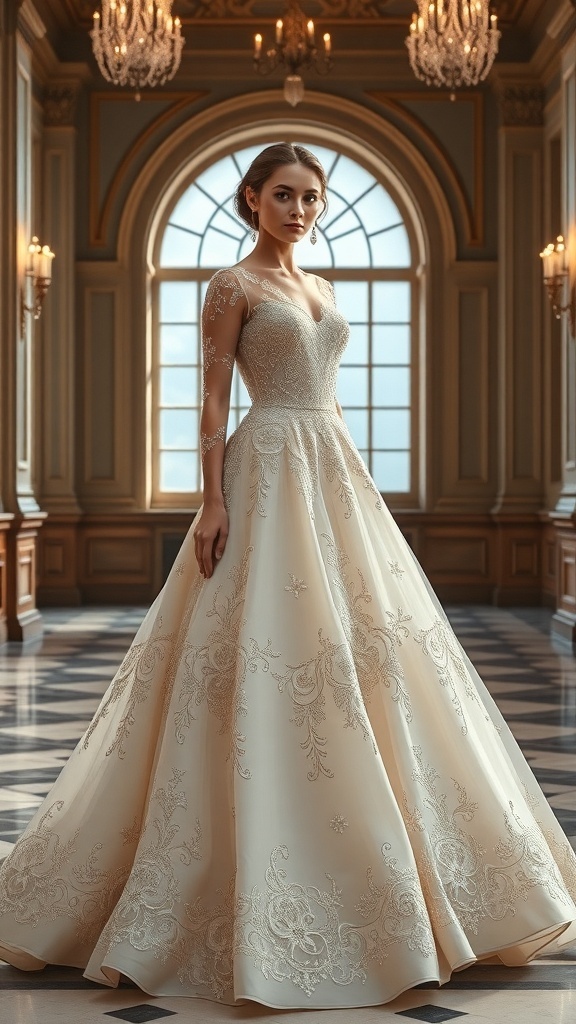
A full embroidered skirt with lace sleeves is the fairy-tale princess end of the scale. It suits weddings and formal galas, and it photographs beautifully.
The Sculptural Satin Gown
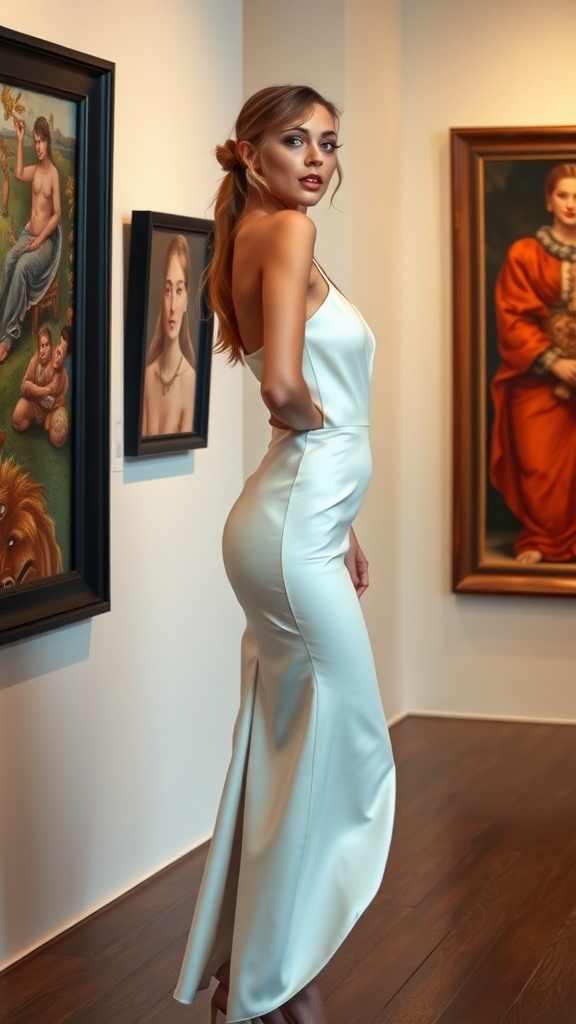
A bias-cut satin column with an open back is pure modern glamour. The long, unbroken line echoes the long gowns in the portraits behind her.
The Dark Queen
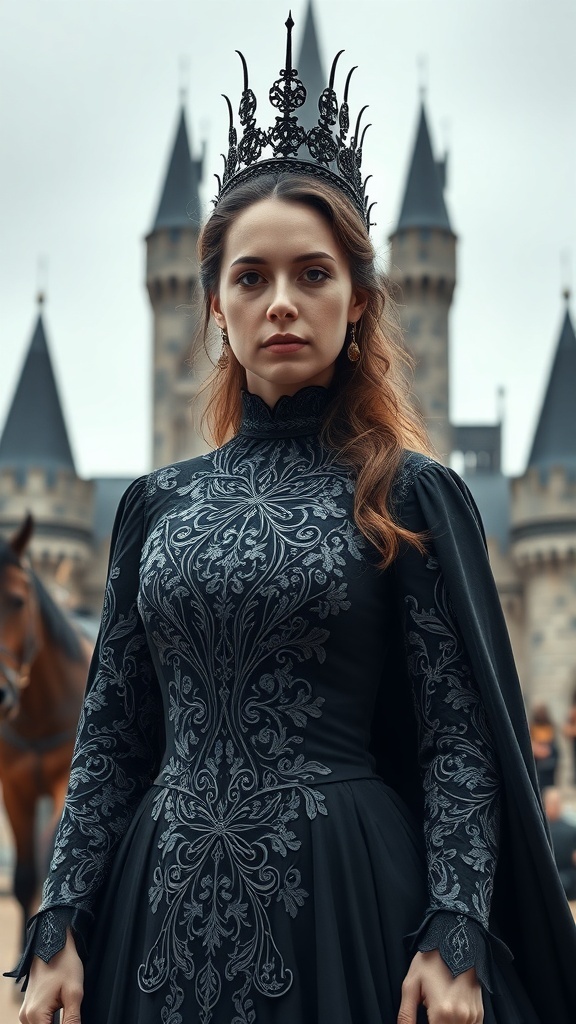
Black on black, with a high neck, embroidery and a spiked crown. This is the Halloween queen, and with the crown off it is a dramatic winter evening gown.
- Fabric: Velvet, satin, brocade and tulle. Cotton or stretch velvet is easier to care for than silk velvet.
- Fit check: Try a gown on over the layer you will wear under it. Check the shoulders, the sit test and the stair test: if you cannot climb steps without holding the skirt, have the hem taken up.
- Care: Velvet: steam from the inside, never press flat, and hang so the pile is not crushed. Satin: cool hand wash or dry clean. Tulle: steam on low from a distance.
- Wear it: Formal parties, winter weddings, Halloween, and holiday events from Thanksgiving to New Year’s Eve.
Layer 4: The Mantle and Cloak, the Weather Layer
Then: a semicircular or full-circle mantle or a hooded cloak, usually wool, fastened at the chest.
Now: capes, cape coats, wraps, shawls and fur-collared coats. In October this is the most useful layer of all.
The Burgundy Velvet Cape
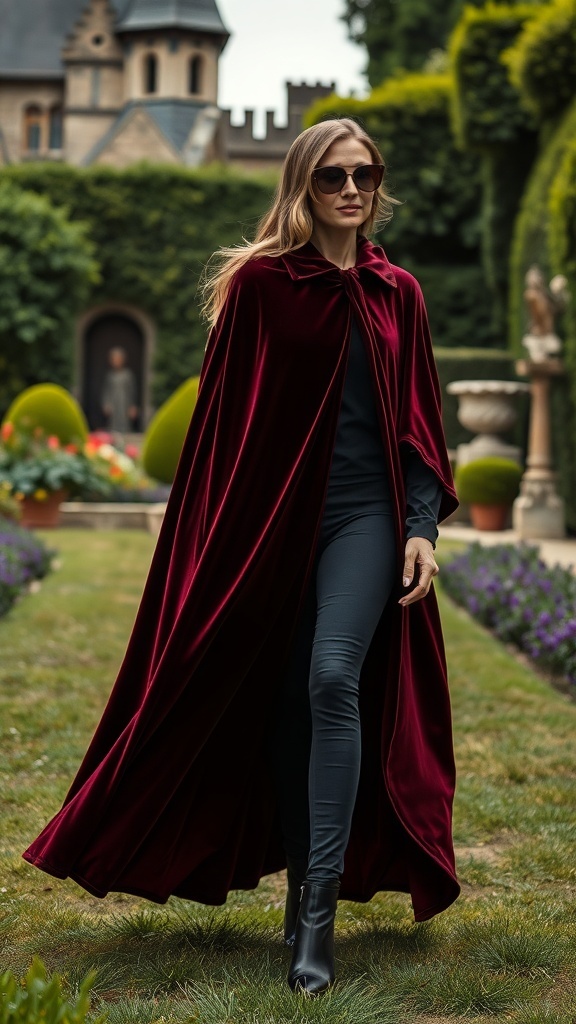
Floor-length velvet over black leggings is medieval-inspired fashion in its most wearable form. velvet hooded cloaks (paid link) make an instant costume for Halloween night, and the hood keeps the drizzle off.
The Flowing Chiffon Cape
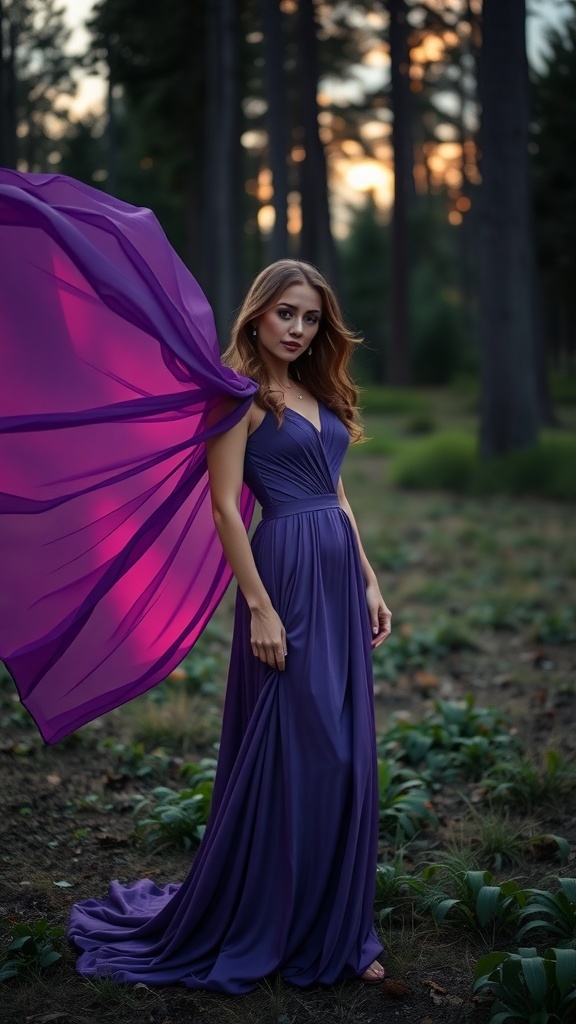
A sheer cape attached at the shoulders is for drama and photos rather than warmth. Use one for an evening gown, a faire costume or a photo shoot.
The Embellished Hood
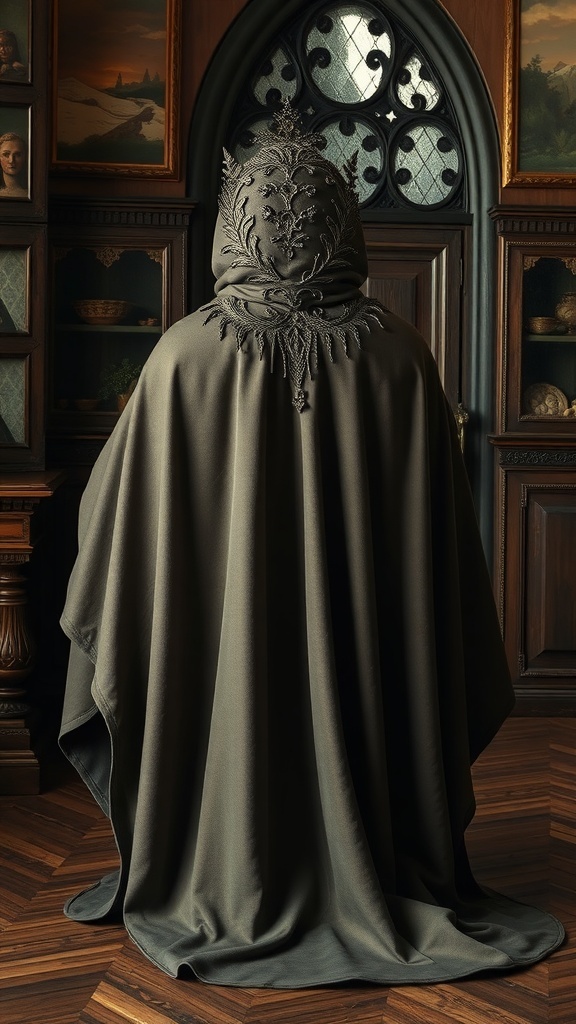
An embroidered hood turns a plain cape into a statement. For daily wear, pick a cape in a neutral wool and keep the decoration on the hood or edges.
The Buckled Hooded Cloak
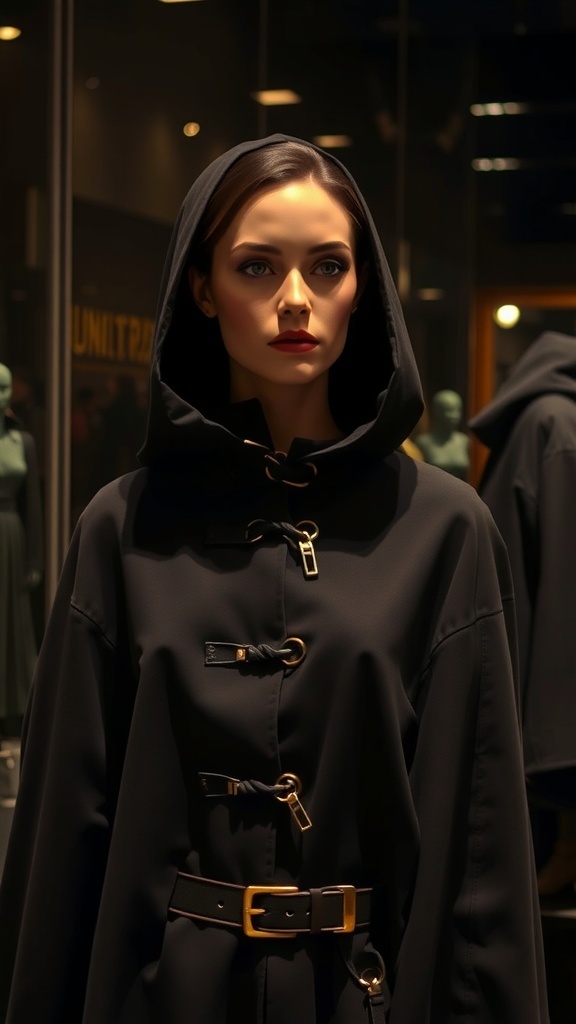
Brass buckles down the front are a smart update on the medieval brooch. A buckled cloak stays closed in wind, which a single clasp does not. cloak clasps (paid link) can replace weak hooks on a cloak you already own.
Faux Fur at the Collar
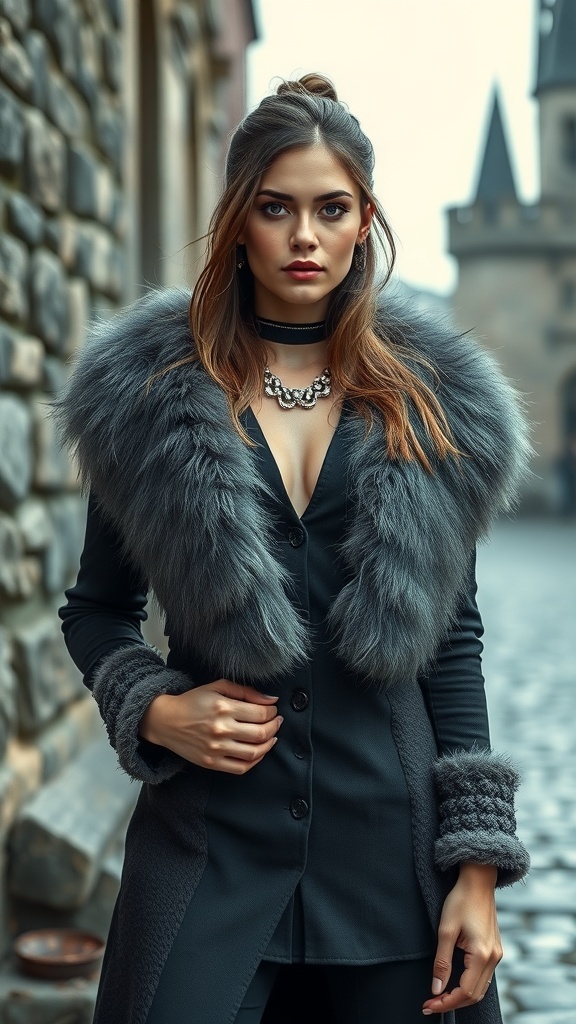
Fur trims marked status in medieval dress. A charcoal coat with a faux fur collar and cuffs gives the same signal without the expense, and it is the Game of Thrones Northern look in miniature. faux fur collar wraps (paid link) add the effect to any coat.
The Brocade Wrap
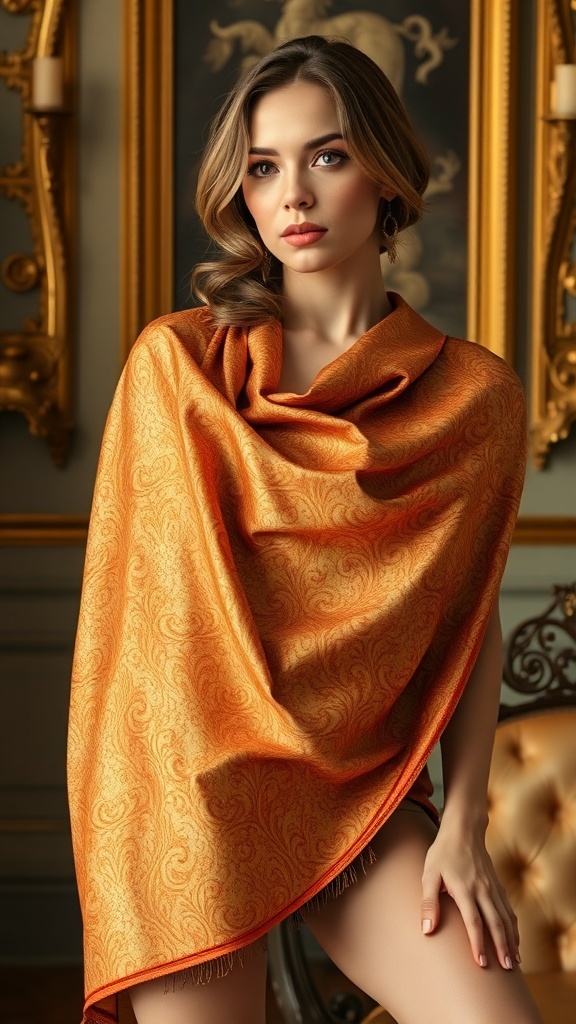
A brocade wrap is a cloak for indoor evenings. brocade shawl wraps (paid link) dress up a plain black dress for a dinner party.
The Fringed Wool Shawl
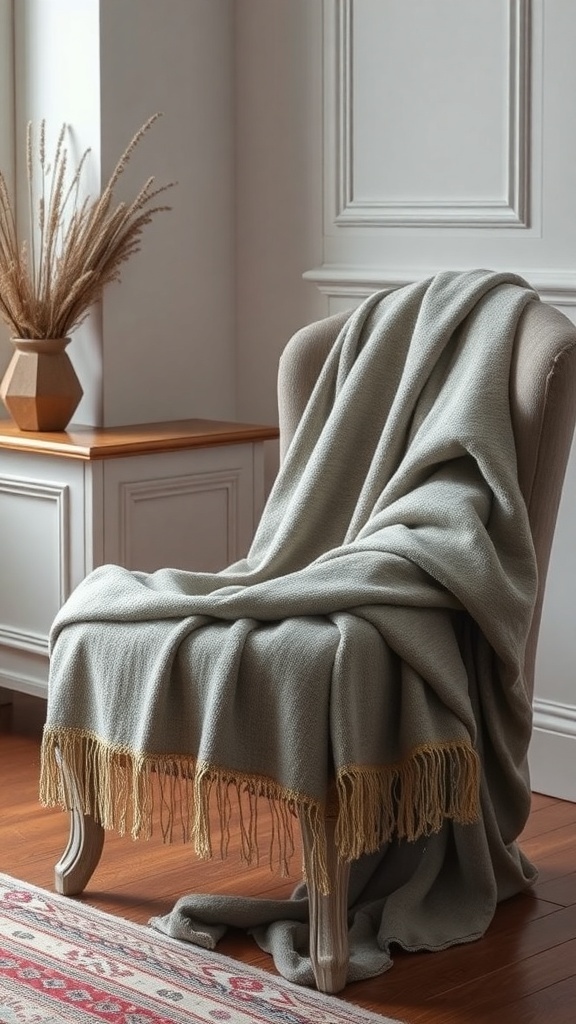
The plainest wrap here is the one you will use most. fringed wool shawls (paid link) in gray or oatmeal go over every layer above, and over a sofa between wears.
- Fabric: Wool, wool blends, velvet and faux fur for warmth. Chiffon for decoration only.
- Fit check: Try capes on over your thickest sweater. You should be able to cross your arms and reach forward. A cape coat should hit at least mid-thigh, and a full cloak should stop at the ankle so you do not step on it.
- Care: Brush wool after wearing and let it air before hanging. Spot clean, or dry clean once a season. Shake faux fur out, hand wash cold if the label allows, and never use a hot dryer.
- Wear it: wool cape coats (paid link) for the commute, a velvet cloak for evenings and costumes, a shawl for chilly offices.
Layer 5: The Girdle and Finishing Touches
Then: a belt at the waist or hips, gloves for those who could afford them, veils or hoods, and jewelry worn by the wealthy.
Now: belts, sashes, gloves, layered necklaces, hair pieces and good boots. These are the cheapest way to make any outfit read medieval.
The Jeweled Belt
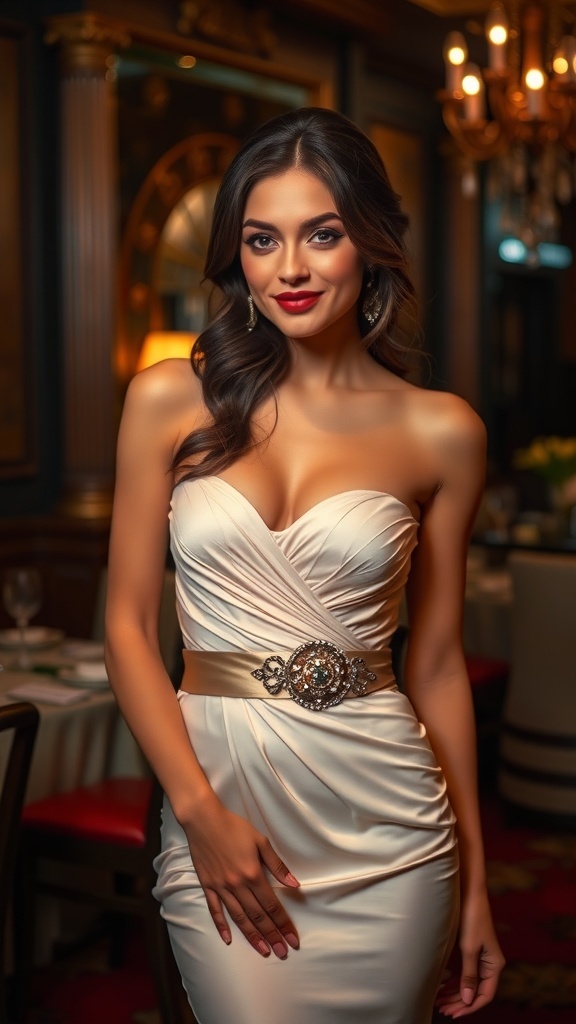
A jeweled belt on a plain satin dress is the girdle as jewelry. Wear it at the natural waist for evening, or low on the hips for a more medieval line.
The Belted Jumpsuit
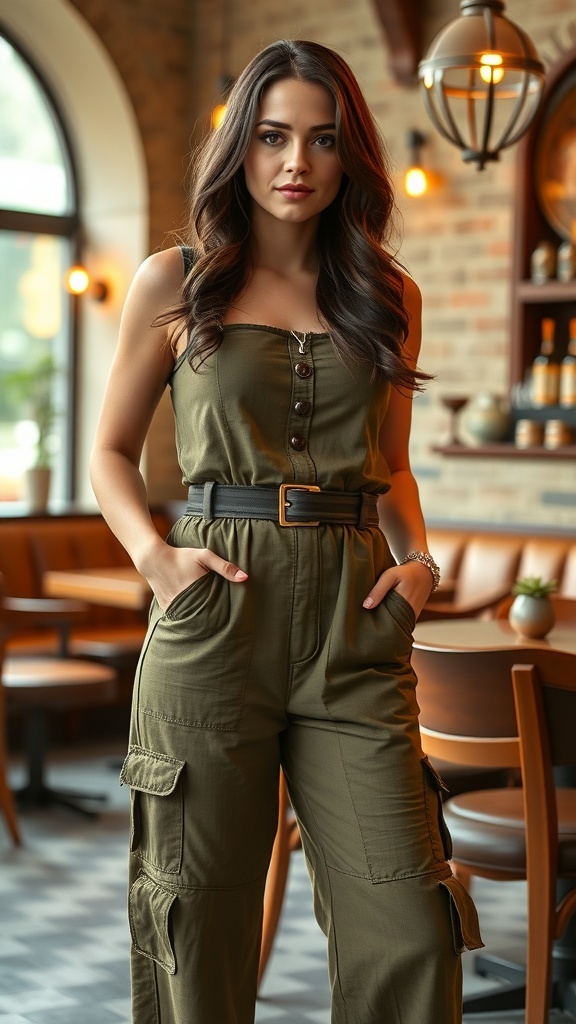
A wide belt gives the same shape to a utility jumpsuit. wide leather waist belts (paid link) carry everyday outfits too, and belt pouches (paid link) clip on for faire days, the way medieval women hung pouches from the girdle.
The Embroidered Glove
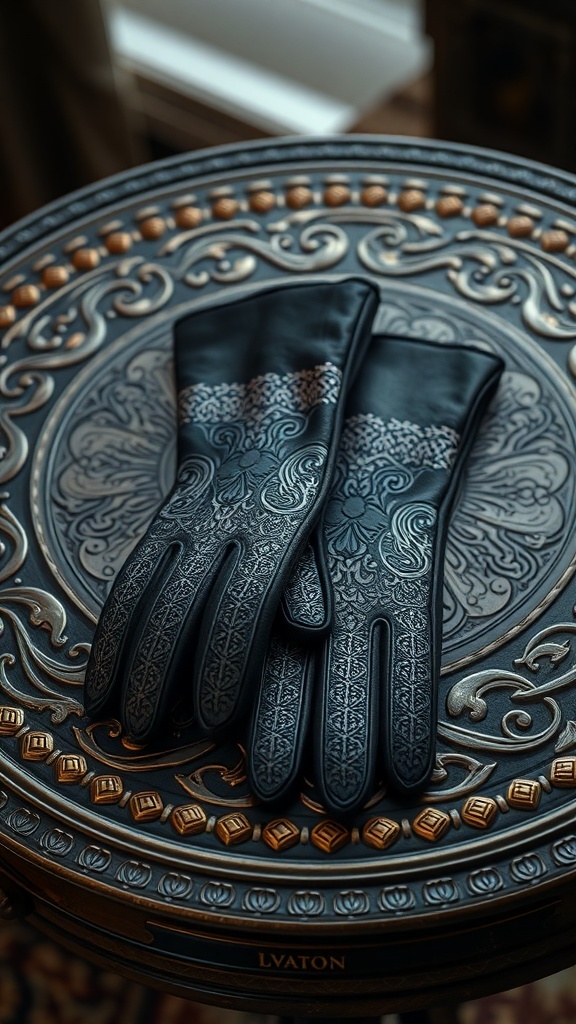
Embroidered glove cuffs are more Tudor than medieval, but they are the finishing touch that makes a cape look expensive. embroidered-cuff leather gloves (paid link) are useful all winter.
Statement Jewels
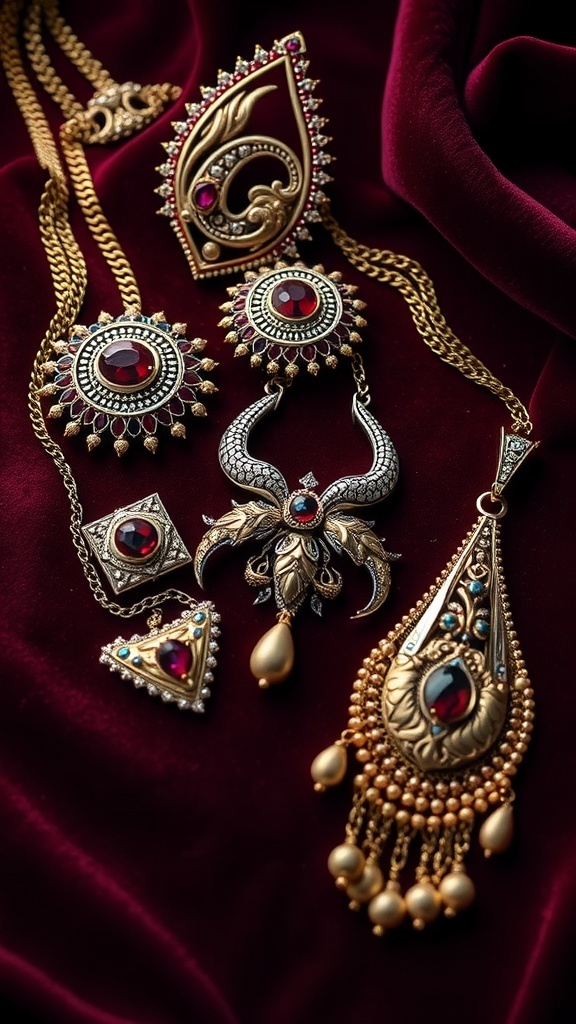
Gold with deep red stones gives a treasure-chest look. Choose one big pendant, not five, and let the velvet do the rest.
Layered Necklaces
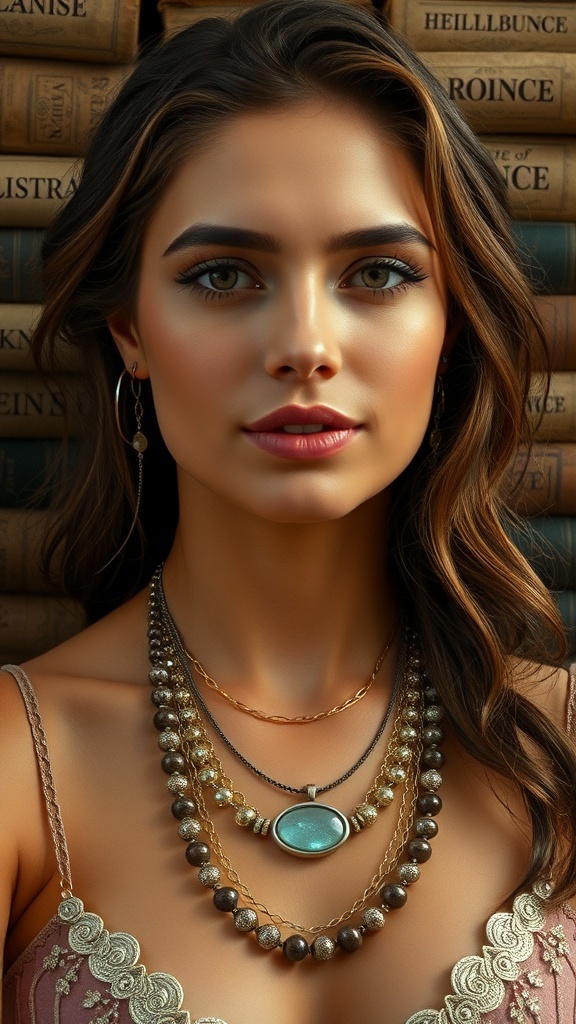
Stacked chains and beads work with a peasant blouse or a plain long dress. Keep the lengths staggered so they do not tangle.
The Printed Silk Scarf
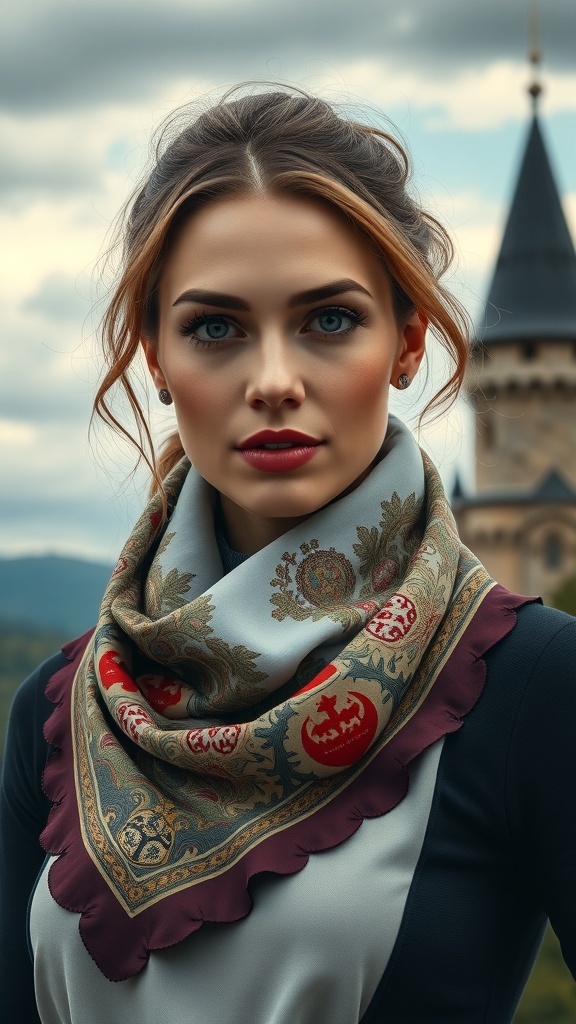
A crest-print scarf tied at the neck suggests a veil or wimple without covering your hair. It is the smallest medieval touch you can wear to the office.
The Jeweled Hair Comb
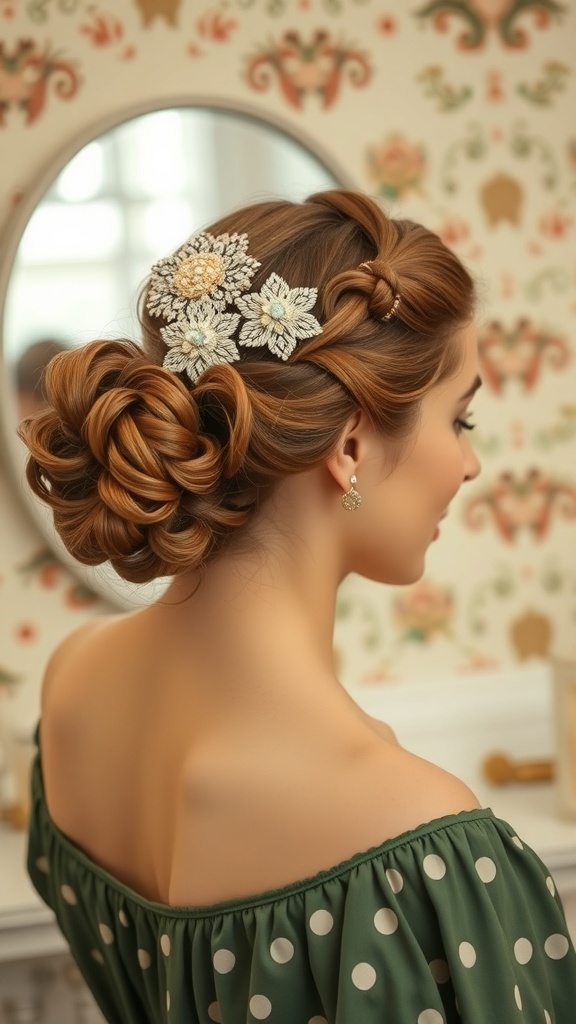
Braids pinned into a low updo with a jeweled clip suit a gown or a peasant blouse. A slim circlet works too.
Boots You Can Walk In
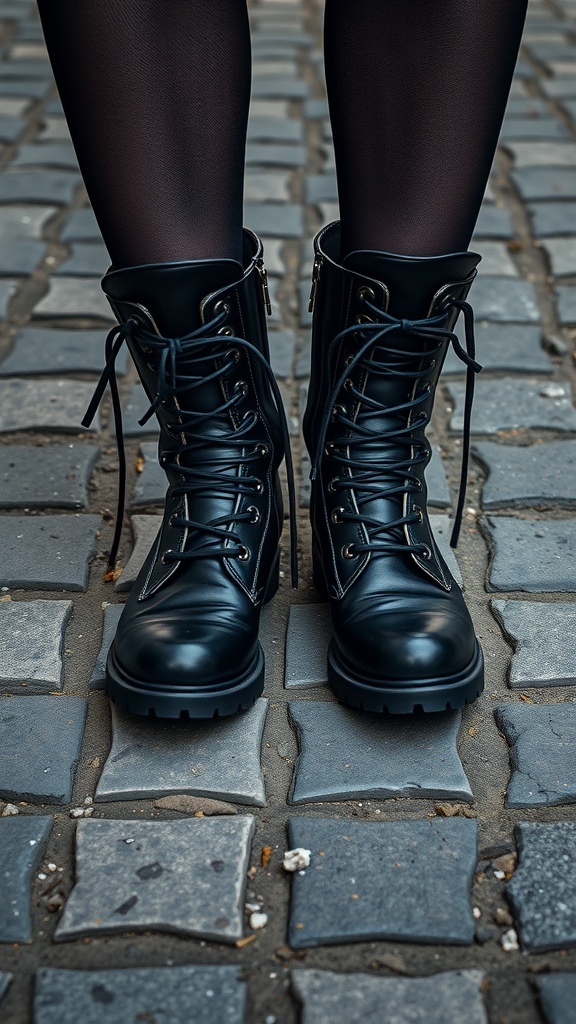
Long skirts need sturdy shoes underneath. lace-up combat boots (paid link) handle grass, gravel and a full day on your feet, and nobody sees them under a hem.
- Fabric: Leather, metal, silk and velvet ribbon.
- Fit check: A belt should sit flat without rolling. Try belts on over the layers you will wear them with, because a kirtle and a gown need a longer belt than a dress alone.
- Care: Condition leather belts and gloves once or twice a season. Wipe metal jewelry dry and store pieces separately so stones do not scratch. Hand wash silk scarves cool.
- Wear it: One finishing touch at a time for work, two or three for evening, and everything for Halloween.
Five Outfits From the Five Layers
- Office: long tunic dress, wide leather belt, faux fur collar coat, ankle boots.
- Weekend: peasant blouse, jeans, fringed wool shawl, layered necklaces.
- Dinner party: draped gown or velvet dress, brocade wrap, one statement pendant.
- Cold October walk: long knit dress, wool cape coat, gloves, combat boots.
- Winter wedding guest: tulle or satin gown, velvet cape, jeweled hair comb.
For more cold-weather ideas, see our outerwear inspired by the North in Game of Thrones and winter fashion looks inspired by the women of Westeros. If you want the long-skirt layer without a full gown, our pleated skirts inspired by the medieval era are a good place to start.
Turn the Layers Into a Halloween or Faire Costume You Will Keep
A costume built from real layers is warmer, more comfortable and more convincing than a bagged costume, and every piece goes back into your closet on November 1. Start with the plain long dress or a chemise and skirt, then add layers in this order:
- Base: a chemise or white peasant blouse under a long skirt or a plain ankle-length dress.
- Shape: a laced bodice vest or a wide belt at the waist.
- Statement: a velvet or brocade over-layer, or a velvet gown in place of the base.
- Weather: a hooded cloak, fastened with a clasp.
- Finish: a belt pouch, gloves, a circlet or jeweled comb, and boots.
Three looks to build from it:
- Lady of the castle: cream chemise, burgundy velvet gown or skirt, gold belt, velvet hooded cloak. Soft, warm and easy to sit in.
- Queen in the North: gray or charcoal long dress, wide leather belt, faux fur collar, wool cape coat and boots. Pure Game of Thrones winter, and every piece is wearable in January.
- Dark queen: black long dress, black velvet cloak, embroidered gloves and a black crown. Go black and red for a House of the Dragon party.
Faire-day survival: hem skirts to clear the ground in your boots, since fairgrounds mean grass and dust. Wear a breathable cotton or linen base so you can shed the cloak when the sun comes out. A belt pouch holds your phone and cards, and a wool cloak doubles as a picnic blanket. For finishing touches, see our hairstyles for the ladies of Westeros, Game of Thrones makeup looks and jewelry inspired by Game of Thrones cultures. For something darker, our Gotham dark glam Halloween costumes use the same layer-by-layer idea.
Hosting the party yourself? Our Gothic Halloween Party Kit has printable invitations and decor for a candlelit night, or get it with our family kit in the Halloween Party Bundle, and see more printable party kits in the Inspired Realms shop.
Fit and Care Rules for Long, Layered Clothes
- Fit from the inside out. Buy or alter each layer while wearing the one underneath it. A gown that fits over a slip may not fit over a blouse.
- Hem for your real shoes. Long skirts should clear the floor in the boots you will wear, or you will be holding the hem all night.
- Mind the shoulders. Shoulders are hard to alter on coats and capes. Get them right first, then adjust hems and sleeves.
- Steam, do not press, velvet. A handheld garment steamers (paid link) relaxes creases in velvet, satin and tulle without crushing the pile.
- Rest wool between wears. Brush it, let it air for a day, and hang it on a wide hanger. Moths like wool and stored, unwashed clothes, so clean before storing and use cedar blocks.
- Store capes hung or loosely folded. A tight fold leaves deep creases in velvet that are hard to remove.
Want more dress ideas from the same realm? Try our Game of Thrones evening dresses and Game of Thrones wedding dresses, and for the home to match, our medieval-inspired interiors for the modern home.
Disclaimer: This post is inspired by fictional universes and their characters. All related content remains the property of its rights holders. This fan-inspired content is for entertainment and commentary only and is not affiliated with or endorsed by HBO or any other rights holder. To explore the official series, visit HBO.
Want more from Inspired Realms? Stay in the fashion closet with 1920s Christmas party dresses, Gatsby cocktail dresses, sequin mini dresses, Roaring 20s party accessories, Star Wars wedding dresses, Gotham villain wedding dresses and 1960s men’s fashion basics, then plan the feast around Gothic dishes for a dark and decadent feast, gothic hors d’oeuvres, dark Halloween desserts, Gatsby dessert recipes, 1920s Christmas desserts, Gatsby-inspired entrees, Mad Men vintage appetizers, Roaring 20s punch, Star Wars dinner recipes, tiny Coruscant gala bites, Coruscant nightclub small plates and a drink at one of our Star Wars-inspired bars. Around the house, browse vintage Gatsby Christmas decorations, lavish 1920s bathroom ideas, Gatsby bathroom decor, Gotham kitchen wallpaper, Gotham bedroom decor for men, hand-painted furniture, vintage hand-painted furniture and Dothraki-inspired backyard play spaces, or find printable party kits in the Inspired Realms shop.