

As an Amazon Associate I earn from qualifying purchases.
Natural backyard play spaces earn their keep when they survive real weather, real kids and a real schedule. US yards are heading into cooler weekends now, which is ideal for digging, setting timber and laying surfacing before spring growth takes over. This refresh rebuilds the Dothraki-inspired ideas from the original post into a fall weekend install order: safety base first, then dig and water, climb and swing, forts, movement trails, and quiet corners. The Game of Thrones mood stays in materials and names, not in flimsy props.
Links marked (paid link) are affiliate links. The pictures are styling inspiration, so search results will vary.
If you want indoor styling that still nods to Westeros after you come inside, browse our Game of Thrones home decor ideas and dill green home decor. For a yard Halloween night later, treats for kids Halloween parties and Halloween tablescapes cover the food and table side without adding climbing risk.
How to Plan Natural Backyard Play Spaces This Fall
Start with the line of sight from the kitchen or deck, then map sun and shade across a weekend afternoon. Put dig and water play where runoff will not flood a foundation. Put height play where a soft fall zone fits without crowding a fence or driveway. Treat the Dothraki theme as a materials brief: timber, rope, sand, woven branches, cloth, stone. Skip sharp metal edges, treated scrap of unknown origin, and anything that cannot be rinsed after mud day.
- Sightlines: at least one adult window or door should see the main climb and sand zones.
- Drainage: slope sand pits and creek beds away from the house; lay landscape fabric under mulch paths to cut weeds.
- Shade: canvas, thatch-look roofs or tree cover matter more in August than in October, so set posts now.
- Hardware: outdoor-rated bolts, swing hangers and rope only. Indoor screws fail outdoors.
- Finish: choose non-toxic exterior sealers on timber kids will mouth or grip, then sand until splinters are gone.
Budget in layers. A sand pit, stump path and stick fort can finish in two weekends. A treehouse or rock face belongs later, after you know where kids actually gather. Buying mulch and sand before decorative banners keeps the ground honest.
Safety Base: Fall Zones, Surfacing and Shade
Every elevated platform, swing and climb needs a clear fall zone free of rocks, metal edges and hard landscape borders. For public-style equipment, the US CPSC Public Playground Safety Handbook guidance often cites at least 9 inches of wood chips or mulch under equipment up to about 7 feet high. Home yards are not public parks, but deep, loose surfacing still beats bare dirt or thin rubber scraps. Rake and top up mulch after storms.
- Surfacing: prefer engineered wood fiber mulch (paid link) or clean play chips in fall zones; keep sand for dig pits so the two jobs stay separate.
- Borders: landscape timber edging (paid link) or buried stone rings contain sand without creating a shin-high trip rail beside a swing arc.
- Anchors: set posts in well-drained holes; temporary A-frames tip more easily than in-ground posts.
- Inspection: monthly checks for frayed rope, loose bolts, wasp nests and standing water under platforms.
Shade cloth, a thatch-look roof or a simple canvas fly cuts heat on metal slides and sand that would otherwise bake bare feet. Hang solar outdoor string lights (paid link) only on structures kids cannot reach while climbing, and keep cords out of swing arcs. In leaf season, clear gutters above platforms and sweep wet leaves off rungs so footholds stay grippy. If you rent, favor freestanding A-frames, movable stump paths and canvas forts you can pack out, and skip in-ground posts that a lease will not allow.
Write a one-page yard rule card and tape it inside the back door: shoes off the sand after street play, one climber at a time on the rope wall, adults light any fire, and bows stay in the shed until an adult opens the archery corner. Rules sound dull until they prevent a trip to urgent care on a Saturday.
Dig, Mud and Water Play
Dig zones teach longer focus than most store-bought toys. Build them first because they need edging, clean sand and a rinse plan. Keep a hose nearby, a brush by the back door, and a towel bin so mud stays a feature, not a fight. Separate dig sand from fall-zone mulch so chips do not migrate into castle moats and sand does not thin the landing beds under swings.
Rider Rest Sand Pit
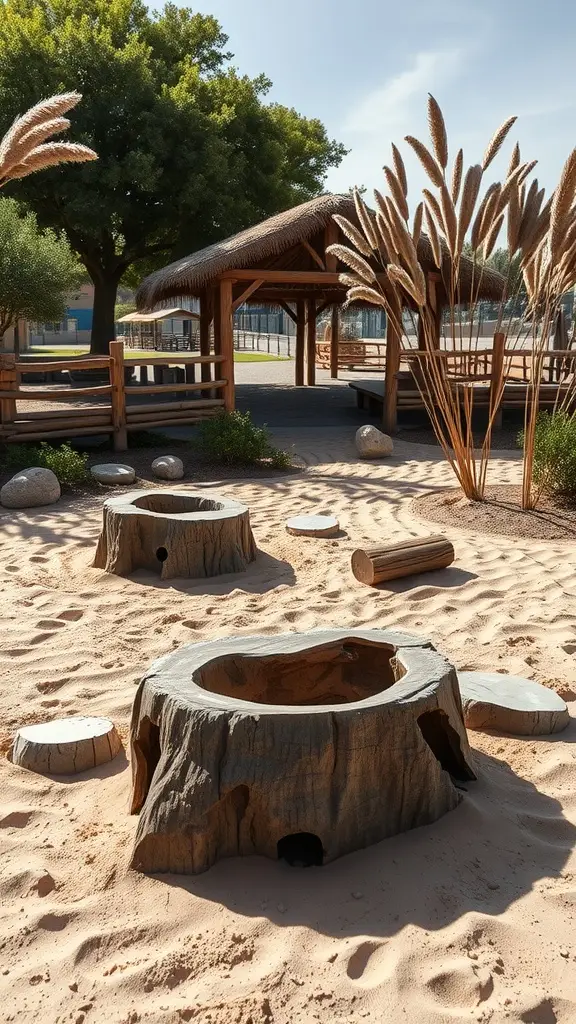
Ring the pit with timber or stone, fill with play sand for sandbox (paid link), and leave open stump hollows for scooping. A thatched gazebo behind the pit gives parents shade without sitting in the sand. Rake weekly so the surface stays loose and clean.
Moon of My Mud Kitchen
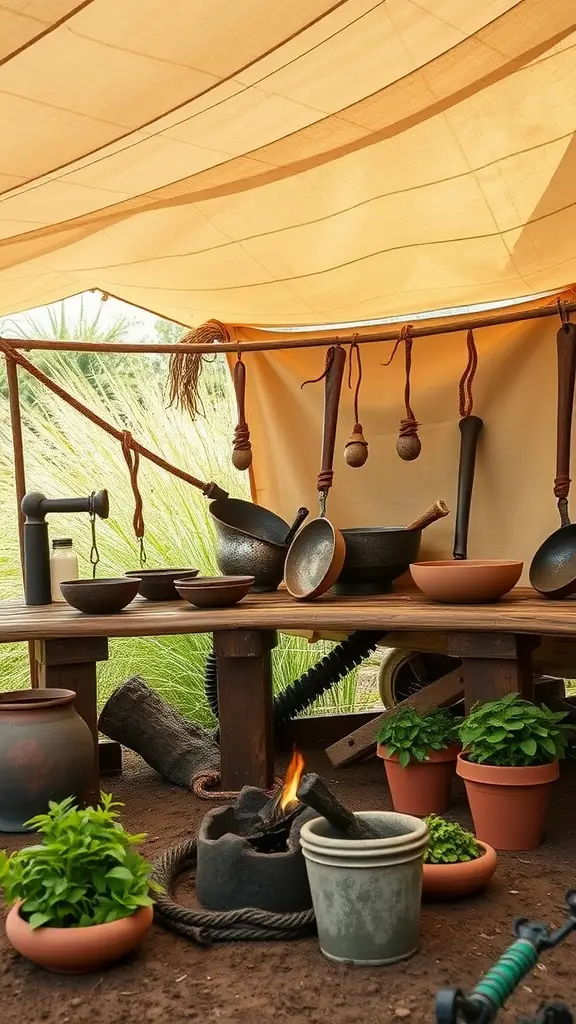
A covered kids outdoor mud kitchen (paid link) with real pots, a hand pump or jug station, and potted herbs beats a plastic sink that cracks in frost. Add outdoor play kitchen pots (paid link) you do not mind scratching. Keep any real flame bowl adult-only and cold when kids cook mud soups.
Freeborn Creek Bed
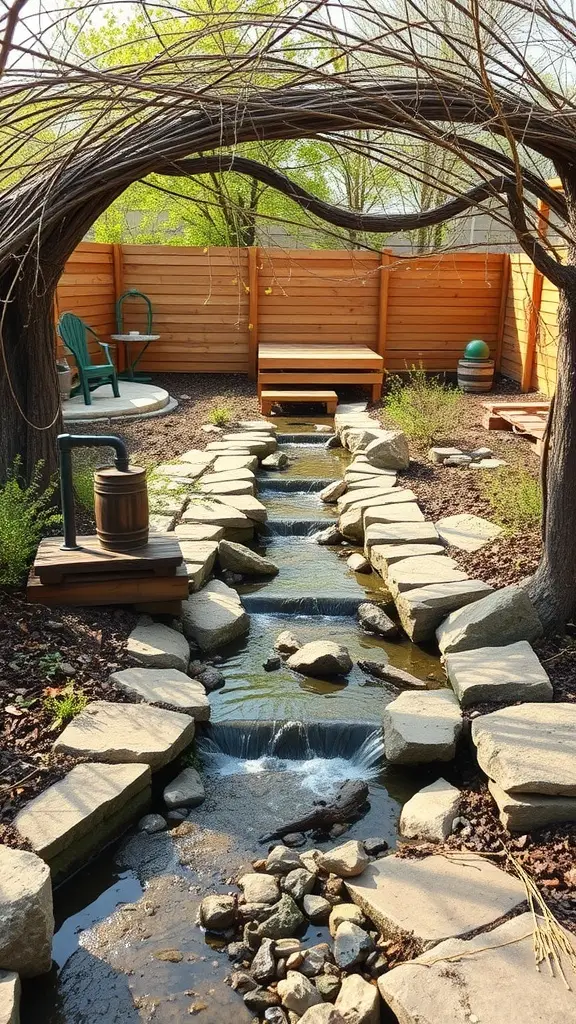
A recirculating pump in a lined channel with rounded river rock is enough. Cap flow so depth stays shallow, cover the pump intake with a grate, and empty or cover the run when overnight freezes arrive.
Dothraki Desert Slide
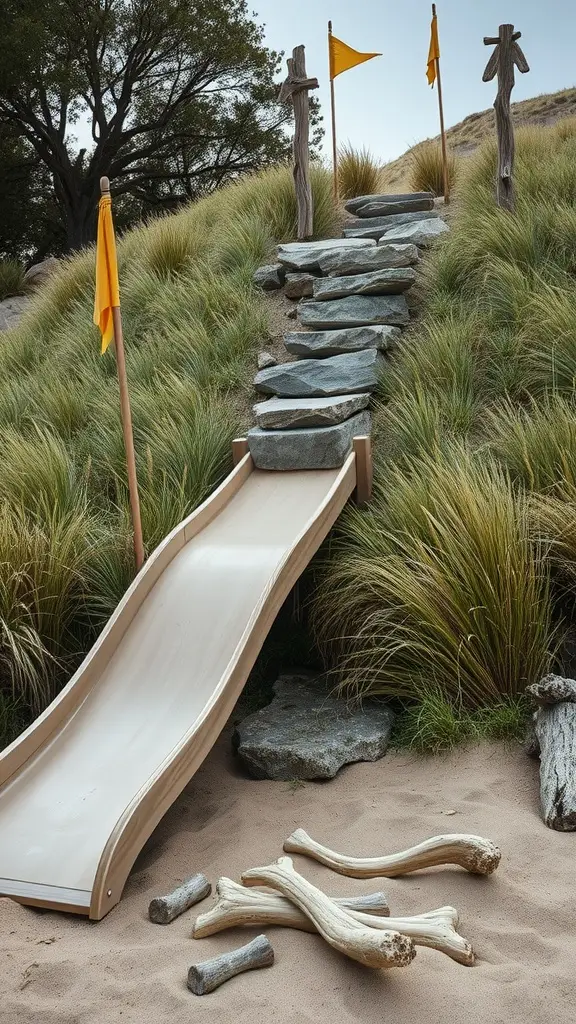
A hill slide needs a clear runout, side steps that are not the slide bed, and soft landing mulch. Yellow flags mark the edges for younger kids. Close the run when the ground freezes hard.
Grass Sea Mud Slide

Use a packed earth chute on a gentle slope with rock or timber steps to the side, never a shared climb-up on the slide face. Hose the chute before play so dry clay does not turn into a skin scrape. Close it when the hill freezes.
Stallion Circle Sand Arena
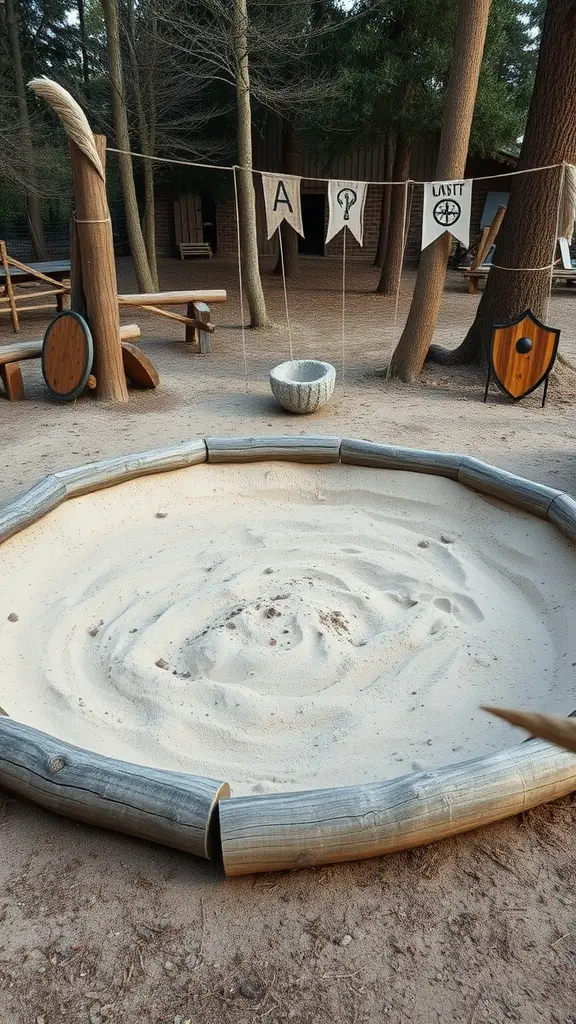
A wider sand circle suits group play and ride-on toys. Keep banners high enough that kids cannot wrap them while running. Edging should sit flush or low so wheeled toys do not catch.
Horse Lord Waterfall Wall
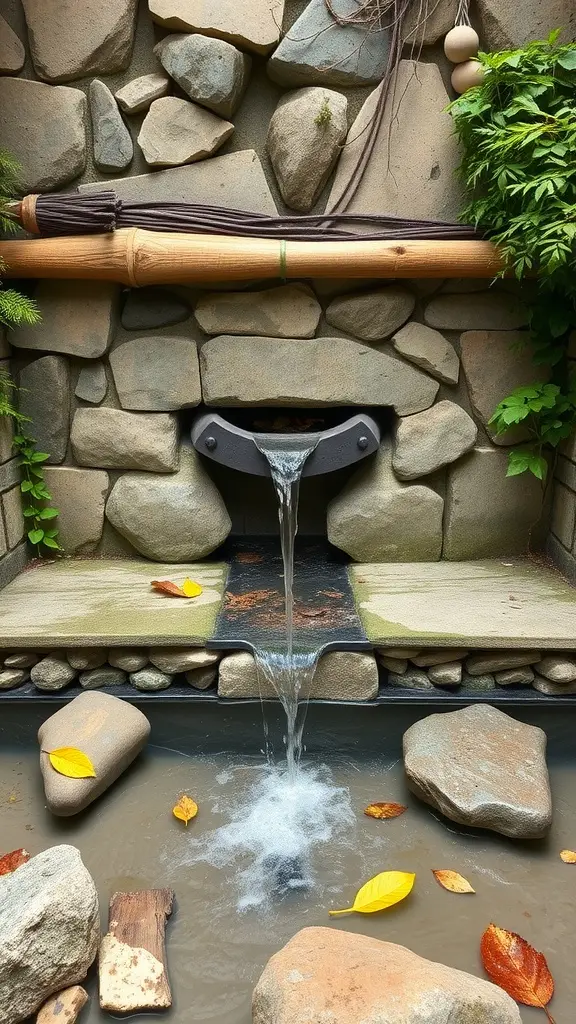
Treat water features as supervised sensory play, not climbing walls. Use a covered reservoir, GFCI power, and rounded stone. Shut the pump off when the yard is empty so standing water does not invite pests.
Climbing, Swings and Height
Height play belongs after surfacing is deep and the fall zone is clear. Start with swings and rope work, then platforms. A treehouse is a project with railings, a stable ladder and a weight rating you trust, not a weekend impulse. Test every new hang with an adult load before the first child climbs, and retire hardware that elongates holes in timber.
Khal Lookout Treehouse
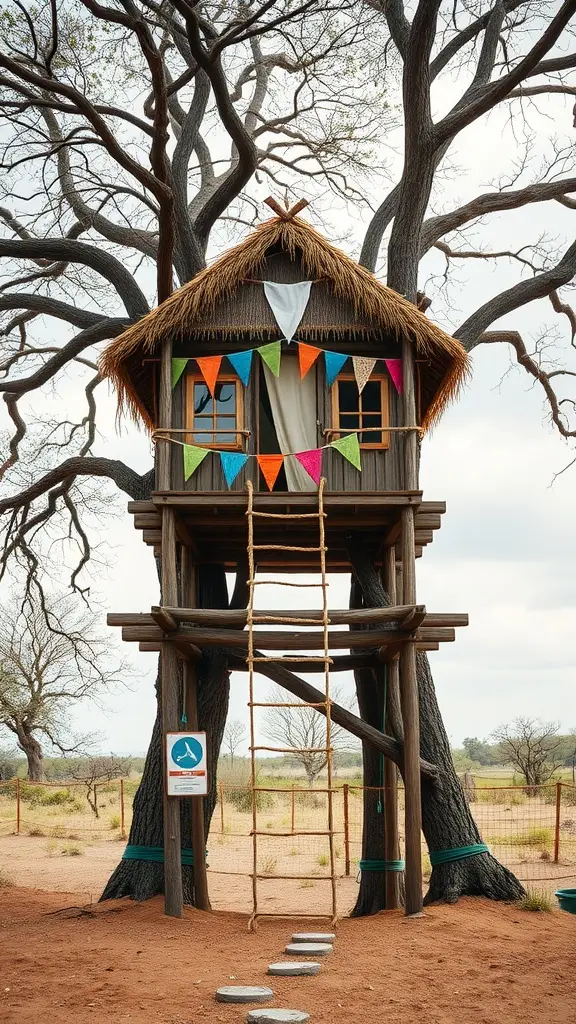
Build on sound trees or freestanding posts, not on a single weak limb. Use a fixed ladder or wide steps, railings on every open edge, and a fall zone free of the stepping stones shown in styling photos. Banners are optional; structure is not.
Bloodrider Climb Tower

Pair climbing cargo net (paid link) and rope ladder for kids (paid link) on posts set deep enough that side load does not rock them. Keep swings outside the climb path so a falling climber does not meet a moving seat. Soft surfacing under the whole footprint.
Whispering Swing Tree
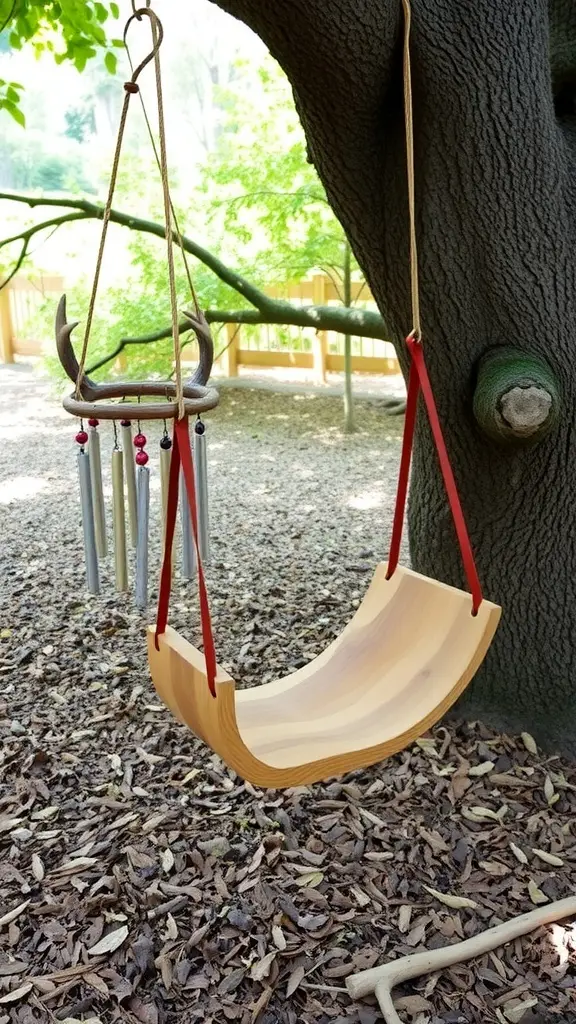
Use a proper tree swing hanging kit (paid link) with rated straps that do not girdle living bark. Hang over clear mulch, not roots or rocks. One swing per limb is safer than a cluster that twists ropes together.
Warrior Rock Climbing Face
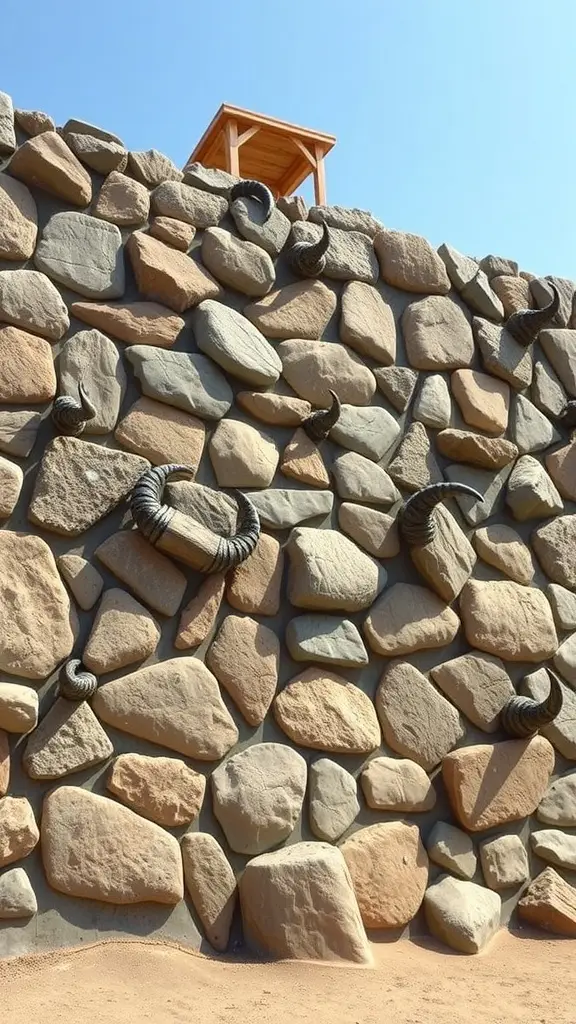
Real rock faces need professional setting or a purpose-built wall with certified holds. Soft surfacing at the base, no loose capstones, and a rule that the top platform is sit-only unless railings are in place.
Khalasar Swing Set
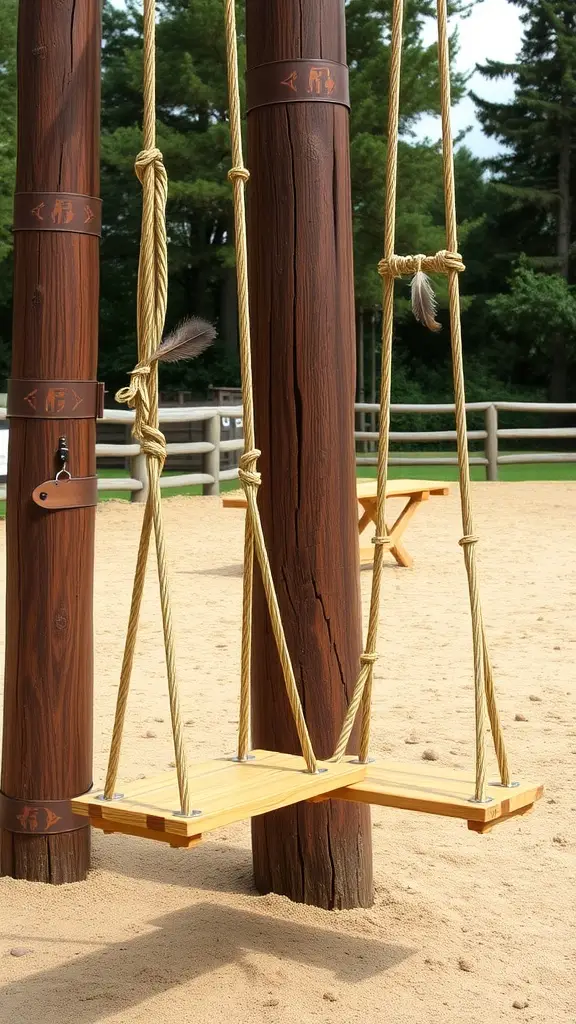
Commercial A-frame sets still need leveled ground and the manufacturer fall clearance. Replace frayed chains, cover open S-hooks, and keep decorative animals outside the swing arc.
Forts, Mazes and Hide Spots
Hideouts teach negotiation and quiet play. Keep roofs light, doors wide enough for an adult crawl-in, and fabrics untreated with mystery waterproofing that smells strong. Forts also double as fall harvest or Halloween bases without a second build. Check for wasp nests in spring, and keep a small flashlight hanging outside the door so kids are not searching pockets in the dark.
Vaes Dothrak Cubby
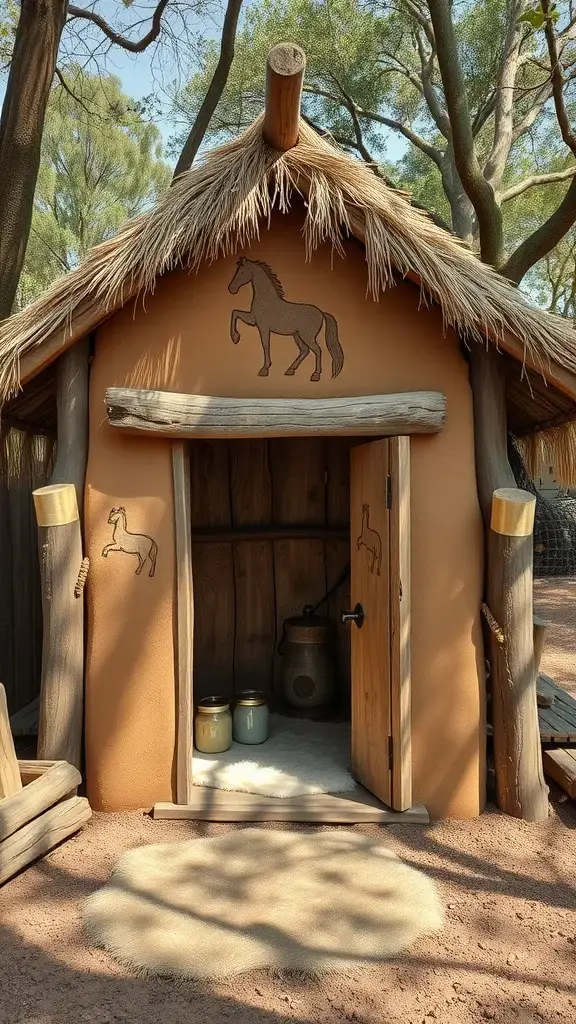
A low cubby with a thatch-look roof and open windows stays cooler than a sealed plastic house. Sand floors or smooth timber underfoot. Outside carvings should have rounded edges kids can grab without splinters.
Great Grass Sea Maze

Willow or flexible branch arches lashed into a tunnel work if ends are tucked and heights stay under adult reach for repair. Leave side exits so younger kids are never trapped in a dead end.
Whispering Grove Stick Fort
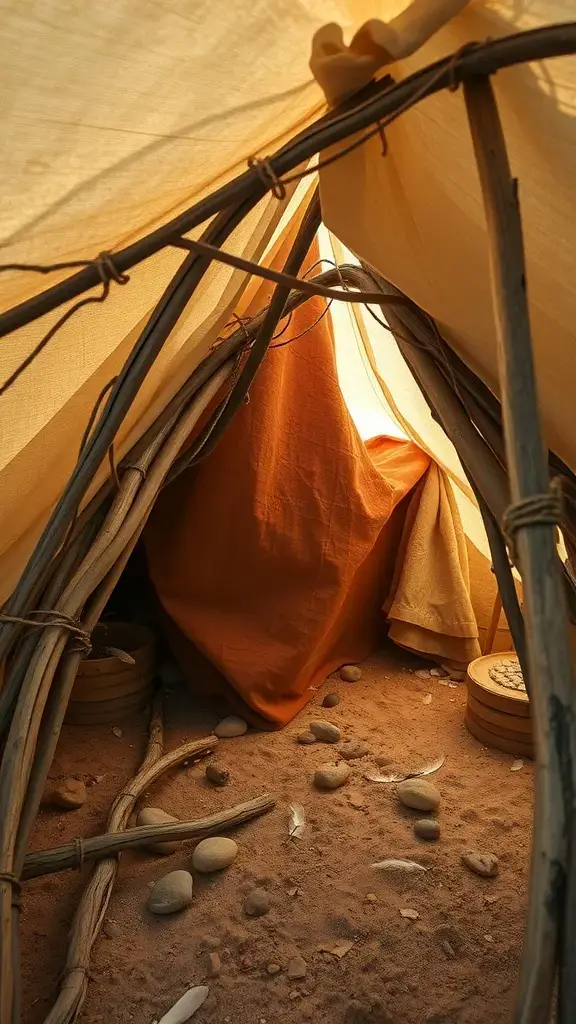
Lash live or fallen branches into an A-frame, drape breathable cloth, and keep the floor sand or mulch. No candles inside kid forts. Battery lanterns only, hung high.
Windrider Tunnel Combo

Combine a low crawl tunnel with a separate slide only if the exit is visible and the slide bed is smooth. Branch tunnels need seasonal re-lashing after wind. Trim poking stubs flush.
Painted Rider Totem Path
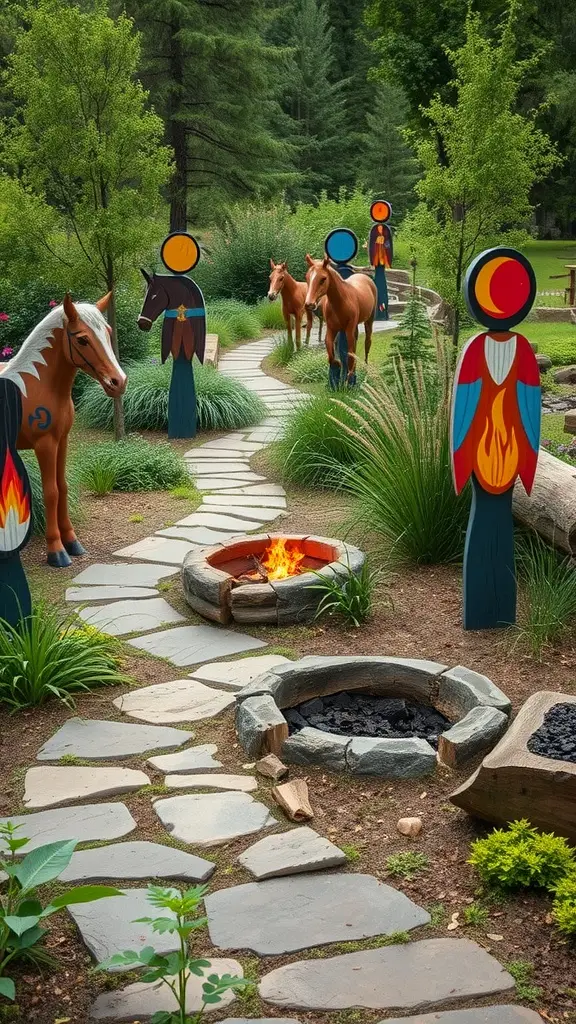
Totems and painted posts make a procession path without becoming climbable towers. Seal exterior paint labeled for outdoor child-accessible surfaces. For paint ideas that transfer indoors later, see our hand-painted furniture guide.
Movement Paths and Obstacle Trails
Linear courses burn energy when swings feel old. Keep gaps consistent, landings soft, and one-way traffic on narrow sections so kids do not collide mid-beam. A painted arrow on a stump or a single banner color can mark direction without needing a full sign system.
Leather and Lace Obstacle Trail

Barrels on their sides become tunnels; upright barrels stay empty and light so they tip safely. Flags mark the route. Skip cargo nets here if your climb tower already has one, so the yard has variety instead of duplicates.
Drumline Stump March
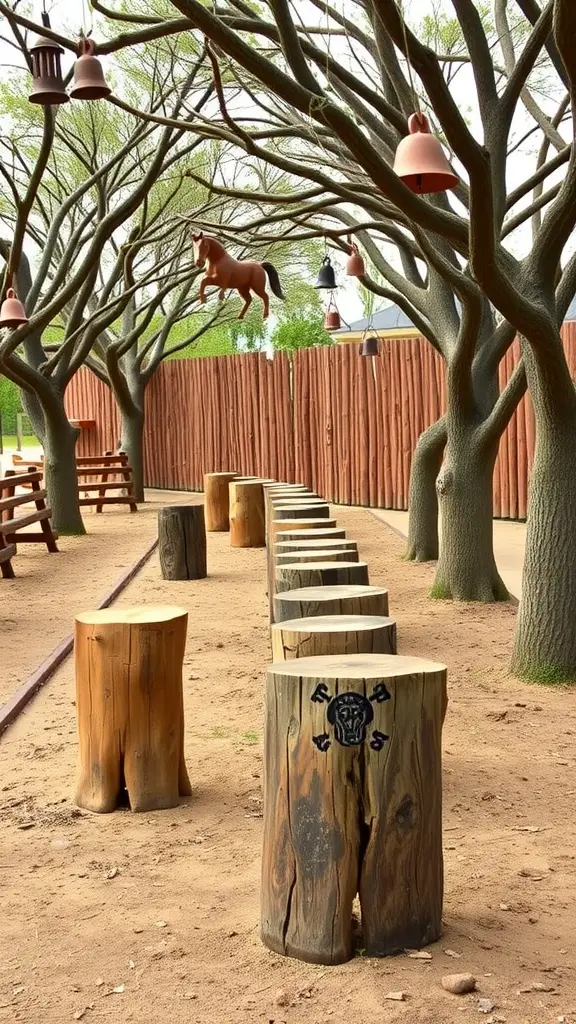
wooden stepping stumps (paid link) set firmly and level teach balance without a full beam. Space them for the shortest regular user, then add a second wider line for older kids. Sand or mulch between stumps.
River Path Canoe Bench
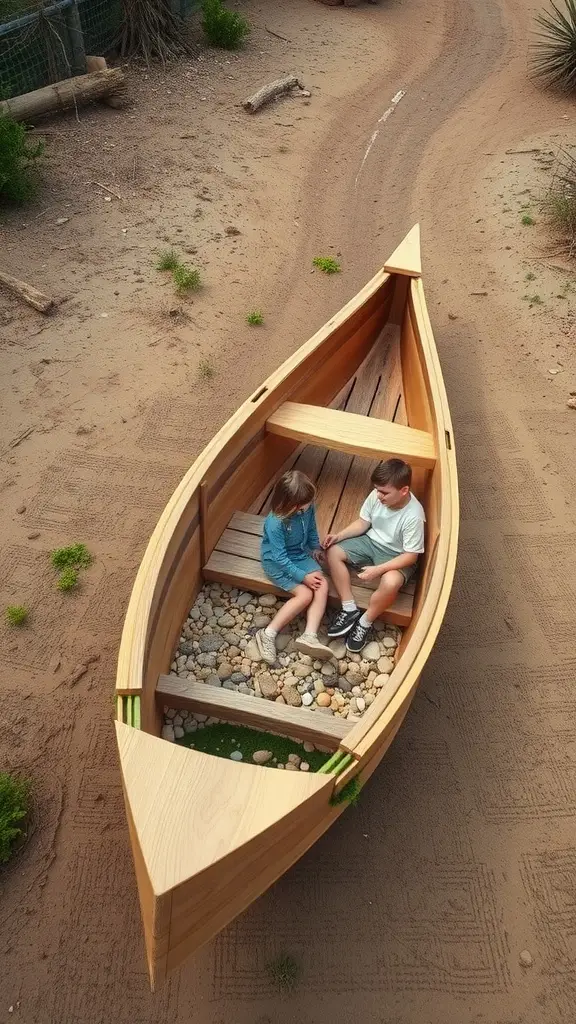
A grounded canoe bench is seating and pretend travel, not a tippy boat. Anchor it so it cannot roll, sand the gunwales, and keep it off any real water edge.
Bloodmoon Shield Zone

Soft foam or cardboard shields on freestanding posts support role play without hard contact sports. Ban hard sticks as swords. Pair a Halloween evening here with dark Halloween desserts served at a table well outside the sand.
Wild Hunt Archery Corner
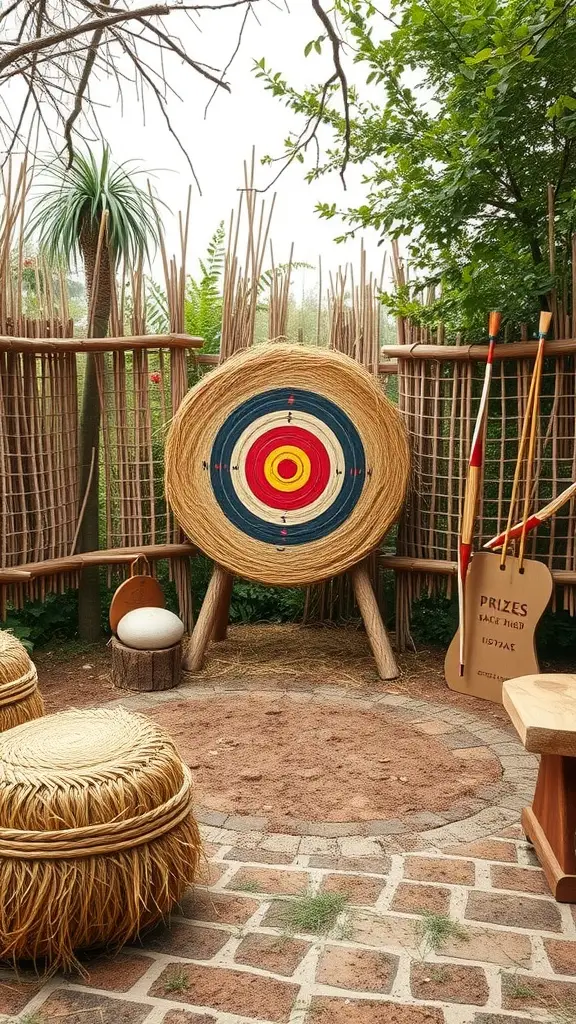
Backyard archery means kids foam archery set (paid link) with foam tips only, a clear downrange zone nobody crosses, and a backstop beyond the target. Store bows when adults are not present. Never mix archery with a shared obstacle trail.
Story Circles, Music and Quiet Corners
Every loud yard needs a soft landing. Place quiet corners closer to the house so bedtime wind-down does not require a hike past the climb tower in the dark.
Dothraki Fire Circle
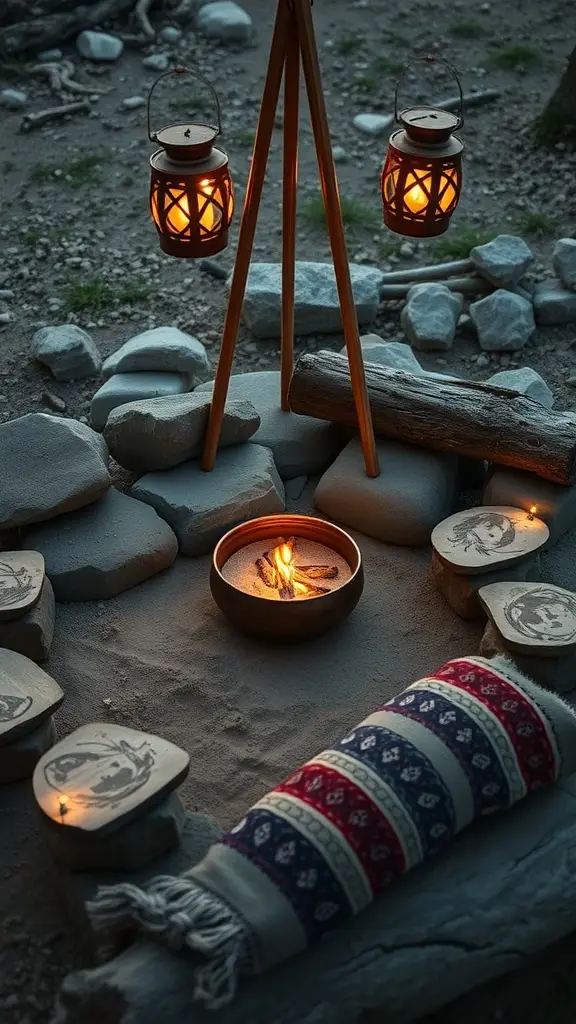
Real flame is adult-managed only: stable bowl or pit, water bucket, cold ash before kids sit close. Lanterns on a tripod stay out of reach. For flame-free evenings, use warm solar string lights hung high and battery candles.
Nomad Tent Reading Nook
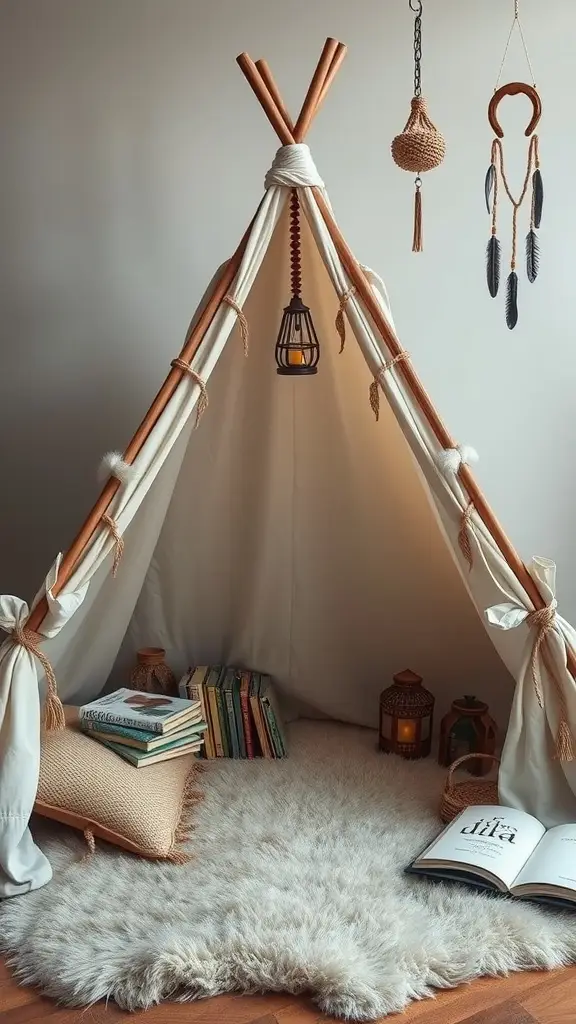
An outdoor play teepee tent (paid link) on a dry patio or under a covered porch keeps books usable. Outdoor placement needs a waterproof groundsheet and a weekly mold check on fabric. Move pillows inside overnight in damp climates.
Dothraki Drum Den

Stumps as seats plus simple drums give rhythm play that does not need electricity. Set stump heights so feet reach the ground. Warn neighbors before the first evening session.
Wild Grove Kitchenette
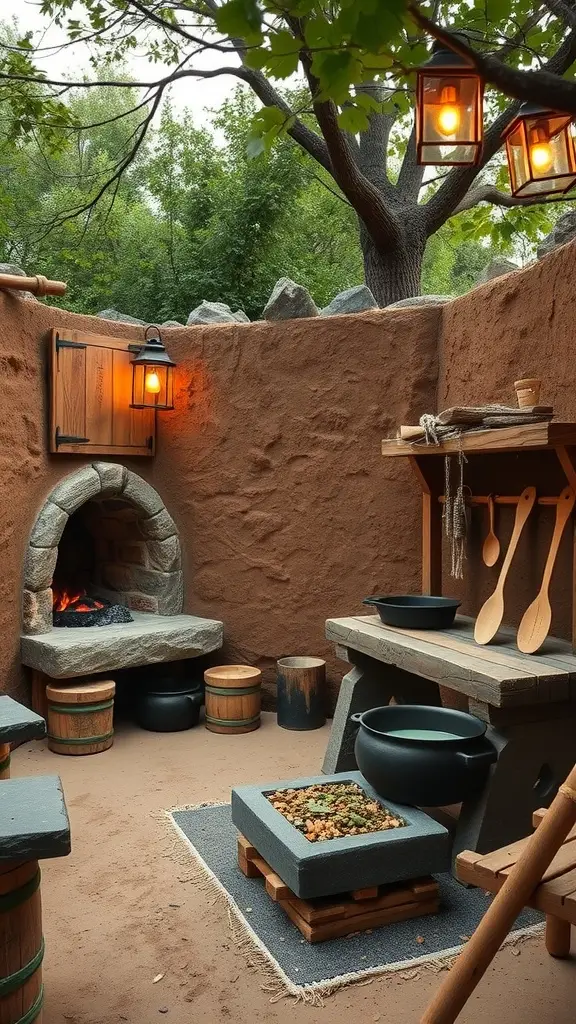
A second cooking nook with a decorative stone oven shell works for play if the oven is non-functional or adult-fired only. Benches need splinter-free tops. This pairs well with a real farmhouse kitchen indoors for the after-play meal.
Echo Hollow Listening Wall
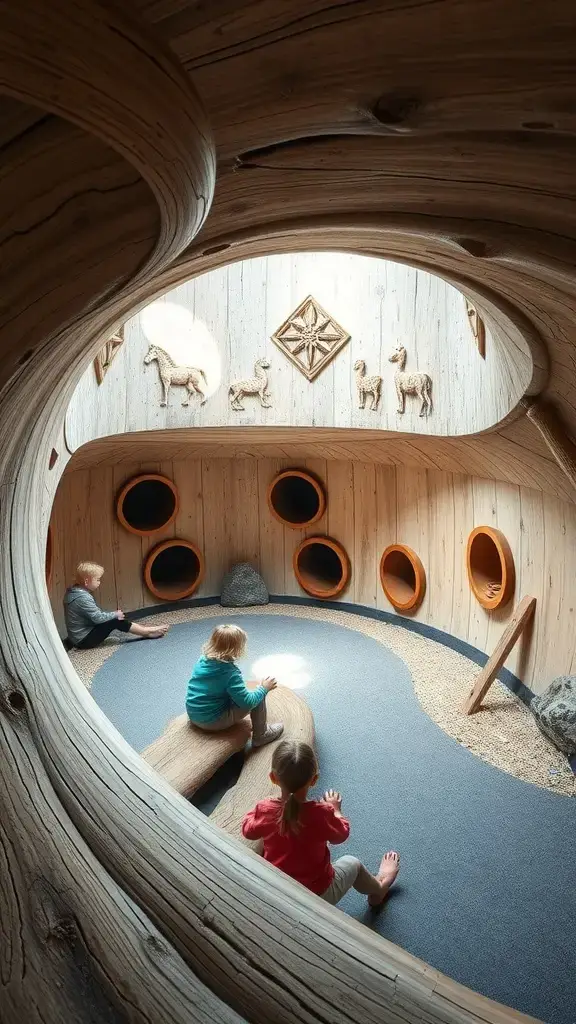
Curved walls with openings invite talking games and hide-and-seek without full enclosure. Keep openings large enough for adult access, and avoid enclosed boxes that trap heat.
Drogo Driftwood Horse Stable
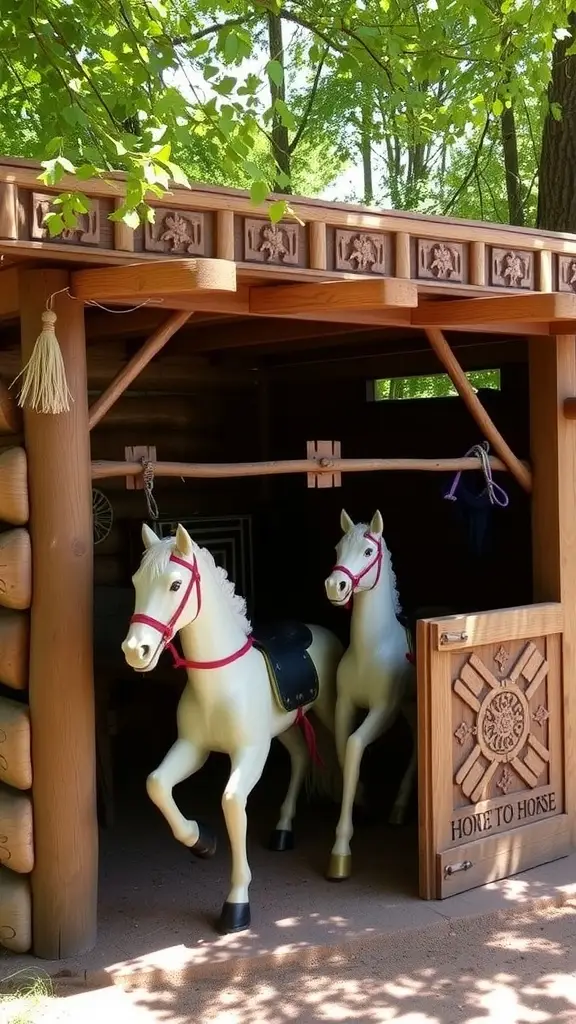
A stable frame with open stalls and washable toy horses supports caretaking play. Anchor walls against wind, round every stall edge, and store fabrics that mildew when wet weather settles in.
Fall Weekend Finish Line and Seasonal Add-Ons
A realistic three-weekend plan looks like this: weekend one clears, edges and lays surfacing; weekend two builds one dig zone and one fort; weekend three adds a swing or stump path and shade. Height projects wait until the ground layer is proven.
- Stake sightlines, mark utilities before any dig, and order mulch, sand and timber.
- Install edging, landscape fabric weed barrier (paid link), fall-zone mulch and the sand pit shell.
- Build the mud kitchen or stick fort, then hang one swing over finished surfacing.
- Add totems, banners and pathway paint only after structures pass a shake-and-rattle test.
For a Halloween or harvest evening, dress an existing fort with cloth banners, battery lanterns and a snack table outside the fall zone. Printable invitations and family games from our Lantern Lane Halloween Party Kit fit a yard party without new carpentry, and you can see more printable kits in our shop. Keep candy and open flames at the table, not on platforms.
By spring you should have soft ground, one wet-play zone, one height element, one hideout and one quiet corner. That set covers most ages without turning the yard into a single-use theme park. Re-seal timber, top up mulch and retire any rope that looks fuzzy or thin before the first hot weekend returns. Photograph each structure after install so you can compare tilt, sag and rope wear month to month without guessing.
If neighbors share a fence line, give them a heads-up before the first drum evening or splash weekend. A low border of ornamental grass softens the view of banners and totems from the street while still keeping sightlines from your kitchen. Store loose props in a weatherproof bin so wind does not turn shields and pots into yard litter overnight.
The Dothraki names are for fun. The lasting value is a yard kids can dig, climb, hide and rest in without a plastic tower that cracks after one summer. Build slower than the mood board suggests, check hardware often, and let the spaces that get used daily earn the next upgrade.
When the yard work is done for the day, keep exploring Inspired Realms with vintage Gatsby Christmas decorations, lavish 1920s bathroom ideas, gothic hors d’oeuvres, Mad Men vintage appetizers, 1920s Christmas dessert recipes, Star Wars-inspired bars, dark Halloween desserts, tiny bites for a Coruscant-inspired gala, Gatsby-inspired entrees, Gatsby cocktail dresses, Roaring 20s party accessories, hand-painted furniture, Star Wars dinner recipes, Star Wars wedding dresses, Gatsby roaring 20s bathroom decor, Coruscant nightclub small plates, vintage hand-painted furniture, Gotham villain wedding dresses and Gatsby sequin mini dresses. This batch also covers Gotham City kitchen wallpaper and Roaring 20s punch recipes, and you can find printable kits in the Inspired Realms shop.