
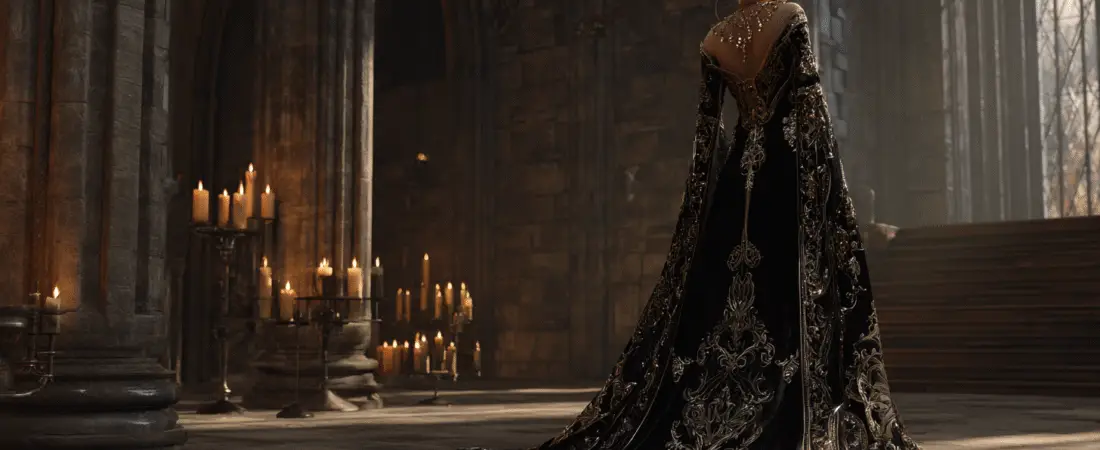
Step into the enchanting world of medieval fashion, where princesses turned heads in dresses that captured the essence of royalty. With stunning embroidery, sumptuous velvet fabrics, and elegant silhouettes, these garments were designed to impress at courtly gatherings and grand feasts. Explore how these exquisite styles reflect the artistry and opulence of the era, bringing a taste of history to today’s fashion scene.
Flowing Skirts and Trains
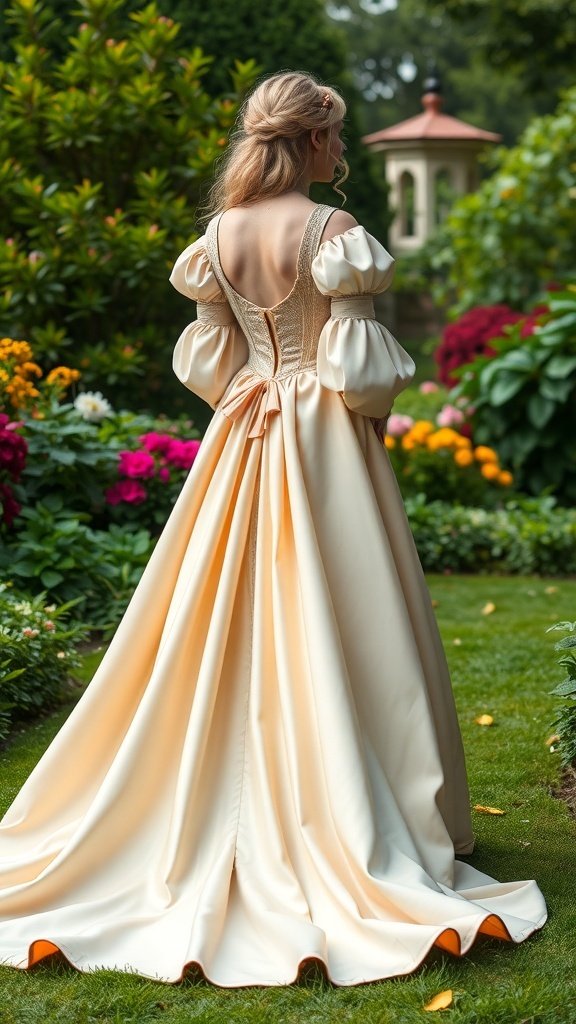
The flowing skirts and trains of a Medieval Princess dress are truly captivating. These designs often feature layers of luxurious fabrics that cascade gracefully to the ground. The way the fabric moves adds a sense of drama and elegance to any outfit.
In the image, the dress has a beautiful train that trails behind, enhancing the regal silhouette. The soft, flowing fabric creates a stunning visual effect, especially in a garden setting. This kind of design not only looks lovely but also symbolizes the grace and poise expected of a princess.
With puffed sleeves and a fitted bodice, the dress balances structure and flow. The combination of these elements makes it perfect for any royal occasion. A Medieval Princess would surely feel like royalty wearing such a magnificent gown.
Rich Color Palettes
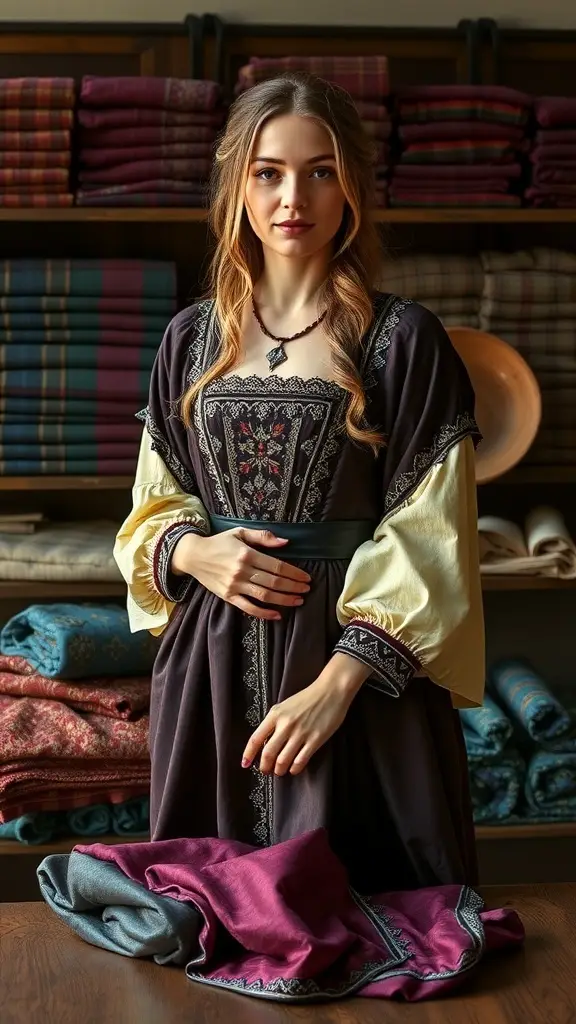
When we think of a Medieval Princess, vibrant colors come to mind. The image shows beautiful fabrics that capture this essence perfectly. The deep red and rich teal hues create a striking contrast, making them ideal for royal attire.
These colors were not just for show; they symbolized wealth and status. The luxurious velvet and intricate embroidery added to the overall grandeur. The gold trim along the edges enhances the regal feel, making these fabrics suitable for a princess.
In medieval times, color choices were often influenced by the availability of dyes. The bold shades we see here would have been highly sought after, showcasing the importance of color in royal fashion. A Medieval Princess would certainly stand out in such stunning attire.
Accessories with Elegance
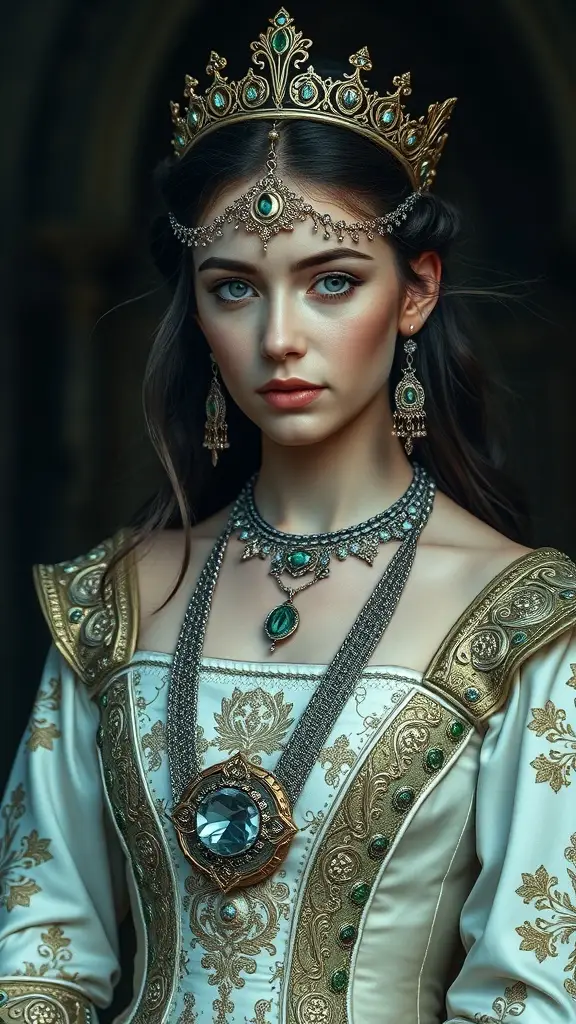
The image captures the essence of a Medieval Princess, showcasing a stunning array of accessories that enhance her regal look. The crown, adorned with intricate designs and sparkling jewels, sits proudly atop her head, symbolizing her royal status. Her earrings dangle elegantly, catching the light and adding a touch of glamour.
Her necklace is a masterpiece, featuring a large central gem surrounded by delicate chains and smaller stones. This piece not only complements her dress but also draws attention to her graceful neckline. The combination of these accessories creates a harmonious balance, making her appear both powerful and enchanting.
In the world of Medieval fashion, accessories play a crucial role. They elevate the overall appearance and reflect the wearer’s social standing. Each piece tells a story, from the materials used to the craftsmanship involved. A Medieval Princess would often choose accessories that not only matched her outfit but also showcased her unique style and personality.
Intricate Bodice Designs
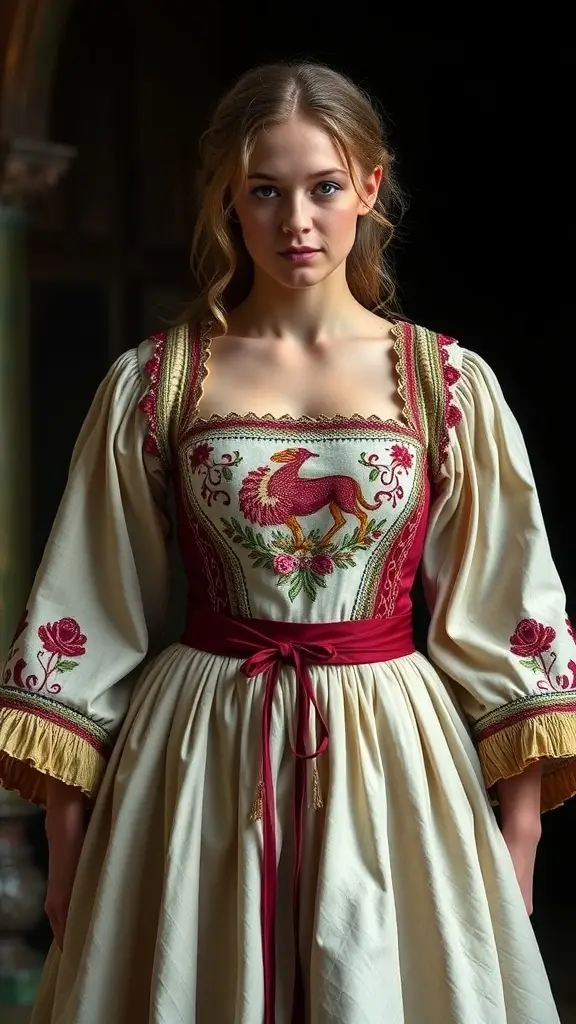
The bodice of a medieval dress often serves as the centerpiece of the entire outfit. In the image, the bodice features stunning embroidery that tells a story of artistry and craftsmanship. The vibrant colors and detailed patterns draw the eye, showcasing the skill of the artisans who created it.
With a square neckline and puffed sleeves, this design highlights the elegance typical of a Medieval Princess. The rich velvet fabric adds a luxurious touch, making it perfect for royal occasions. The intricate floral motifs and the majestic creature embroidered on the bodice symbolize nobility and grace.
The fitted bodice not only enhances the silhouette but also reflects the fashion trends of the time. It emphasizes the waist, creating a flattering shape that was admired in medieval society. This attention to detail in bodice design is what sets these dresses apart, making them timeless pieces of art.
Embroidered Sleeves
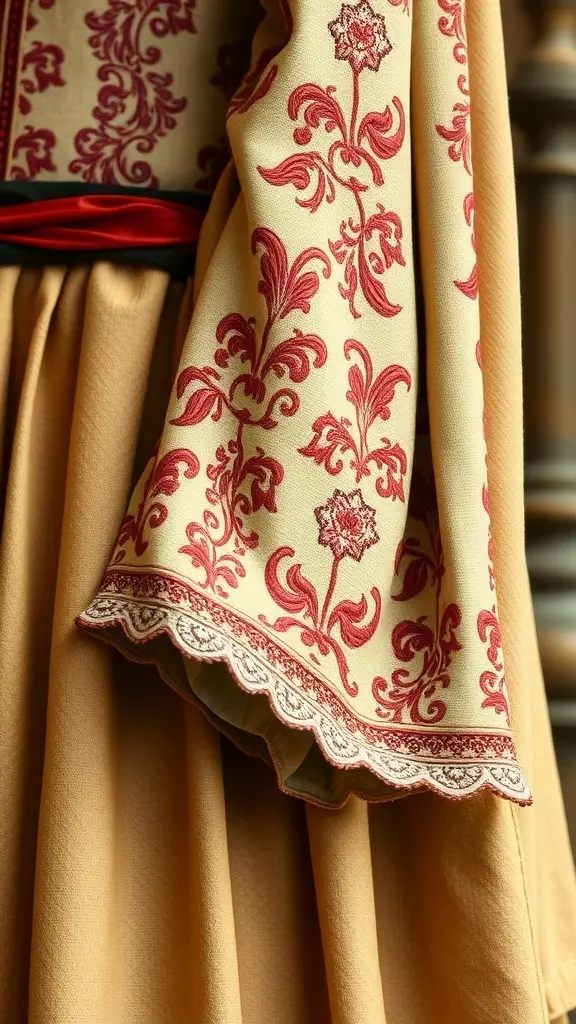
The embroidered sleeves of a Medieval Princess dress are a stunning feature that captures the essence of royal fashion. The intricate designs often tell stories of elegance and grace, showcasing the skill of artisans from that era.
In the image, the sleeves are adorned with beautiful floral patterns in rich red tones against a soft beige background. This color combination not only adds depth but also highlights the craftsmanship involved in creating such garments.
The flowing fabric drapes elegantly, allowing for movement while maintaining a regal silhouette. The delicate scalloped edges provide a finishing touch that enhances the overall look, making it perfect for a princess.
These embroidered sleeves are not just about aesthetics; they reflect the status and personality of the wearer. A Medieval Princess would have chosen such details to express her individuality and nobility.
Regal Silhouettes
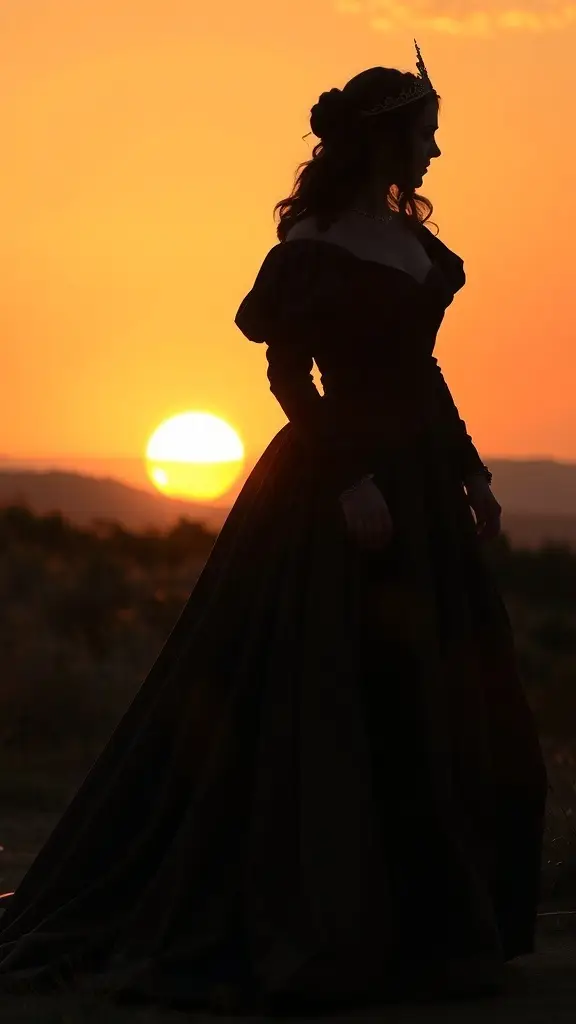
The image of the Medieval Princess captures the essence of regal silhouettes beautifully. The dress flows elegantly, creating a stunning outline against the backdrop of a setting sun. This silhouette showcases the grandeur often associated with royal attire.
In medieval times, dresses were designed to emphasize the wearer’s stature. The fitted bodice and voluminous skirt create a striking contrast, enhancing the princess’s figure. The off-shoulder design adds a touch of sophistication, making it perfect for a royal event.
The rich fabric and intricate details, though not visible in silhouette, hint at the luxurious materials used. Velvet was a popular choice, known for its softness and depth of color. This choice reflects the wealth and status of a Medieval Princess.
Overall, the silhouette not only represents fashion but also the power and grace of royalty. It invites us to imagine the stories and lives of those who wore such magnificent attire in a time long past.
Opulent Velvet Gowns
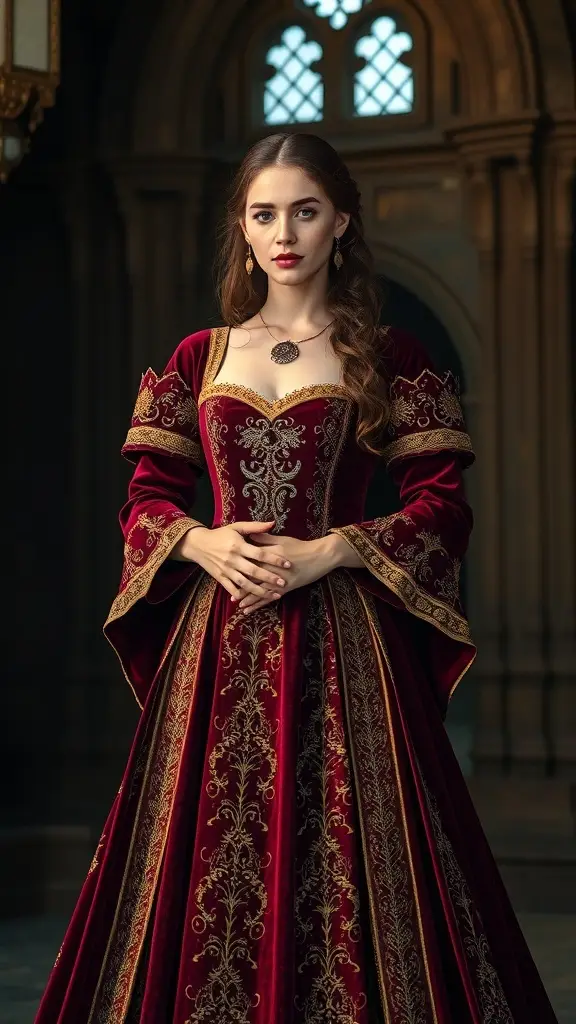
Imagine stepping into a grand hall, where the light dances off rich velvet fabrics. This is the essence of opulent velvet gowns, often worn by a Medieval Princess. The deep hues of red and gold create a stunning visual, making these dresses a symbol of royalty.
The gown in the image showcases intricate embroidery that tells stories of elegance and grace. The detailed patterns add a touch of artistry, making each piece unique. The flowing silhouette enhances the regal appearance, allowing the wearer to move with poise.
With wide sleeves and a fitted bodice, this gown captures the spirit of medieval fashion. It’s not just clothing; it’s a statement of status and beauty. Velvet, known for its softness and luxurious feel, elevates the entire look, making it perfect for a princess.
Wearing such a gown would make anyone feel like royalty. The combination of rich fabric and detailed design creates a timeless look that continues to inspire modern fashion. Velvet gowns are not just garments; they are a celebration of history and artistry.
Cloaks and Capes
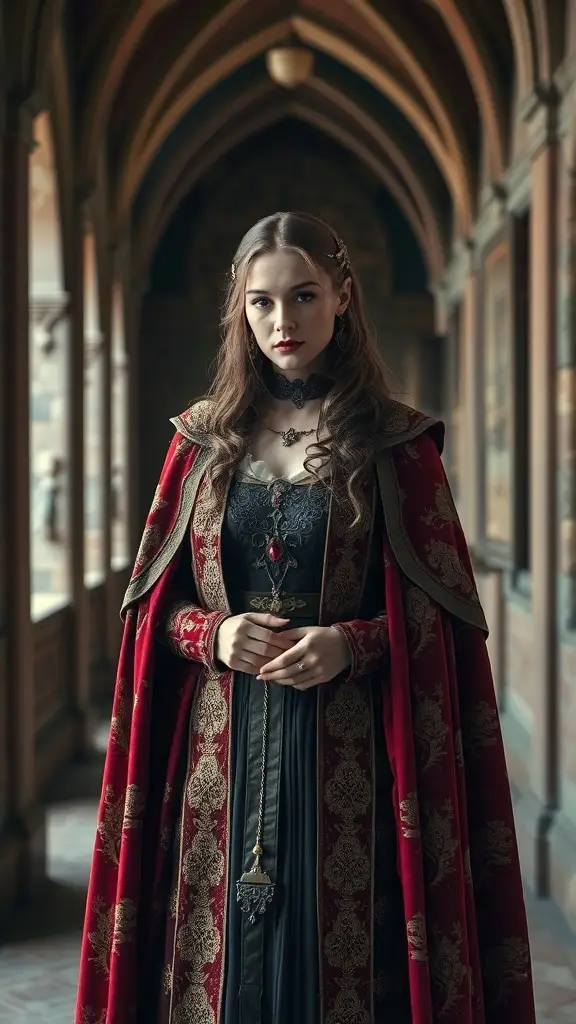
Cloaks and capes were essential elements of a Medieval Princess’s wardrobe. These garments offered both style and warmth, making them perfect for various occasions. The image showcases a stunning princess adorned in a rich, red cloak, beautifully embroidered with golden patterns. This striking design not only highlights her royal status but also reflects the craftsmanship of the era.
The flowing nature of cloaks allowed for graceful movement, adding an air of elegance to any outfit. The princess’s attire features a deep black dress underneath, which contrasts beautifully with the vibrant cloak. This combination emphasizes the regal silhouettes that were popular among noblewomen.
In addition to their aesthetic appeal, cloaks served practical purposes. They provided protection against the elements and could be used to conceal the wearer when necessary. The intricate detailing on the cloak, along with the rich velvet fabric, showcases the luxurious lifestyle of a Medieval Princess.
Overall, cloaks and capes were more than just fashion statements; they were symbols of power and prestige. The image perfectly captures the essence of a Medieval Princess, blending beauty and functionality in her attire.
Cultural Influences
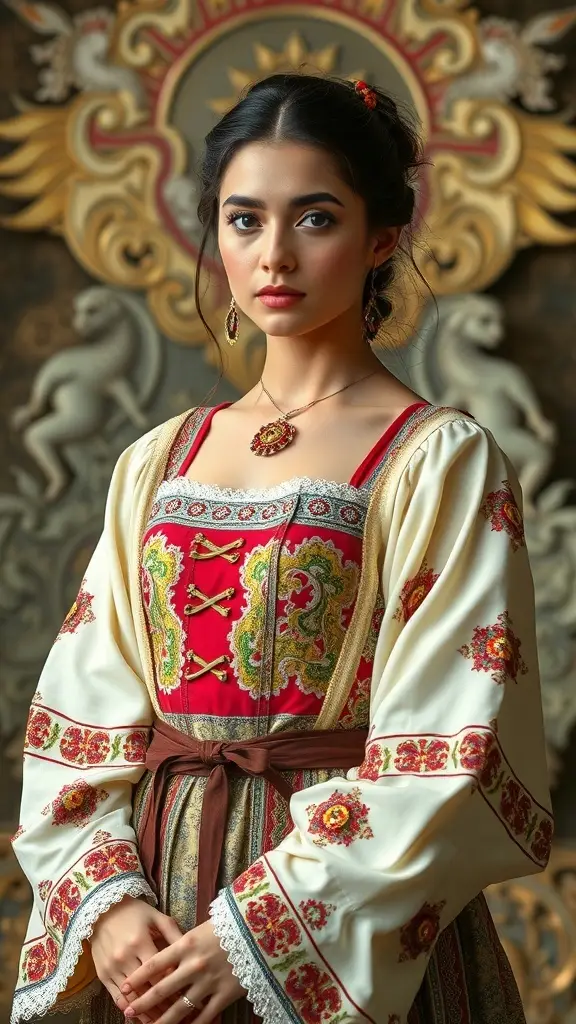
The image showcases a stunning array of dresses that reflect the essence of a Medieval Princess. Each gown features rich fabrics and intricate embroidery, highlighting the craftsmanship of the time.
Colors like deep reds, greens, and earthy tones were popular, symbolizing wealth and status. Velvet and silk were commonly used, providing a luxurious feel that was essential for royalty. The silhouettes are designed to accentuate the figure while maintaining modesty, a key aspect of medieval fashion.
These dresses were not just about aesthetics; they also represented cultural values. The embroidery often told stories or depicted symbols significant to the wearer’s lineage or region. This connection to heritage made each piece unique and meaningful.
Overall, the cultural influences of the medieval period are beautifully captured in these dresses, making them timeless pieces that continue to inspire modern fashion.
Layered Fabrics
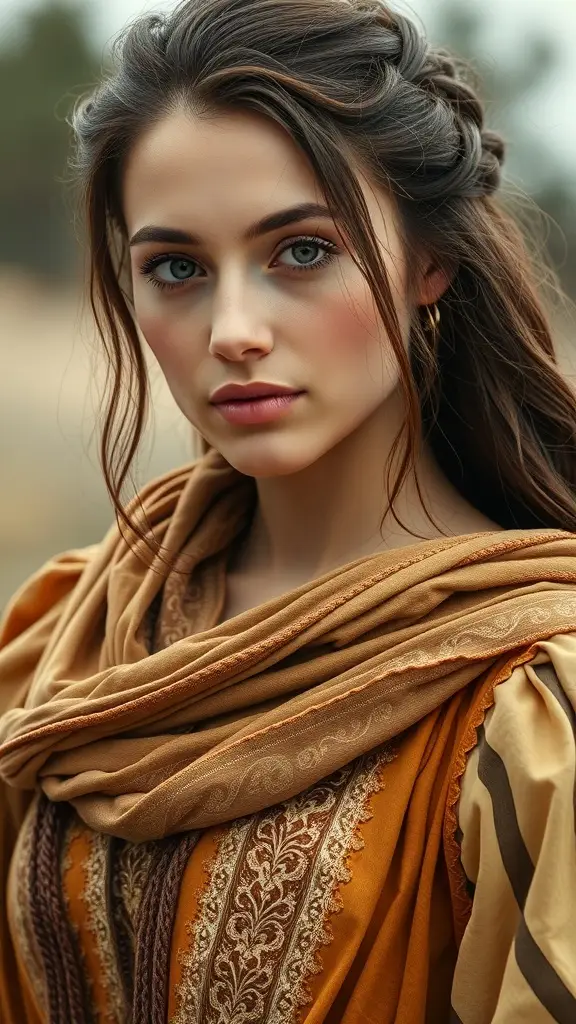
When we think of a Medieval Princess, the image of layered fabrics often comes to mind. The way these fabrics drape and flow creates a sense of grace and elegance. In this image, we see a beautiful arrangement of soft, flowing material that captures the essence of royal attire.
The fabric appears to be light and airy, allowing for movement while maintaining a regal silhouette. This layering technique not only adds depth but also enhances the overall look, making it perfect for a princess. The gentle folds and soft texture invite admiration and evoke a feeling of luxury.
Layered fabrics were essential in medieval fashion, often symbolizing status and wealth. A princess would wear multiple layers, each contributing to the grandeur of her outfit. This image beautifully showcases how the interplay of different layers can create a stunning visual effect, making it a key element in the wardrobe of a Medieval Princess.
Textile Techniques
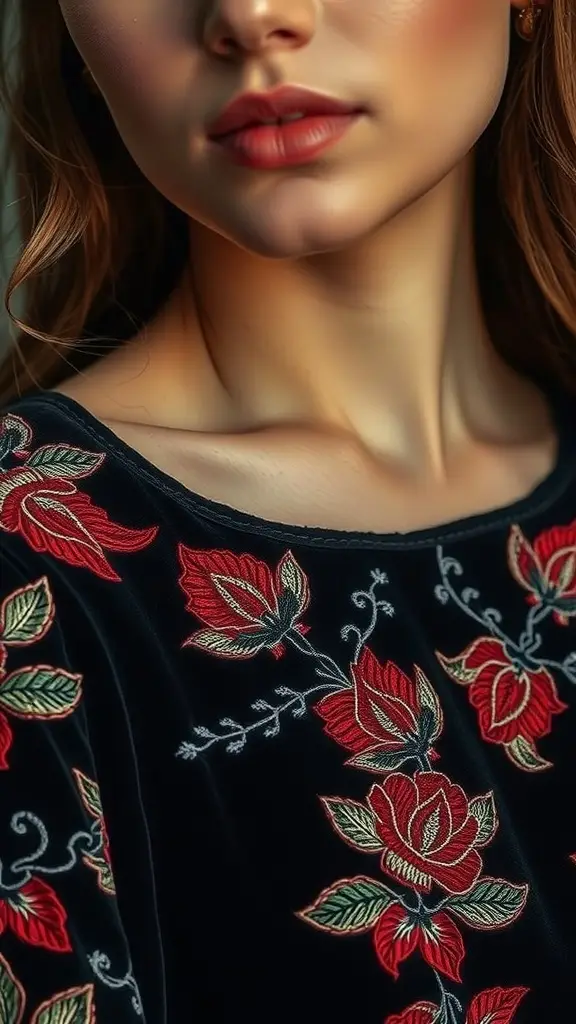
In the world of a Medieval Princess, textiles played a huge role in showcasing status and style. The image captures a skilled artisan, deeply focused on the intricate work of embroidery. This attention to detail was essential in creating garments that were not just functional but also beautiful.
Embroidery techniques varied widely, often featuring elaborate designs that told stories or represented family crests. The artisan’s hands are busy stitching, a testament to the hours spent perfecting each piece. Velvet fabrics were particularly popular, known for their rich texture and luxurious appearance. These materials added depth to the garments, making them stand out in any royal gathering.
Regal silhouettes were crafted to enhance the wearer’s figure, often using layers to create a flowing effect. The combination of these techniques resulted in dresses that were not only visually stunning but also symbolized the power and grace of a Medieval Princess. Each stitch and fold contributed to the overall elegance, making every dress a work of art.
Golden Thread Embroidery
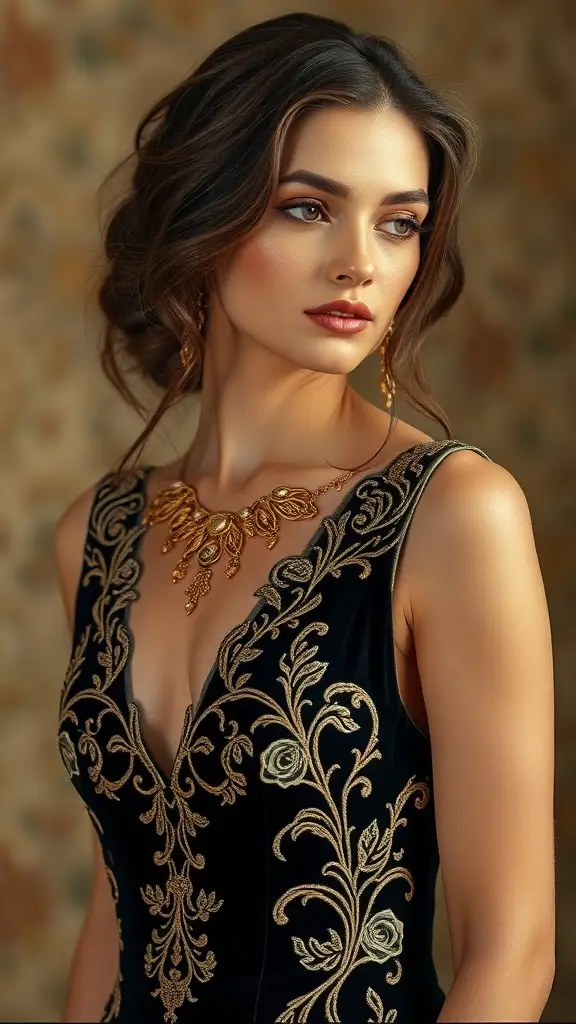
The golden thread embroidery on medieval dresses is truly a sight to behold. This stunning detail adds a touch of luxury and elegance, making any garment fit for a Medieval Princess.
In the image, you can see intricate designs that flow gracefully across the fabric. The rich black velvet serves as a perfect backdrop for the shimmering gold threads, creating a striking contrast. Each swirl and leaf pattern tells a story of artistry and craftsmanship.
These designs were not just for show; they symbolized status and wealth. A princess adorned in such embroidery would stand out in any court, capturing the attention of all around her. The skill involved in creating these patterns was immense, often taking hours or even days to complete.
Golden thread embroidery remains a cherished aspect of medieval fashion. It reflects the beauty and sophistication of the era, reminding us of the elegance that defined the lives of royal women.
Historical Inspirations
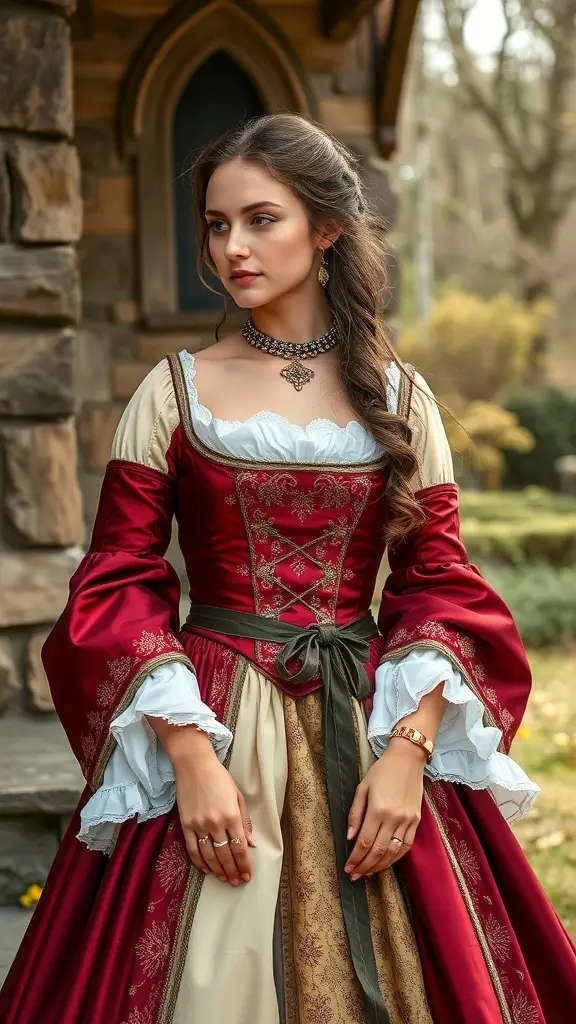
The image showcases a stunning collection of dresses that reflect the elegance of a Medieval Princess. Each gown features intricate embroidery, rich velvet fabrics, and regal silhouettes that transport us back to a time of nobility and grace.
These dresses are inspired by historical designs, capturing the essence of royal fashion from the medieval period. The use of luxurious materials like velvet not only adds to the visual appeal but also signifies the wealth and status of those who wore them.
Notice the variety in colors and styles, from deep reds to soft whites. Each dress tells a story, representing different aspects of medieval life and culture. The attention to detail in the embroidery showcases the craftsmanship of the era, making these garments true works of art.
When we think of a Medieval Princess, we envision not just beauty but also strength and poise. These dresses embody that spirit, reminding us of the powerful women who once graced the courts of history.
Fabrics of the Era
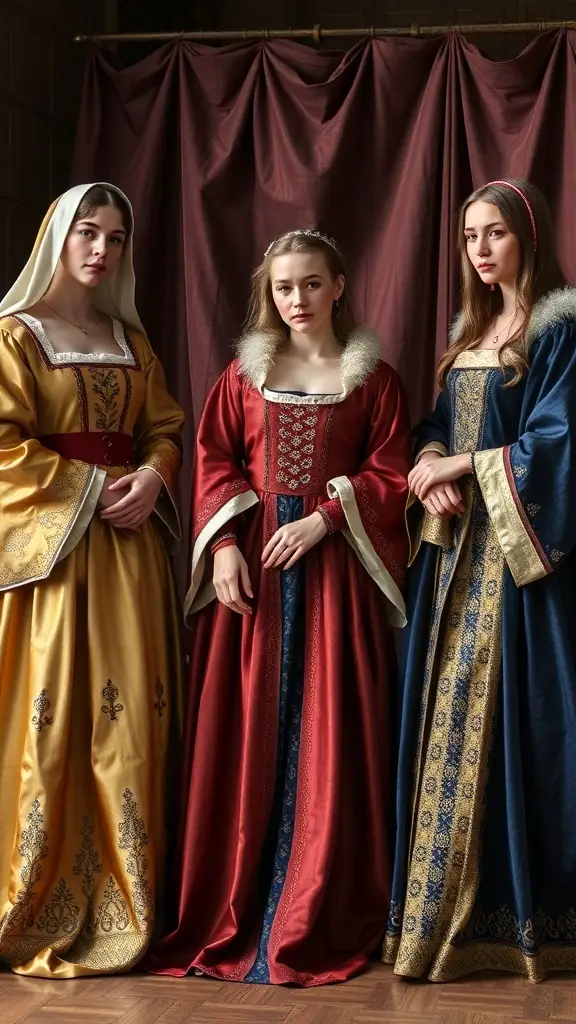
The fabrics used in the medieval period were a key part of a Medieval Princess’s wardrobe. The image shows three young women dressed in stunning gowns that reflect the elegance of the time. Each dress features rich colors and intricate designs, showcasing the craftsmanship of the era.
Velvet was a popular choice for these gowns. Its soft texture and deep hues made it perfect for royalty. The red gown in the center stands out with its luxurious feel, while the golden dress on the left adds a touch of brightness. These fabrics were often expensive, reserved for those of high status.
Embroidery played a significant role in the design of these dresses. The detailed stitching adds character and beauty. The patterns often included floral designs or symbols that represented nobility. The blue gown on the right features gold embroidery, enhancing its regal look.
Overall, the fabrics and designs of the medieval period were not just about fashion; they conveyed power and status. A Medieval Princess would have worn these exquisite materials to reflect her importance in society.
Regal Headpieces
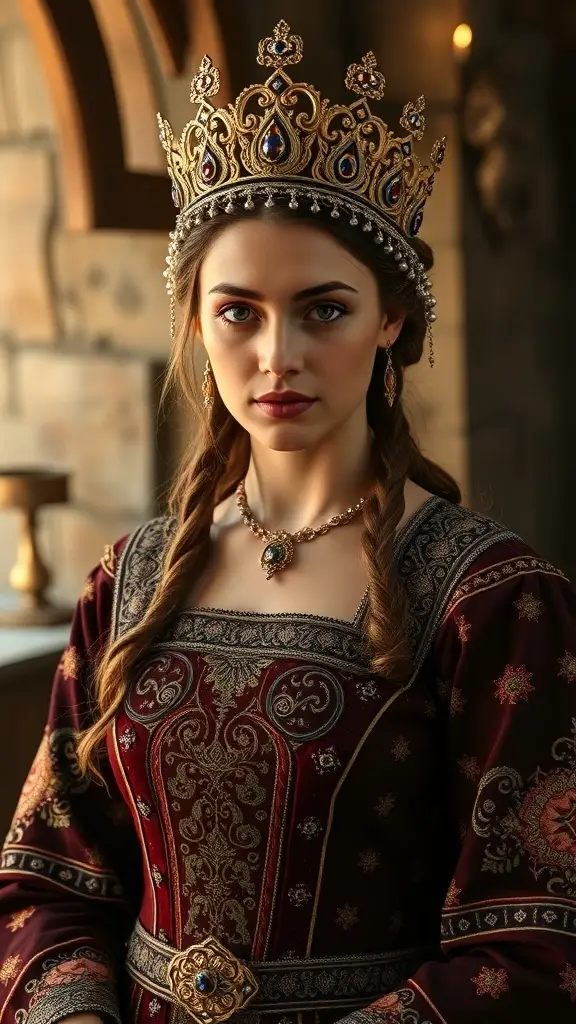
When we think of a Medieval Princess, the first thing that often comes to mind is the stunning headpieces that adorned their heads. These crowns and tiaras were not just accessories; they were symbols of power and grace. The intricate designs, often embellished with jewels, showcased the wealth and status of the wearer.
The headpiece in the image captures this essence beautifully. It features a golden crown adorned with colorful gemstones, reflecting the light in a way that draws the eye. This kind of headpiece would have been the centerpiece of a princess’s attire, complementing her elegant gown made of rich velvet and detailed embroidery.
Such regal headpieces were crafted with great care, often taking skilled artisans many hours to complete. They were designed to sit perfectly on the head, enhancing the overall silhouette of the Medieval Princess. The combination of the crown and the gown creates a look that is both majestic and timeless, reminding us of the elegance of a bygone era.
Seasonal Dress Variations
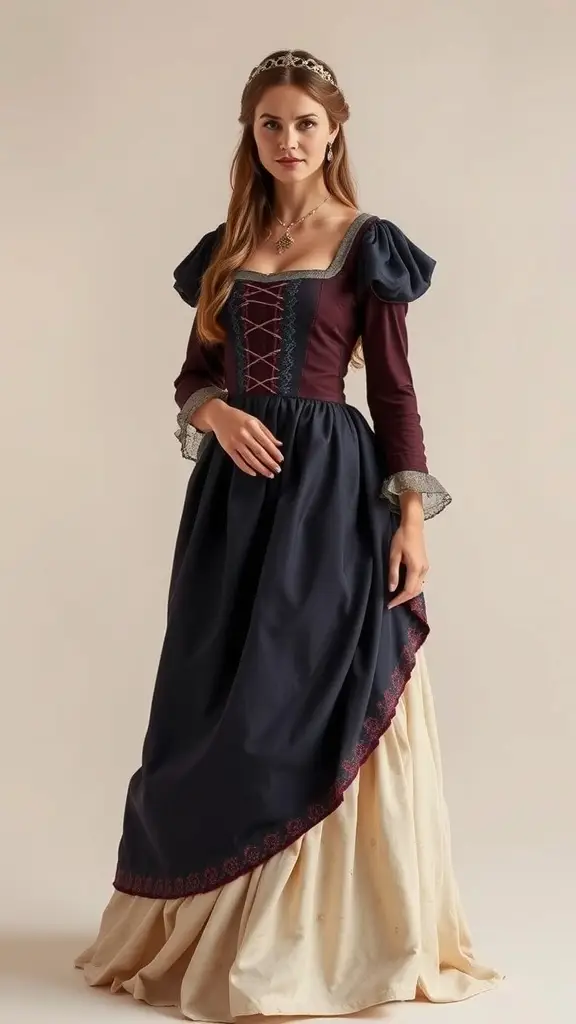
The image showcases a stunning array of dresses fit for a Medieval Princess. Each dress features unique styles, colors, and fabrics that reflect the seasonal variations in fashion during that era.
In spring, lighter fabrics like silk and cotton were popular, often adorned with floral embroidery. The dress in the center, with its flowing sleeves and delicate patterns, could easily be imagined in a vibrant garden setting.
Summer brought brighter colors and shorter sleeves. The deep red and blue dresses on the left hint at the lively hues favored during warmer months. These dresses were often made from breathable materials to keep cool.
As autumn approached, richer, darker tones became fashionable. The warm orange dress on the right captures this seasonal shift perfectly, showcasing velvet textures that added warmth and elegance.
Winter styles leaned towards heavier fabrics, with layers and intricate detailing. The cream dress in the middle, with its regal silhouette, is a perfect example of how Medieval Princesses would dress for colder months, combining beauty with practicality.
Historical Color Significance
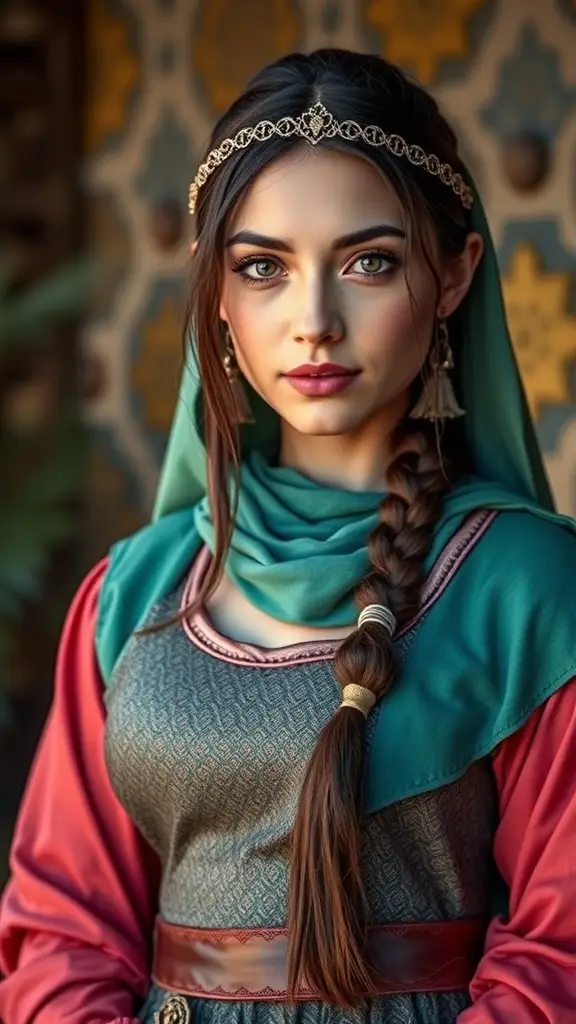
The colors worn by a Medieval Princess were not just for show; they held deep meanings. Each hue conveyed messages about status, wealth, and even personality. The vibrant reds and rich purples often indicated nobility. These shades were hard to produce, making them exclusive to the upper class.
In the image, you can see a variety of colors that reflect this significance. The deep reds and oranges suggest warmth and power, while the softer tones like beige and cream represent purity and elegance. The choice of color could also hint at the season or occasion, adding another layer of meaning.
For a Medieval Princess, wearing the right color was essential. It was a way to express identity and align with the expectations of royalty. The intricate embroidery and velvet fabrics further enhanced the royal appearance, making each dress a statement piece.
Gowns for Ceremonial Occasions
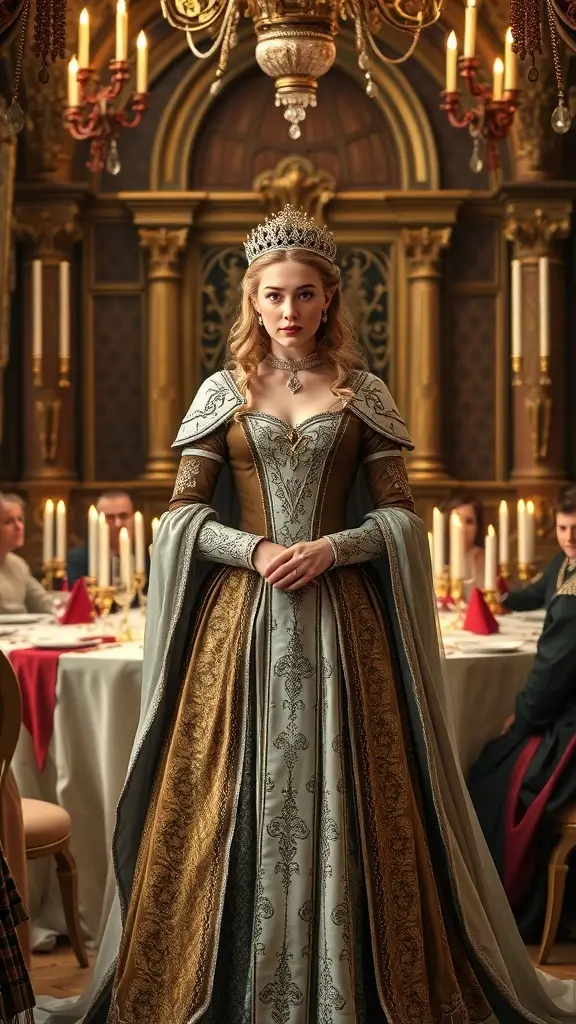
When we think of a Medieval Princess, the image of stunning gowns comes to mind. These dresses were often crafted with intricate embroidery and luxurious velvet fabrics, making them perfect for ceremonial occasions.
The gown in the image showcases a beautiful blend of colors and textures. The elegant silhouette is complemented by a regal cape, adding to the overall majestic appearance. The embroidery details on the bodice and sleeves highlight the craftsmanship of the era.
Such gowns were not just about looks; they symbolized status and power. A Medieval Princess would wear these dresses during important events, like royal banquets or ceremonies, where every detail mattered.
The rich fabrics and elaborate designs were meant to impress, showcasing the wealth and influence of the wearer. Each gown told a story of its own, reflecting the culture and artistry of the time.
Symbolism in Embroidery
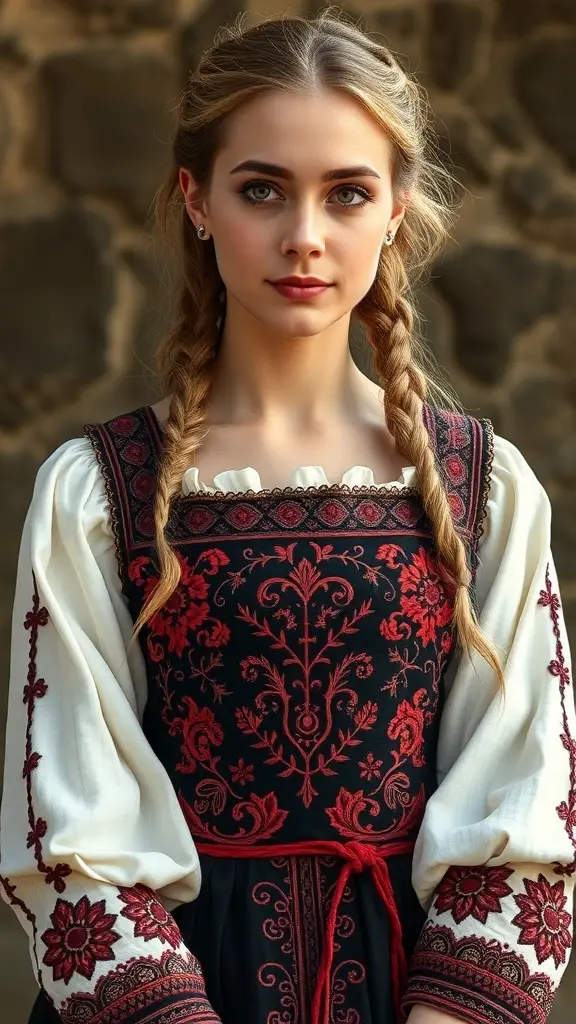
The image showcases a stunning array of embroidery that reflects the artistry of the medieval period. Each stitch tells a story, capturing the essence of a Medieval Princess’s attire. The intricate designs, featuring crowns, floral motifs, and geometric patterns, symbolize not just beauty but also power and status.
In medieval times, embroidery was more than just decoration. It often represented family lineage, religious beliefs, and personal achievements. For a Medieval Princess, the symbols woven into her garments could signify her royal heritage or alliances. The use of rich colors and luxurious fabrics like velvet added to the overall significance, making each piece a statement of identity.
Every element in the embroidery had meaning. For instance, flowers might represent purity or love, while crowns could symbolize authority. This attention to detail made the garments not only visually appealing but also deeply meaningful. The artistry of embroidery allowed a Medieval Princess to express her individuality while adhering to the traditions of her time.
Detailed Hemlines
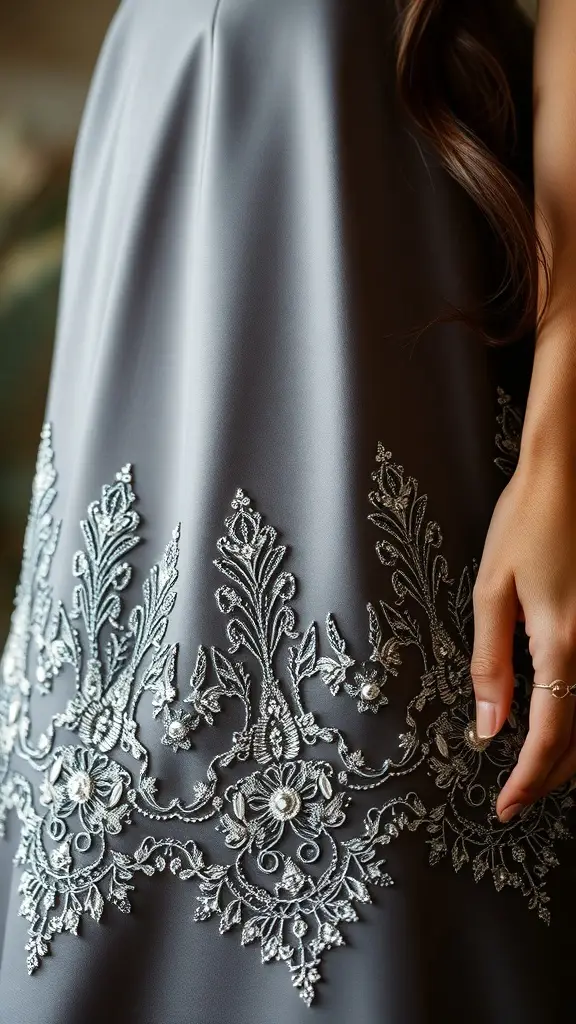
The hemlines of medieval dresses tell a story of elegance and craftsmanship. In the image, we see a stunning example of how a hem can transform a garment. The delicate embroidery at the bottom adds a touch of artistry, making it a focal point.
Medieval princesses often wore dresses that flowed gracefully to the ground. The hemline in this dress is not just straight; it has layers and curves that enhance its regal silhouette. The intricate patterns and colors in the embroidery reflect the status and wealth of the wearer.
Velvet fabrics were popular during this time, and they drape beautifully, creating a luxurious look. The hemline can also be a place for personal expression, with different styles and embellishments showcasing individuality. This particular design combines floral motifs with rich colors, making it visually striking.
Overall, the hemline is more than just a finishing touch; it plays a significant role in the overall aesthetic of a medieval princess’s dress. Each stitch and design element contributes to the story of elegance and nobility.
Princess in Nature
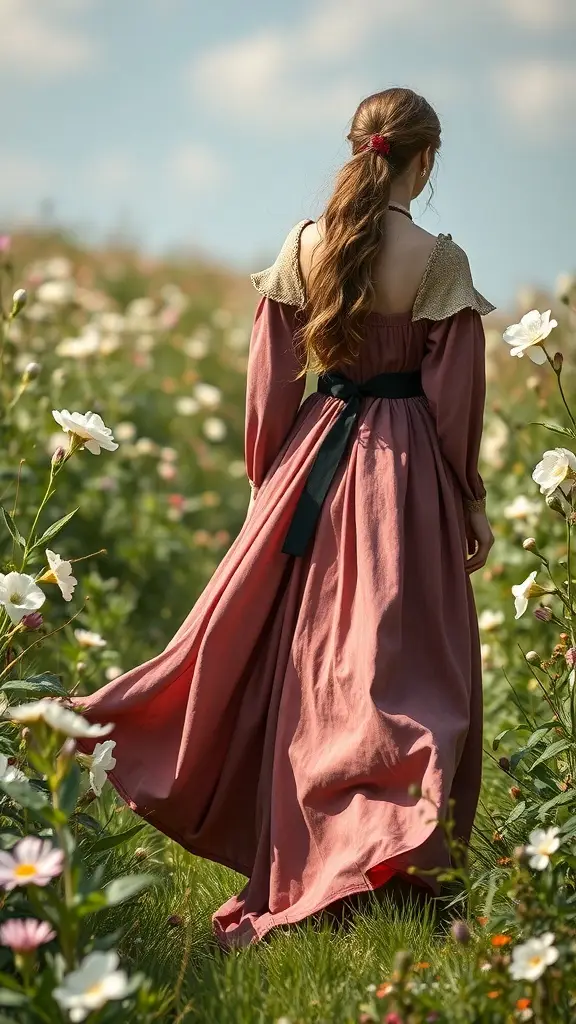
Imagine a Medieval Princess wandering through a vibrant field, surrounded by blooming flowers. The soft breeze gently lifts the hem of her flowing dress, revealing the elegance of her attire. The dress, made from rich velvet, features intricate embroidery that tells stories of her royal lineage.
The color of the gown, a soft rose, complements the natural beauty around her. The delicate details on the sleeves and the cinched waist enhance her regal silhouette. A simple black ribbon ties the look together, adding a touch of modern flair to a classic design.
As she strolls through the blossoms, the sunlight dances on her hair, creating a magical atmosphere. This scene captures the essence of a Medieval Princess, blending the beauty of nature with the grace of royal fashion. It’s a reminder of how elegance can thrive even in the simplest of settings.
The Importance of Fit
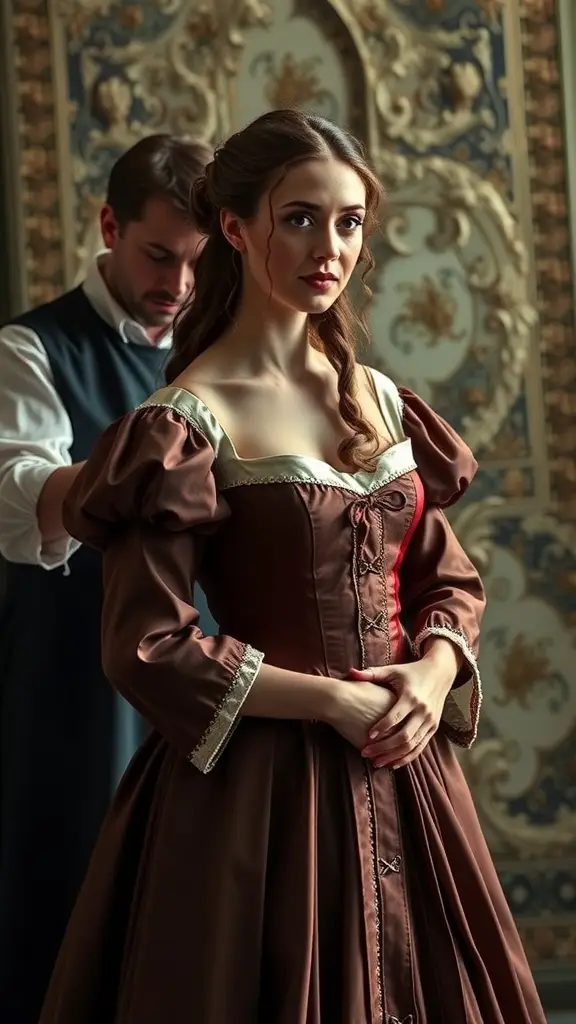
When it comes to the attire of a Medieval Princess, fit is everything. A well-fitted dress not only enhances the beauty of the intricate embroidery and luxurious velvet but also allows the wearer to move with grace. The silhouette of the dress plays a key role in how it drapes and flows, making the princess feel regal.
In the image, we see a dress being tailored, highlighting the attention to detail that goes into achieving the perfect fit. The person adjusting the dress shows how important it is to ensure that every seam and curve complements the body. This meticulous process is what transforms a simple garment into a stunning piece worthy of royalty.
Moreover, a dress that fits well can boost confidence. A Medieval Princess would want to feel comfortable and elegant at all times. The right fit allows for ease of movement, whether she’s dancing at a ball or walking through the castle halls. It’s all about feeling like the queen she is!
Gowns for Different Classes
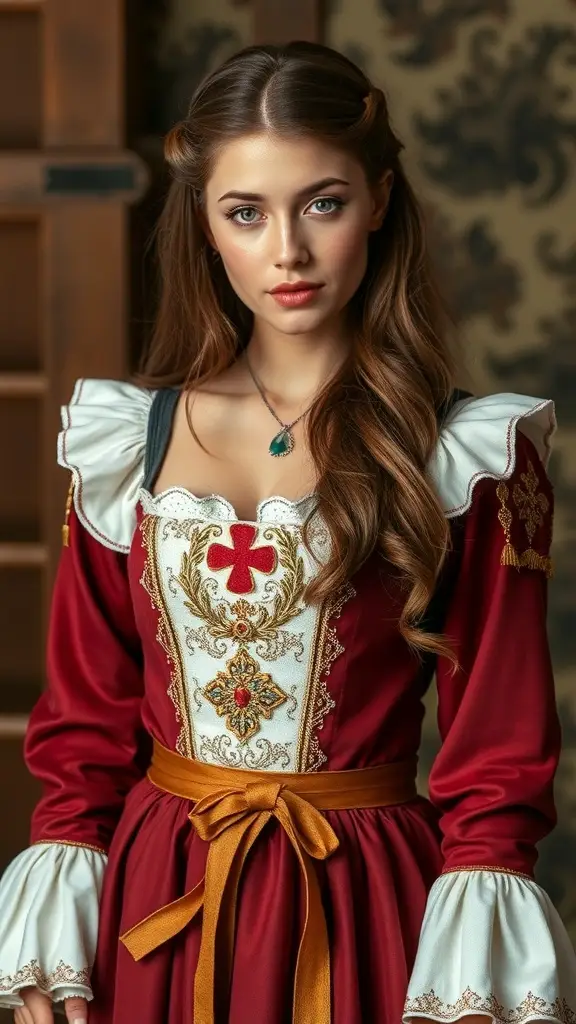
In the medieval era, gowns varied greatly depending on social status. The image showcases two stunning dresses that reflect the elegance of a Medieval Princess. Each gown features rich fabrics and detailed embroidery, highlighting the craftsmanship of the time.
The gown on the left is a deep green, adorned with delicate stitching. This style might represent the attire of a noblewoman, showcasing both beauty and modesty. The fitted bodice and flowing sleeves give it a graceful silhouette.
On the right, the red gown stands out with its vibrant color and intricate gold embroidery. This dress likely belonged to someone of higher status, perhaps a princess herself. The wide sleeves and decorative belt add to its regal appearance, making it perfect for royal gatherings.
These gowns not only reflect the fashion of the time but also the social hierarchy. While both dresses are beautiful, they tell different stories about the women who wore them. A Medieval Princess would have certainly made a statement in such exquisite attire.
Artisan Craftsmanship
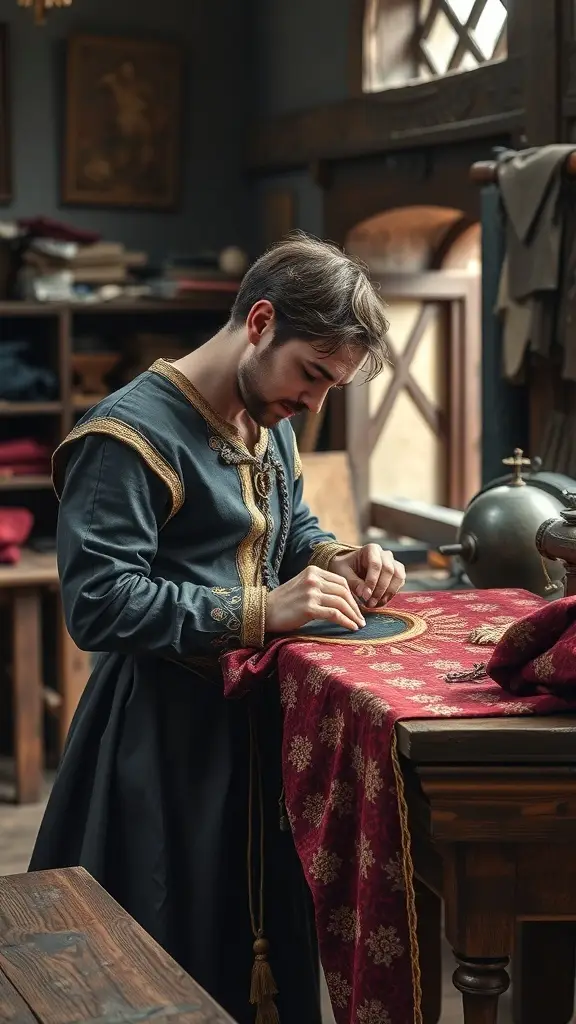
The image captures a skilled artisan deeply focused on his work. He is dressed in a traditional outfit, which hints at the medieval era. His hands are busy with intricate embroidery on a rich, red fabric. This scene beautifully illustrates the dedication and precision involved in creating garments fit for a Medieval Princess.
Embroidery was not just decoration; it told stories and displayed status. The use of velvet and detailed stitching added layers of luxury to the dresses. Each piece was unique, reflecting the artisan’s skill and the wearer’s identity. The craftsmanship involved in these creations was a blend of artistry and labor, making each dress a true masterpiece.
In a world where fashion was a symbol of power, the ability to create such stunning pieces was highly respected. The artisan’s workroom, filled with various fabrics and tools, serves as a reminder of the rich tradition of textile arts in the medieval period. The craftsmanship behind these dresses continues to inspire modern fashion, reminding us of the beauty of handmade artistry.
Fabric Care and Maintenance
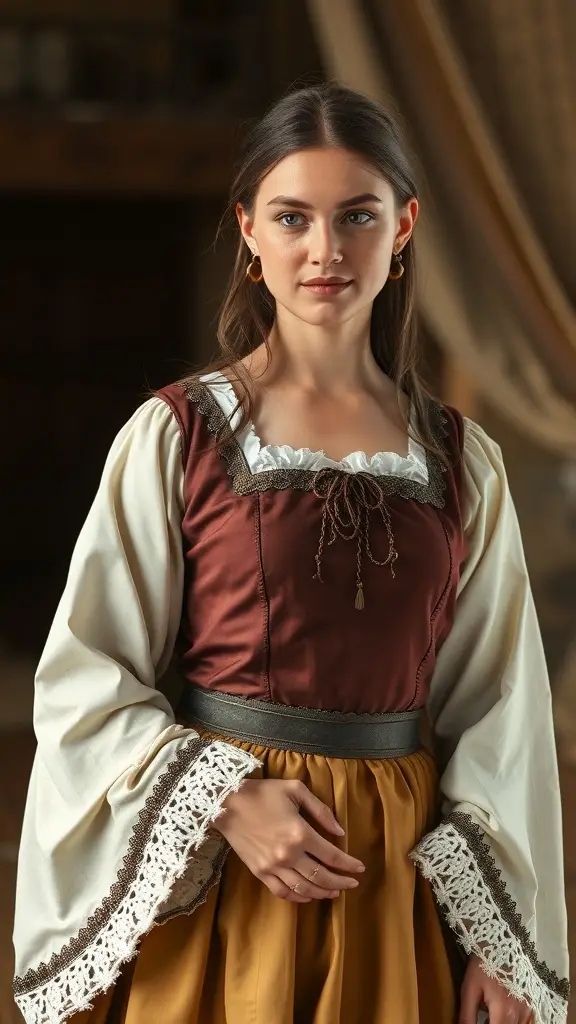
Caring for a Medieval Princess dress requires attention to detail. The intricate embroidery and rich velvet fabrics are not just beautiful; they also need proper maintenance to last. Start by checking the care label if available. Hand washing in cold water is often best for delicate fabrics. Avoid harsh detergents that can fade colors or damage the embroidery. Instead, opt for gentle, fabric-friendly cleaners. When drying, lay the dress flat or hang it in a shaded area to prevent sun damage. Ironing should be done on a low setting, and always place a cloth between the iron and the fabric to protect those lovely details. Regularly inspect for any loose threads or signs of wear, and address them promptly to keep your Medieval Princess attire looking regal for years to come.
Cultural Festivals and Fairs
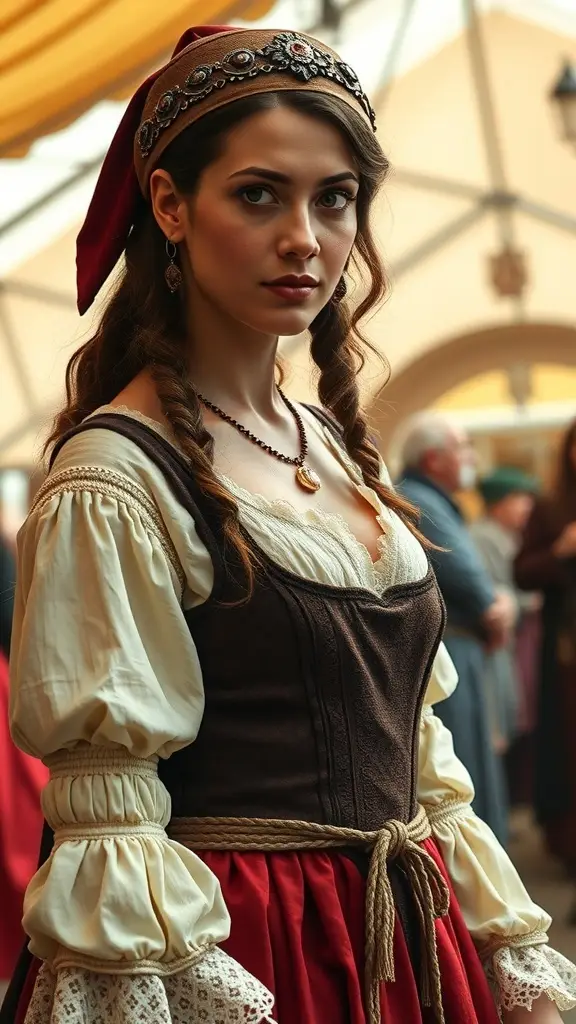
At cultural festivals and fairs, the spirit of the Medieval Princess comes alive. Imagine a scene filled with vibrant colors and rich textures. The dresses, adorned with intricate embroidery and made from luxurious velvet fabrics, are truly eye-catching. Each gown tells a story, reflecting the elegance of a bygone era.
As you walk through the fair, you can spot many people dressed in these regal silhouettes. The atmosphere buzzes with excitement as performers and attendees embrace the charm of medieval times. The soft glow of chandeliers and warm lanterns adds to the enchanting feel, making it a perfect backdrop for a celebration.
These events often feature activities like dance performances, storytelling, and artisan markets. You can find stalls showcasing handmade crafts, where artisans demonstrate their skills. It’s a wonderful way to connect with history and culture while enjoying the beauty of the Medieval Princess aesthetic.
Gowns for Dance and Movement
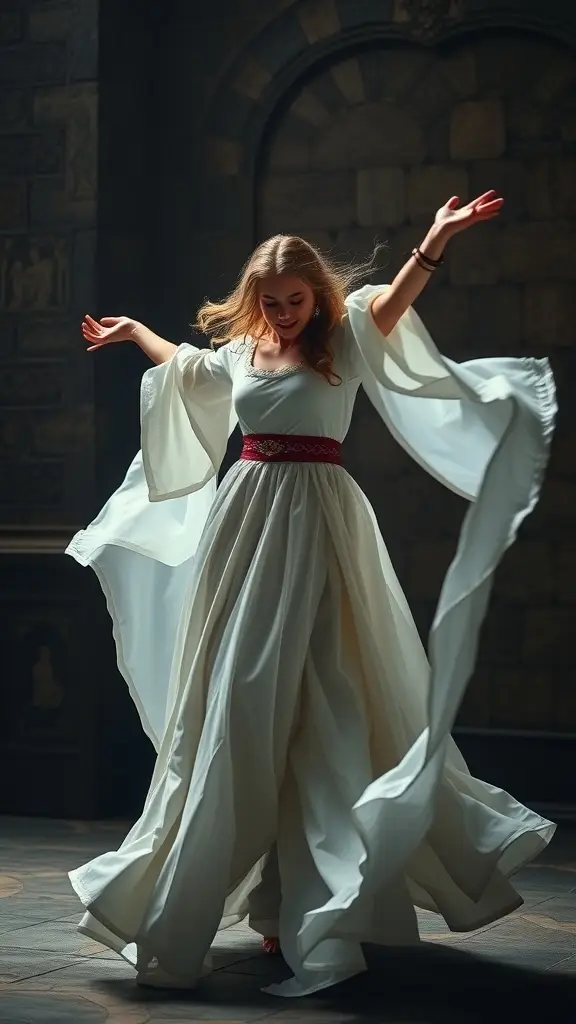
When you think of a Medieval Princess, the image of flowing gowns comes to mind. These dresses are not just beautiful; they are designed for movement. The gown in the image showcases a lovely white fabric that sways gracefully as the wearer dances.
The wide sleeves and flowing skirt allow for freedom of movement, making it perfect for twirling and spinning. The addition of a vibrant belt adds a touch of color and accentuates the waist, enhancing the overall silhouette.
In medieval times, such gowns were often worn during celebrations and dances, allowing princesses to express joy and elegance. The fabric’s lightness means it can catch the air beautifully, creating a stunning visual effect as the wearer moves.
Overall, these gowns are a perfect blend of style and functionality, embodying the spirit of a Medieval Princess while ensuring comfort and grace during dance.
Influence of Royalty
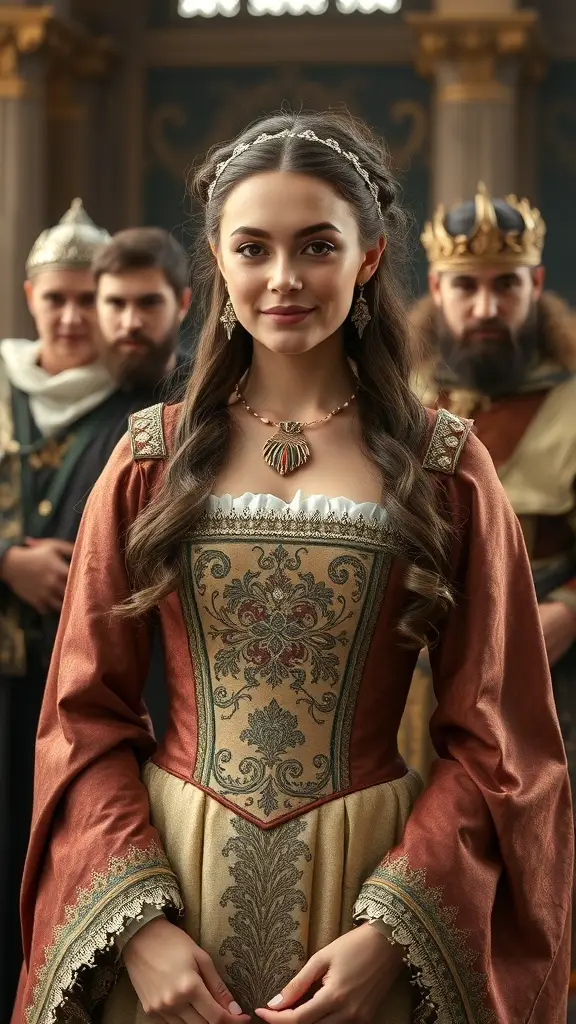
The image captures a striking scene featuring a Medieval Princess at the center, adorned in a stunning gown that showcases the elegance of royal fashion. Her dress, rich in velvet and intricate embroidery, reflects the opulence associated with nobility during the medieval period.
Surrounding her are attendants and courtiers, each dressed in garments that complement her regal silhouette. This ensemble highlights how royalty influenced fashion trends, setting standards for beauty and style that trickled down to the common folk.
The use of vibrant colors and luxurious fabrics in the princess’s attire signifies her status and wealth. Such clothing was not just about aesthetics; it represented power and authority. The intricate details in the embroidery tell stories of craftsmanship that were highly valued in medieval society.
In this context, the Medieval Princess stands as a symbol of grace and influence, reminding us how royal figures shaped the fashion landscape of their time. Their choices in clothing inspired generations, leaving a lasting legacy that continues to fascinate us today.
Renaissance Influences
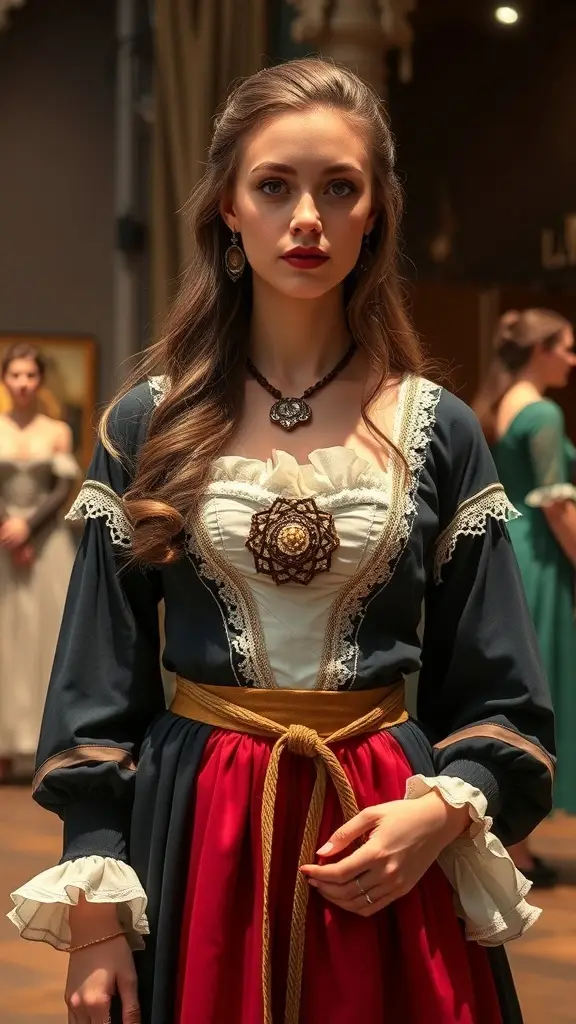
The Renaissance was a time of great change and creativity, and this is clearly reflected in the fashion of the period. The image showcases three women dressed in stunning gowns that highlight the elegance of the era. Each dress features rich fabrics and intricate details, embodying the spirit of a Medieval Princess.
The use of velvet and embroidery in these dresses is a nod to the luxurious materials favored during the Renaissance. The colors are deep and vibrant, which were popular choices for nobility. These gowns not only look beautiful but also tell a story of wealth and status.
The silhouettes of the dresses are regal, with flowing lines that enhance the grace of the wearers. The styles also show how fashion evolved, moving towards more fitted designs that accentuated the waist. Accessories like the headpieces add a final touch of sophistication, completing the look of a true Medieval Princess.
Seasonal Color Trends
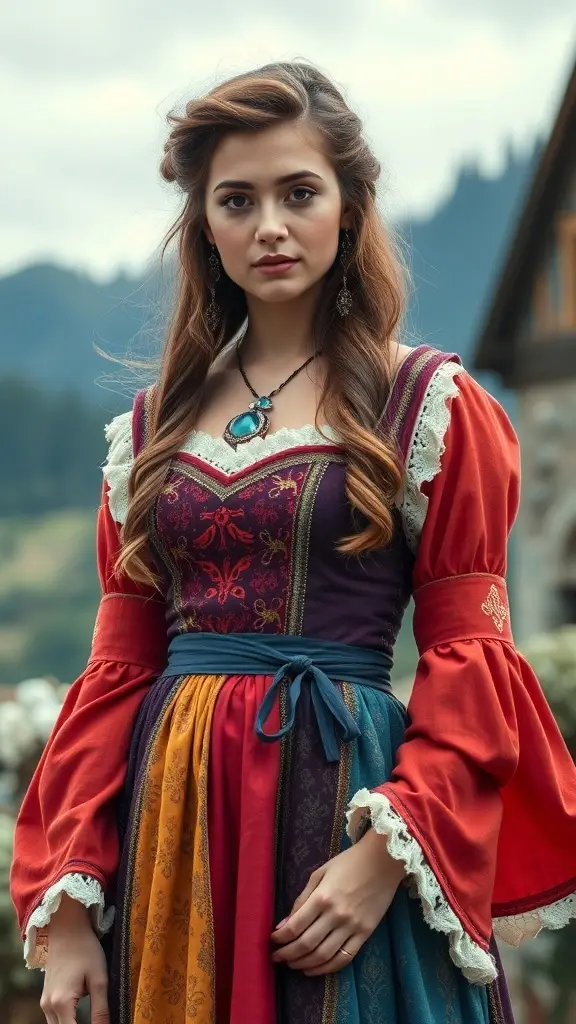
When we think of a Medieval Princess, vibrant colors often come to mind. The dresses worn during this era were not just about the fabric but also the hues that reflected the seasons. In the image, we see two figures dressed in rich, deep colors that evoke a sense of royalty and elegance.
The navy blue dress, adorned with a contrasting red underlayer, captures the essence of winter. This color combination is perfect for colder months, offering warmth and sophistication. On the other hand, the green and gold ensemble hints at the freshness of spring, symbolizing renewal and growth.
These seasonal colors were carefully chosen to represent the mood and themes of the time. A Medieval Princess would often wear colors that not only suited the season but also conveyed her status and personality. The use of velvet and intricate embroidery added depth and texture, making each outfit unique.
As we explore seasonal trends, it’s clear that the colors of a Medieval Princess were more than just a fashion statement. They were a reflection of nature, culture, and the royal lifestyle. Whether it’s the deep blues of winter or the lively greens of spring, each color tells a story.
Dresses Across Regions
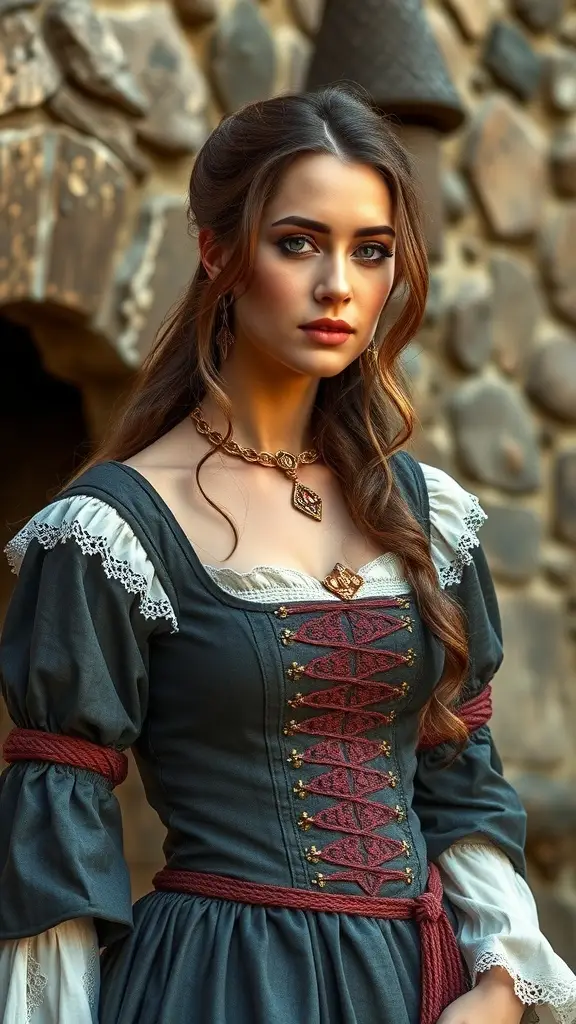
The image showcases a beautiful map with stunning dresses representing different regions. Each dress tells a story of its own, reflecting the unique styles and traditions of the areas they come from.
In the world of a Medieval Princess, clothing was not just about fashion; it was a symbol of status and heritage. The dresses displayed here, with their rich colors and detailed embroidery, highlight the craftsmanship of the time. The dark gown, for example, may represent the elegance of a noblewoman in one region, while the vibrant red dress could signify royalty in another.
Each region had its own distinct style. The map hints at these variations, showing how geography influenced fashion. From the flowing silhouettes of the gowns to the luxurious fabrics like velvet, every detail matters. The dresses are more than just clothing; they are a glimpse into the lives of Medieval Princesses and the cultures they belonged to.
Modern Interpretations
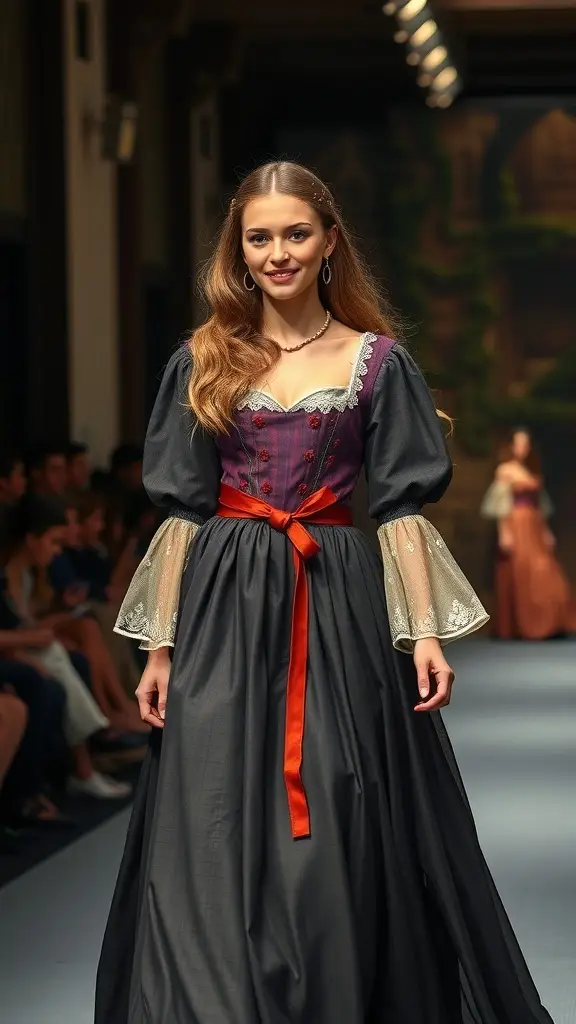
The image showcases stunning modern interpretations of dresses inspired by the Medieval Princess era. Each gown features unique designs that reflect the elegance and grandeur of medieval fashion.
The dress in the center stands out with its rich black velvet fabric and intricate embroidery. This gown captures the essence of royalty, making it perfect for a modern-day princess. The dramatic sleeves and fitted bodice add a contemporary twist to a classic silhouette.
On either side, the other dresses display their own charm. The lighter tones and flowing fabrics evoke a sense of grace. These designs remind us how medieval styles can be reimagined for today’s fashion scene.
Fashion designers draw inspiration from the past, blending historical elements with modern aesthetics. This fusion creates garments that are not only beautiful but also wearable for various occasions. The result is a celebration of the Medieval Princess, redefined for a new generation.
Gown Inspirations from Literature
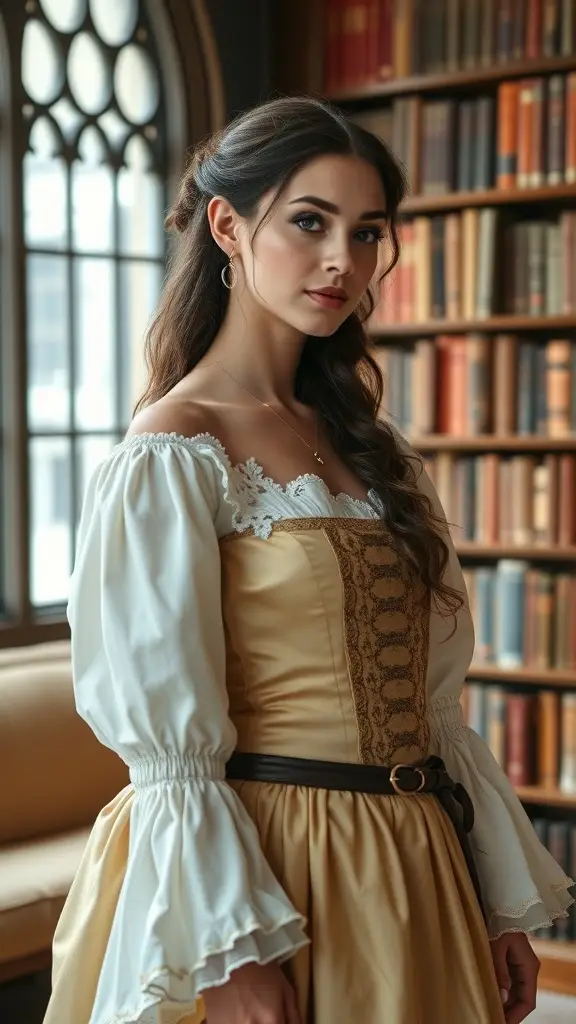
The image showcases a stunning medieval gown that perfectly embodies the essence of a Medieval Princess. The rich black fabric flows gracefully, creating a regal silhouette that captures the eye. Intricate embroidery adorns the dress, adding a touch of elegance and artistry.
In literature, gowns like this often symbolize nobility and grace. Characters dressed in such garments are frequently depicted in tales of romance and valor. The velvet-like texture and detailed design evoke a sense of history, transporting readers to a time of knights and castles.
This gown serves as a reminder of the powerful women in stories who wore similar attire. They faced challenges with courage, often leading their kingdoms with wisdom. The blend of beauty and strength in these characters resonates with the imagery of the dress, making it a perfect inspiration for anyone looking to channel their inner Medieval Princess.
The Evolution of Medieval Fashion
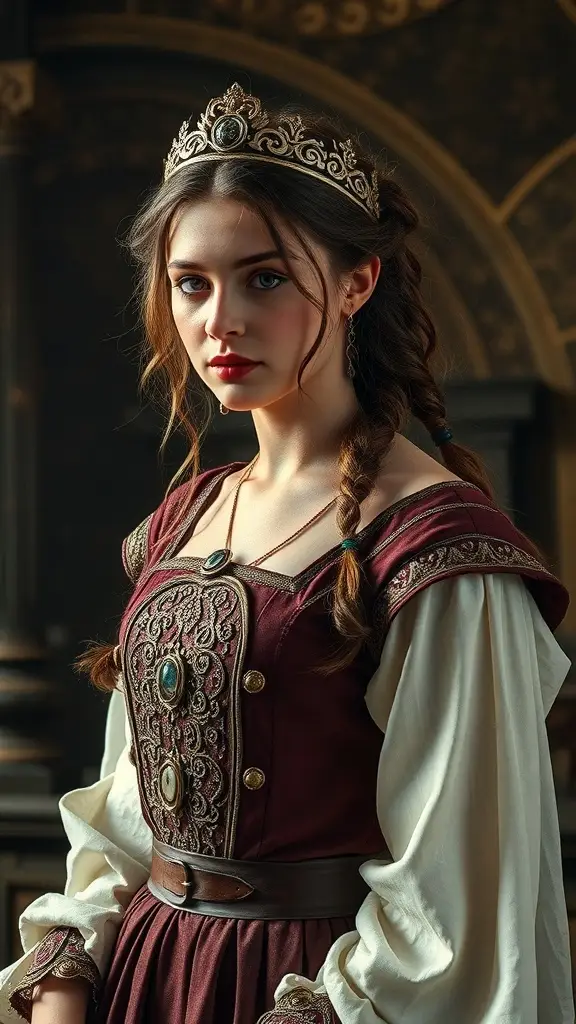
Fashion has always been a reflection of culture and society. The image shows four different styles of dresses worn by a Medieval Princess, spanning from 187 to 2019. Each dress tells a story of its time, showcasing how fashion evolved over the years.
The first dress, from 187, features a simple silhouette and darker colors, hinting at the modesty of that era. As we move to 2010, the dresses become more vibrant and elaborate. The use of velvet fabrics and intricate embroidery starts to shine through, indicating a shift towards more luxurious materials.
By 2019, the style reaches a regal peak. The dress is adorned with delicate details and a flowing silhouette, embodying the essence of a Medieval Princess. The crown adds a final touch of royalty, emphasizing the importance of status in fashion. This evolution reflects not just changes in style but also shifts in societal values and aesthetics.
Princess Portraits
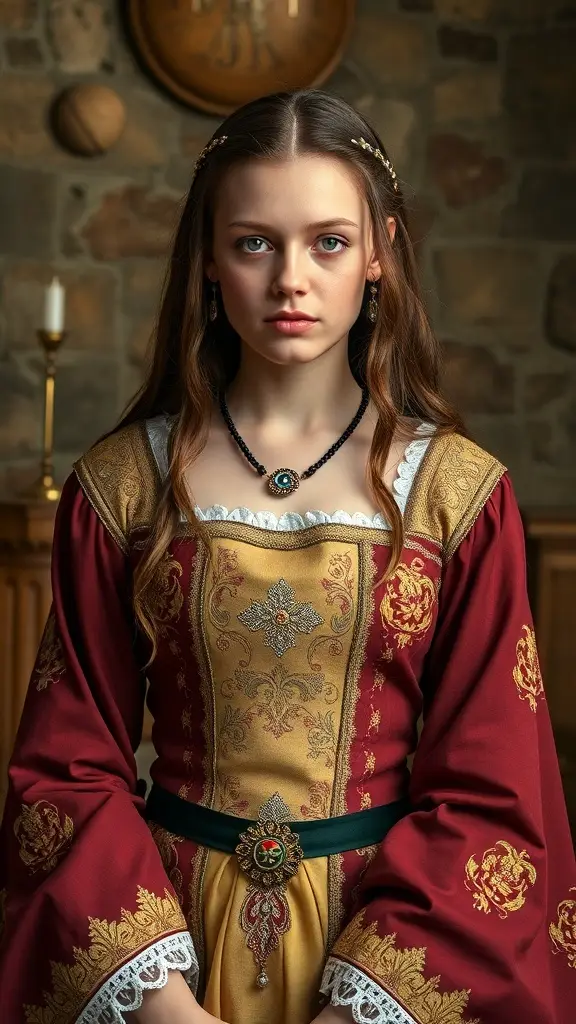
In the world of medieval fashion, the image of a Medieval Princess stands out with grace and elegance. The rich colors of her gown, particularly the deep reds and golds, reflect the royal status she embodies. The intricate embroidery on her dress tells a story of craftsmanship, showcasing the artistry of the time.
The velvet fabric adds a luxurious touch, making the gown not just a piece of clothing but a symbol of nobility. The silhouette of the dress is both flattering and regal, perfectly suited for a princess. Her accessories, including the delicate necklace and earrings, enhance her royal look, completing the portrait of a true noblewoman.
Behind her, the stone wall hints at a castle setting, grounding the image in a historical context. This backdrop adds depth to her character, reminding us of the life she leads within the castle walls. Each detail in this portrait captures the essence of what it meant to be a Medieval Princess, making it a captivating representation of a bygone era.
Gown Construction Techniques
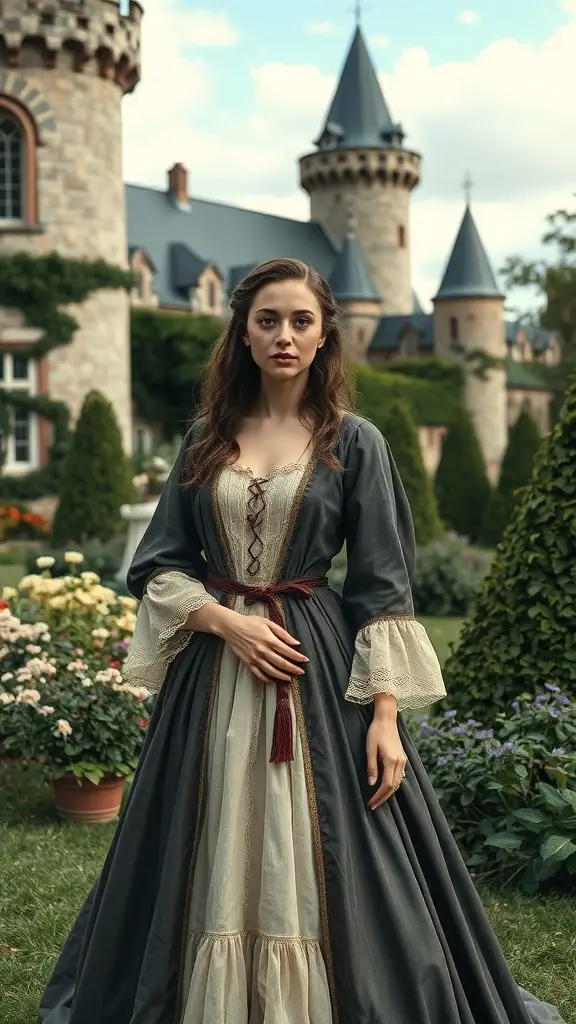
The gown in the image showcases the beauty of Medieval Princess attire. Its soft, muted color and flowing silhouette are perfect for a royal look. The design features a high neckline adorned with delicate lace, which adds a touch of sophistication.
One of the standout elements is the puffed sleeves, which were popular in medieval fashion. These sleeves not only enhance the gown’s elegance but also provide comfort and ease of movement. The cinched waist, highlighted by a contrasting ribbon, creates a flattering shape that emphasizes the wearer’s figure.
Behind the gown, you can see the intricate lacing that helps secure the dress. This method of closure was common in medieval garments, allowing for adjustability and a snug fit. The fabric choice is also significant; velvet and rich cotton were often used to convey status and luxury.
Overall, the construction techniques used in this gown reflect the artistry and craftsmanship of the time. Each detail, from the embroidery to the fabric selection, tells a story of elegance and royal heritage, making it a perfect representation of a Medieval Princess’s wardrobe.
Elegant Footwear
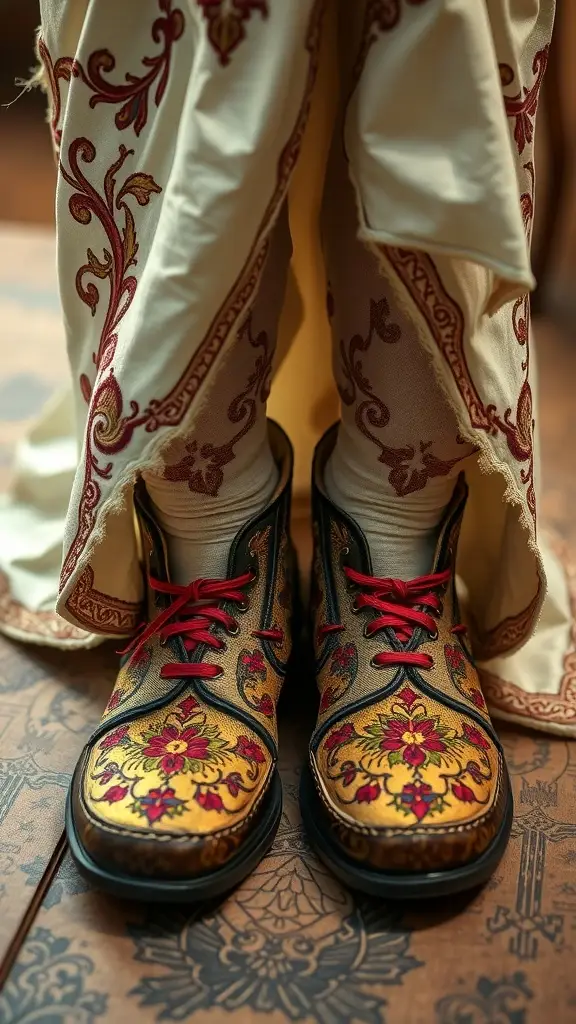
When we think of a Medieval Princess, we often picture stunning gowns adorned with intricate embroidery. Yet, the footwear plays a crucial role in completing this regal look. The shoes worn by these princesses were not just practical; they were a statement of style and status.
The image showcases a pair of beautifully crafted boots, featuring rich colors and detailed designs. The floral patterns and vibrant hues reflect the artistry of the time. These boots are not only functional but also add a touch of elegance to the overall outfit.
In the medieval era, footwear often included laces and unique shapes that complemented the flowing dresses. The combination of velvet fabrics and embroidered details in both the dress and shoes creates a harmonious look. A Medieval Princess would surely choose footwear that matched her royal persona, making her stand out in any gathering.
The Magic of Accessories
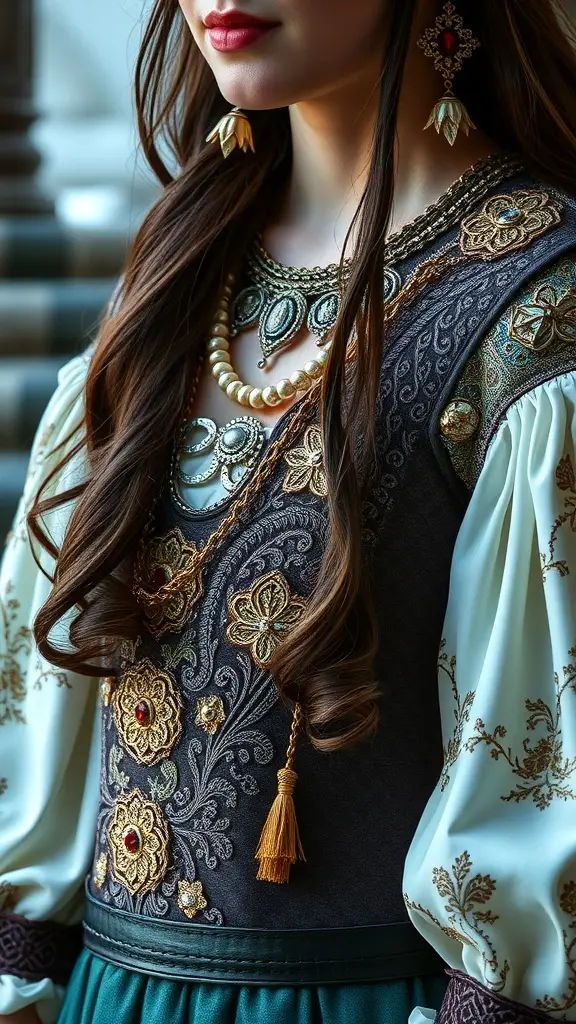
Accessories play a vital role in completing the look of a Medieval Princess. They add a touch of elegance and sophistication that transforms a beautiful dress into a stunning ensemble. In the image, you can see how intricate jewelry complements the rich fabrics and detailed embroidery of the dress.
The layered necklaces, adorned with pearls and gemstones, catch the light beautifully. They draw attention to the neckline, enhancing the overall regal appearance. The earrings, with their delicate designs, frame the face and add a hint of sparkle.
Each accessory tells a story, reflecting the status and personality of the wearer. The tassel hanging from the dress adds a playful element, while the ornate patterns on the fabric showcase the craftsmanship of the time. Together, these elements create a magical look that embodies the essence of a Medieval Princess.
The Role of Embroidery in Status
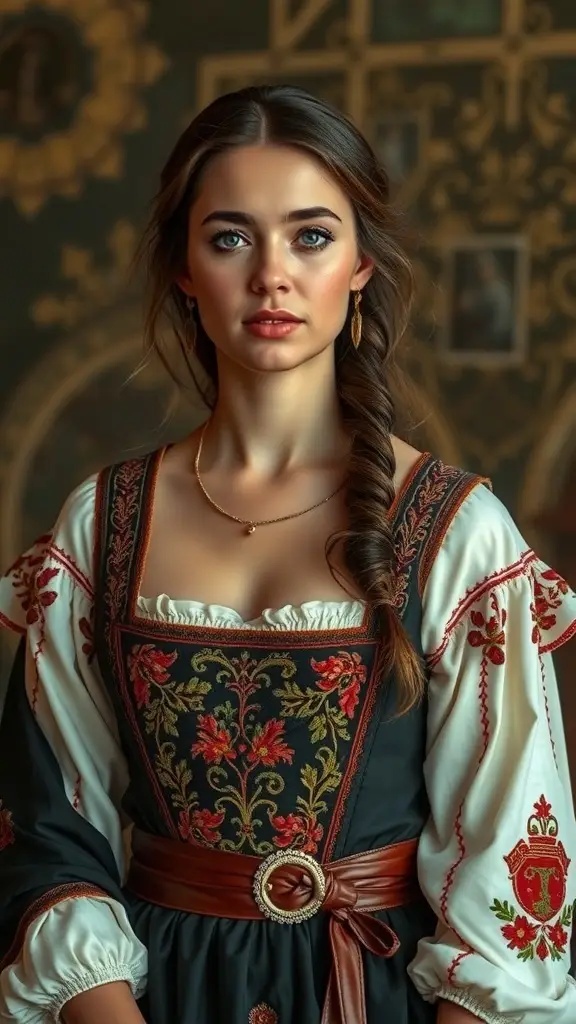
Embroidery played a key role in showcasing the status of a Medieval Princess. The intricate designs often told stories or represented family lineage, making them more than just decoration.
In the image, we see a figure dressed in a richly embroidered outfit. The vibrant colors and detailed patterns highlight their importance. Such garments were not easily accessible to everyone, reflecting a clear social hierarchy.
Royalty often wore velvet fabrics adorned with gold or silver thread. This added a luxurious touch that set them apart from common folk. The skill of the embroiderer was highly valued, as their work could elevate a simple dress into a statement of power and prestige.
Overall, embroidery was not just an art form; it was a symbol of wealth and status in the medieval era. A Medieval Princess adorned in such garments would undoubtedly turn heads, commanding respect and admiration wherever she went.
Embroidered Accessories
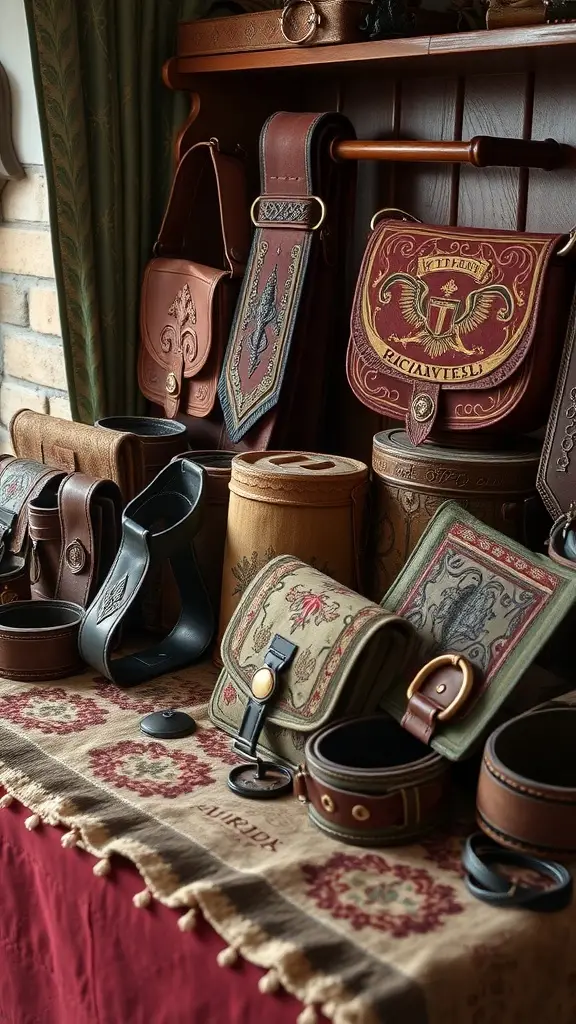
When we think of a Medieval Princess, accessories play a key role in completing the look. The image showcases a stunning array of embroidered bags and belts, each piece telling its own story. The rich colors and detailed designs reflect the craftsmanship of the time.
These accessories were not just for decoration; they served practical purposes too. The bags were often used to carry small items, while the belts helped to cinch the flowing dresses. The intricate embroidery adds a touch of elegance, making each piece unique.
Imagine a Medieval Princess adorned with these beautiful accessories, walking through a grand hall. The way the light catches the embroidery would surely turn heads. Each item is a blend of artistry and utility, perfectly suited for royal attire.
You may also like:
– 17 Glamorous Makeup Ideas Inspired by the Roaring 1920s
– 18 Retro Men’s Casual Fashion Ideas Inspired by the 1960s
– 24 Stunning Evening Dresses Inspired by Game of Thrones
If you enjoyed this blog you can visit us or check out our other blogs and learn a bit about us.
Disclaimer: This blog post is inspired by fictional universes and characters created by their respective rights holders. All related content and imagery remain the property of their respective rights holder. This fan-inspired content is for entertainment and commentary purposes only and is not affiliated with or endorsed by HBO, Disney, Warner Bros., Lionsgate, or any other rights holders. To explore the official source material, please visit:
HBO